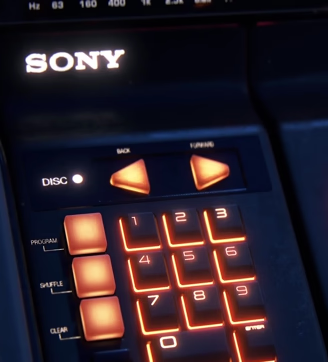
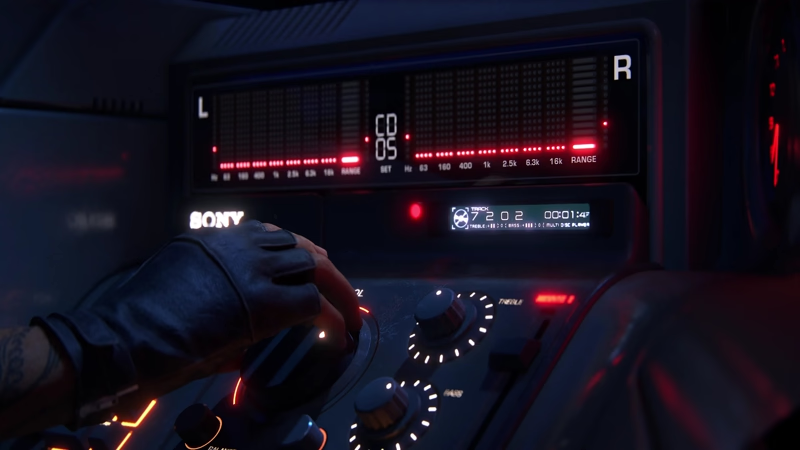
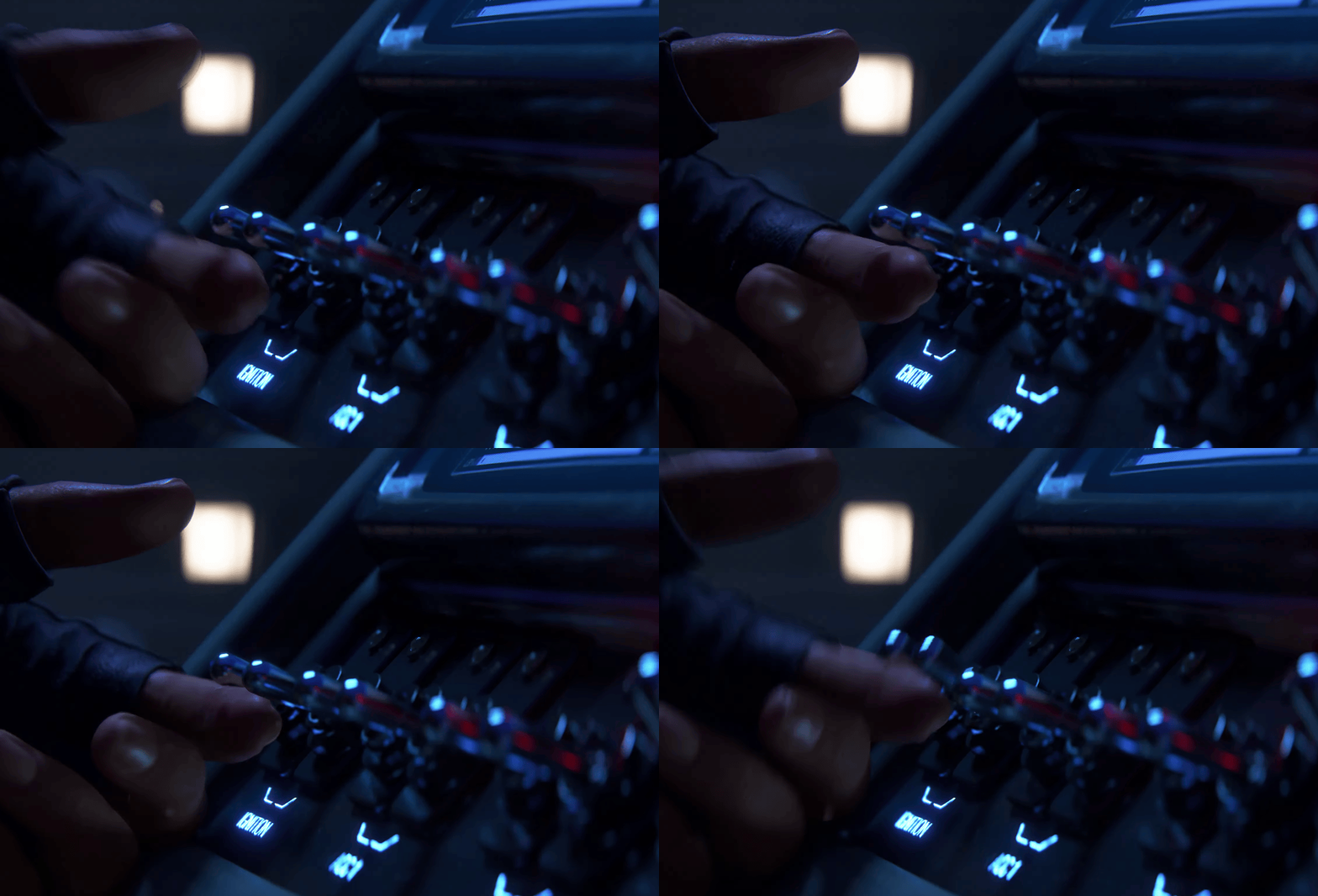
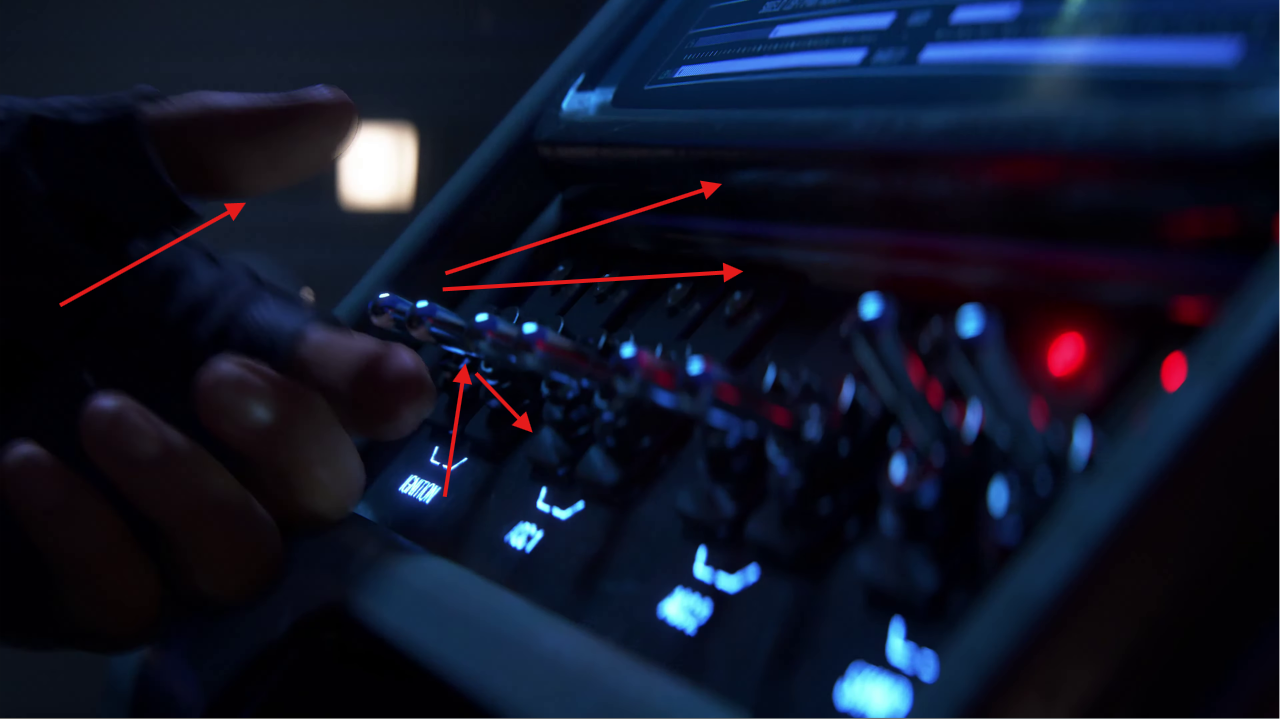
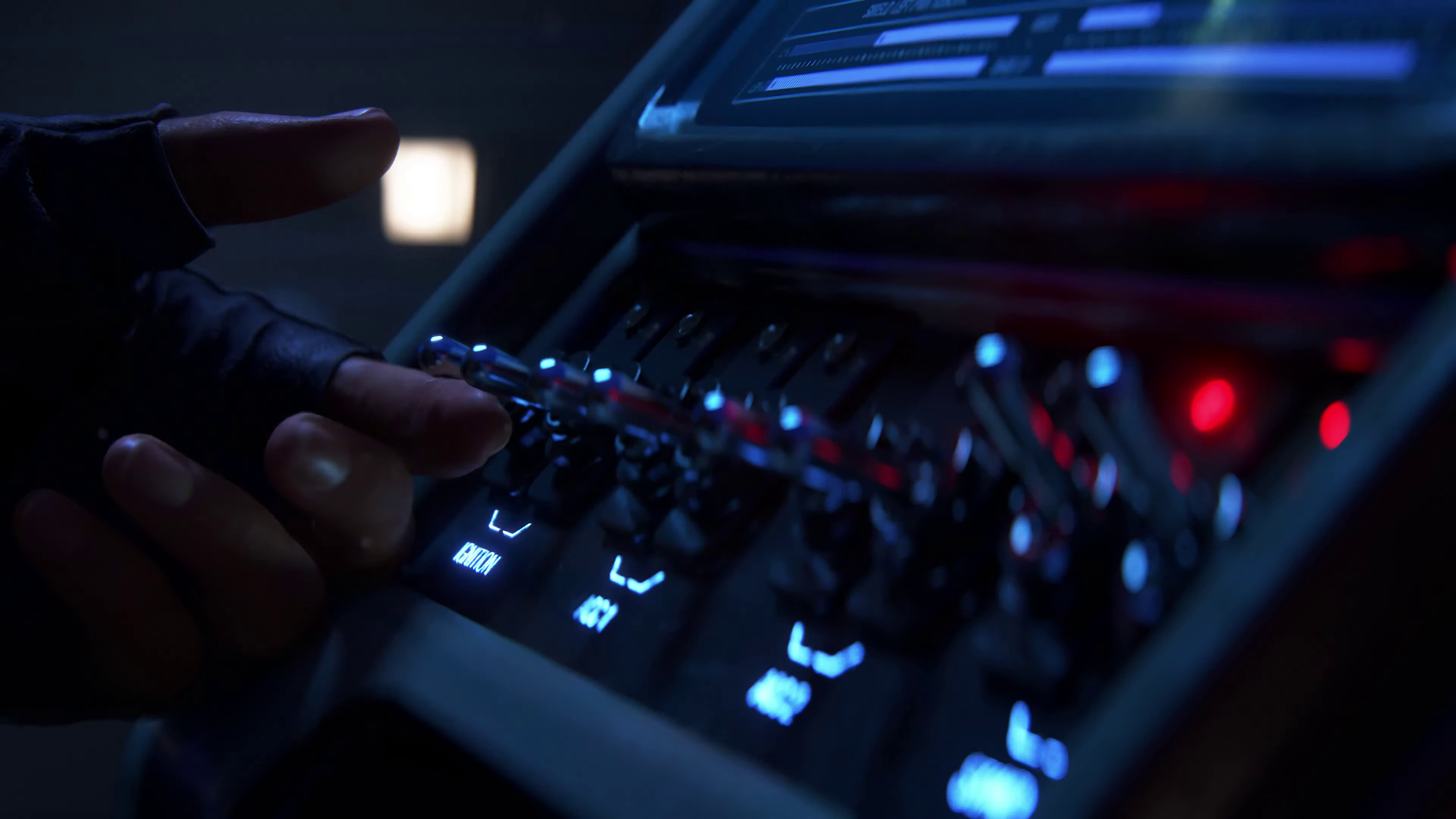
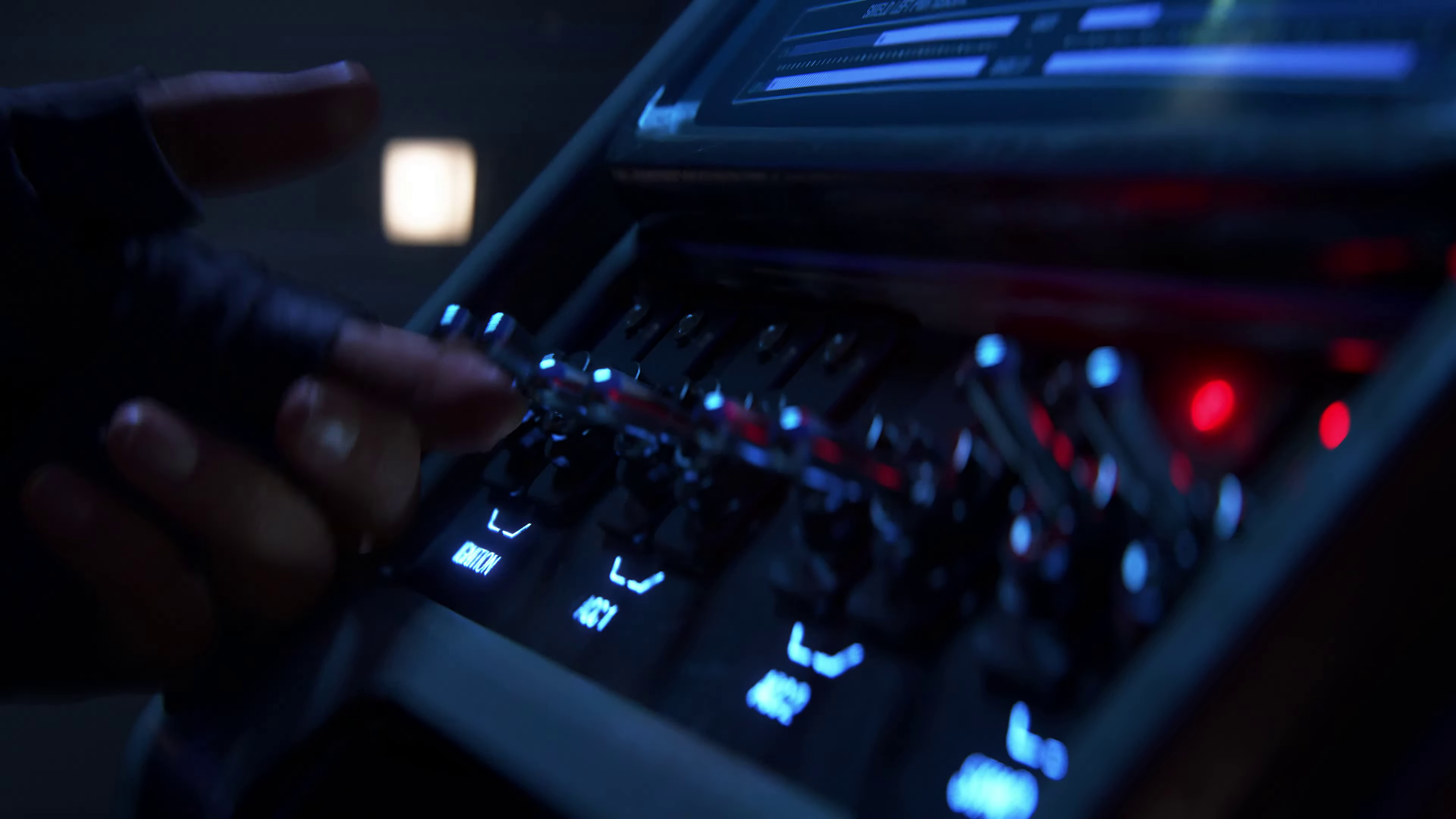
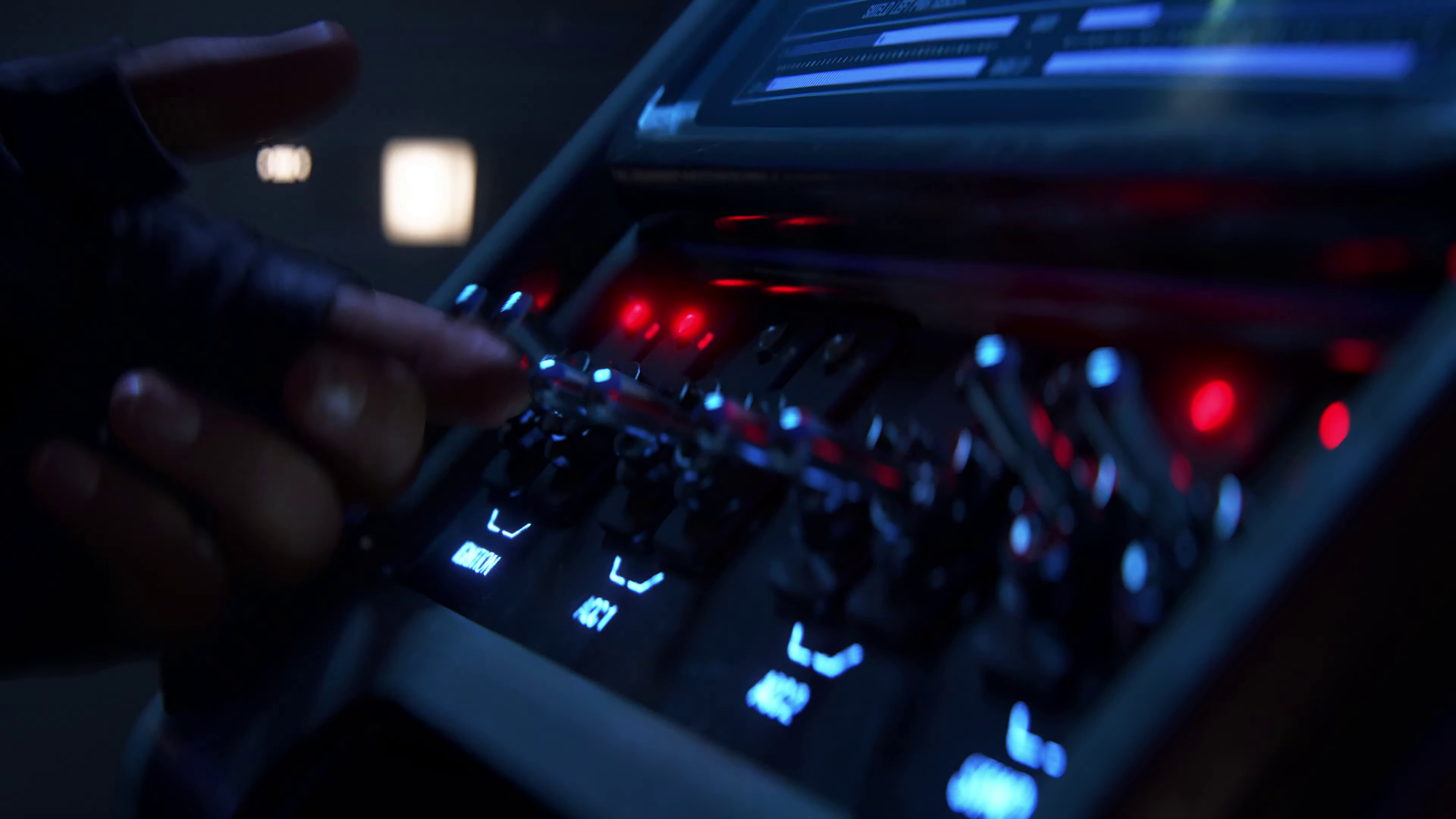
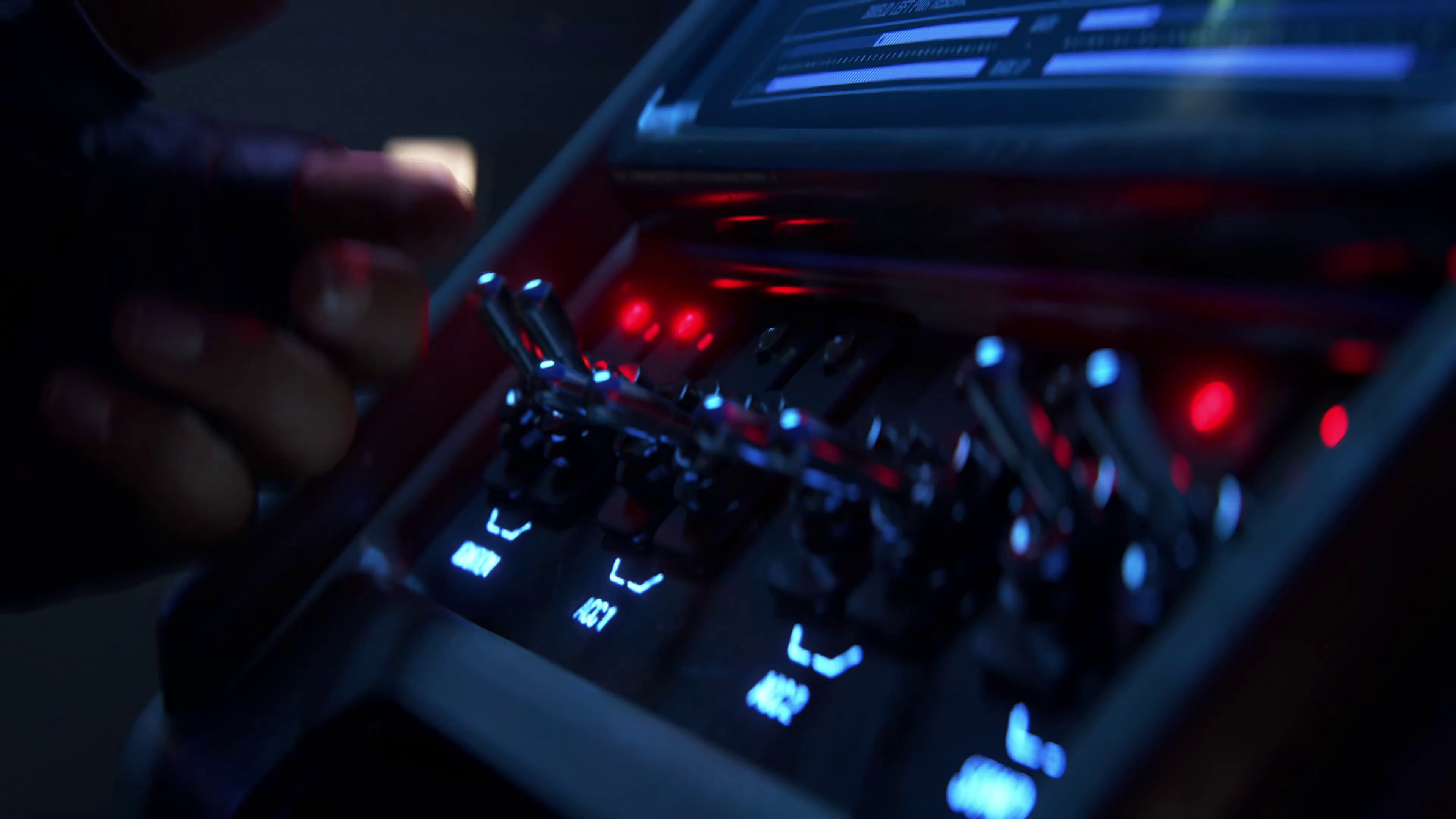
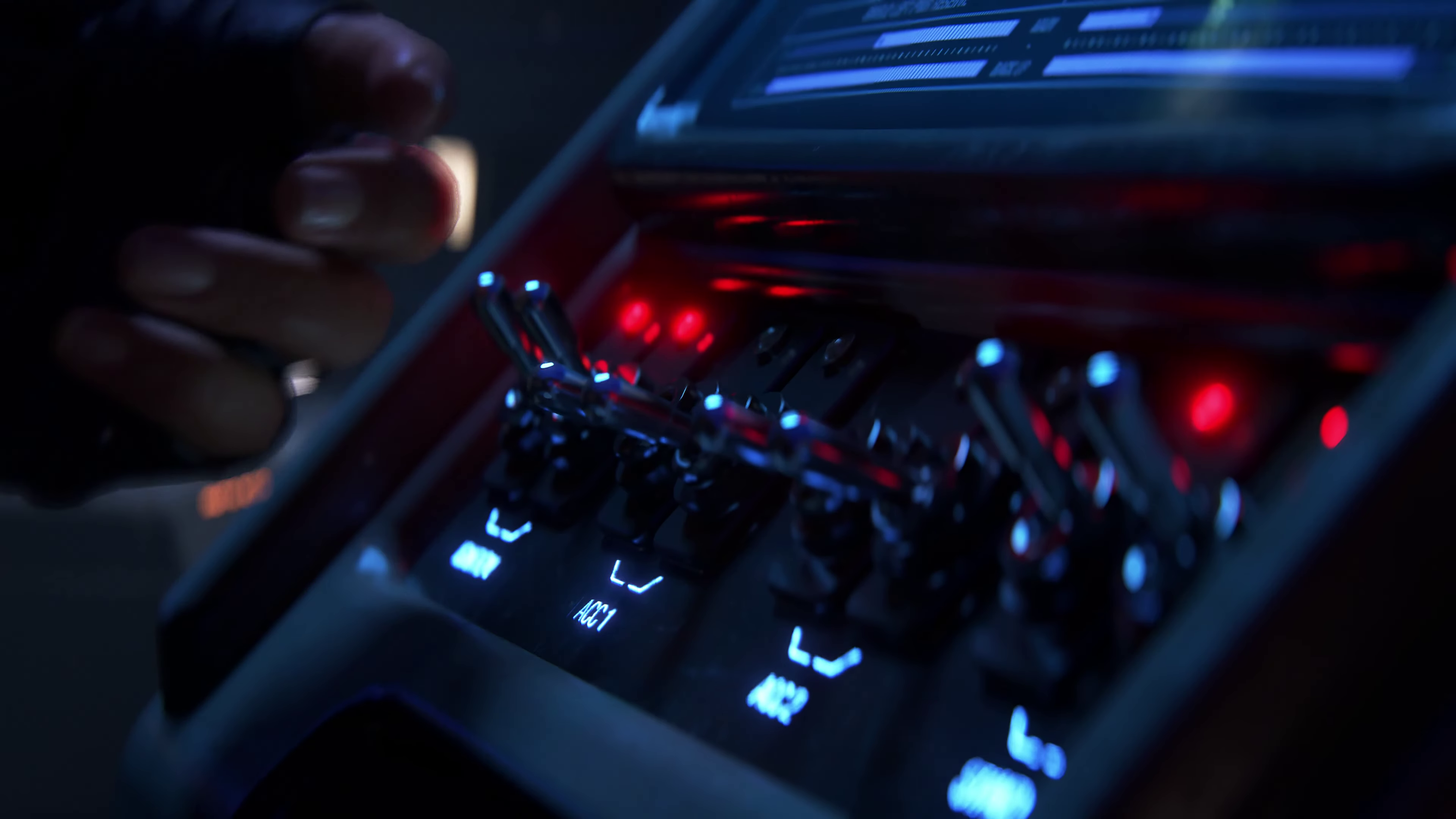
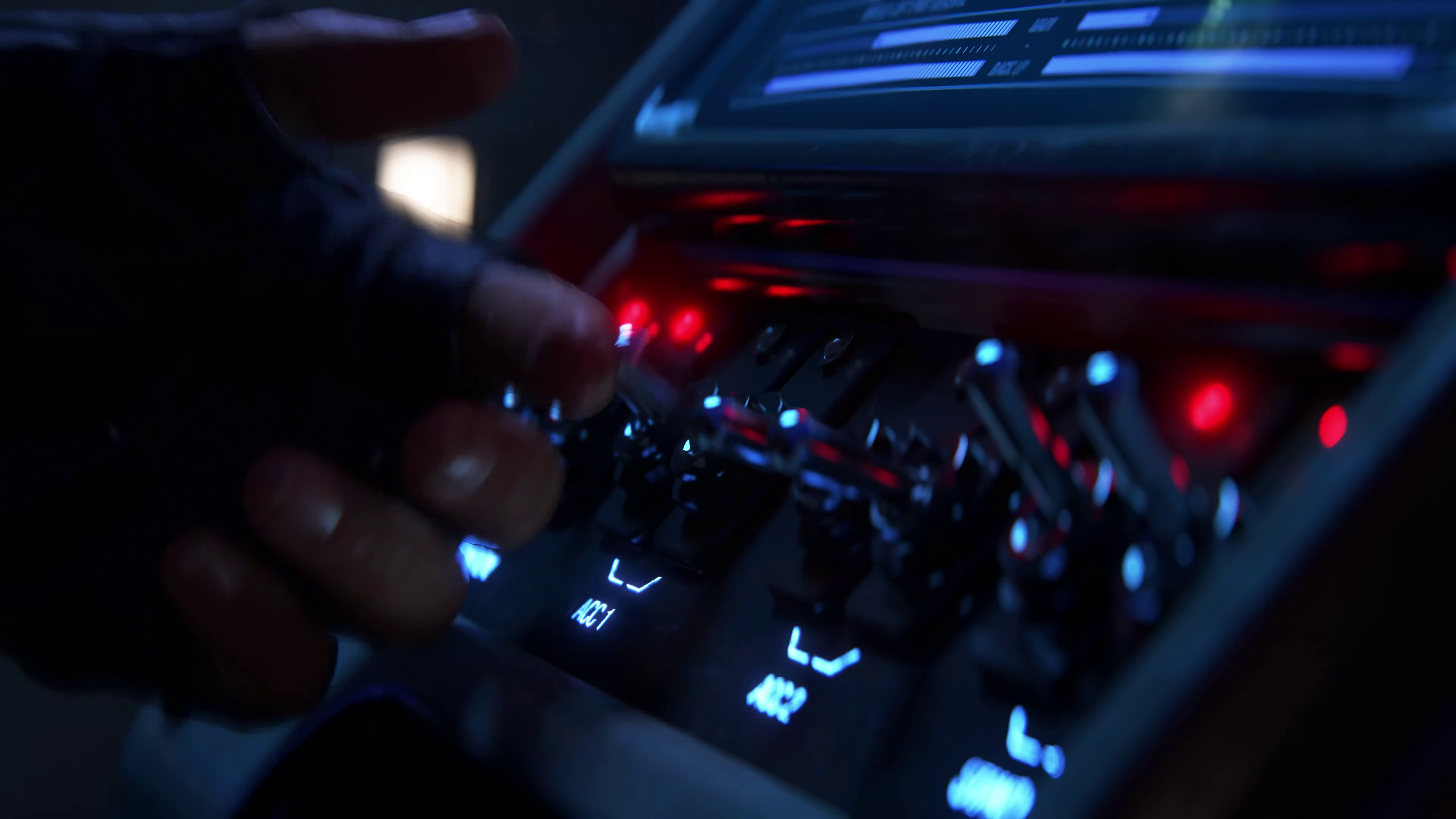
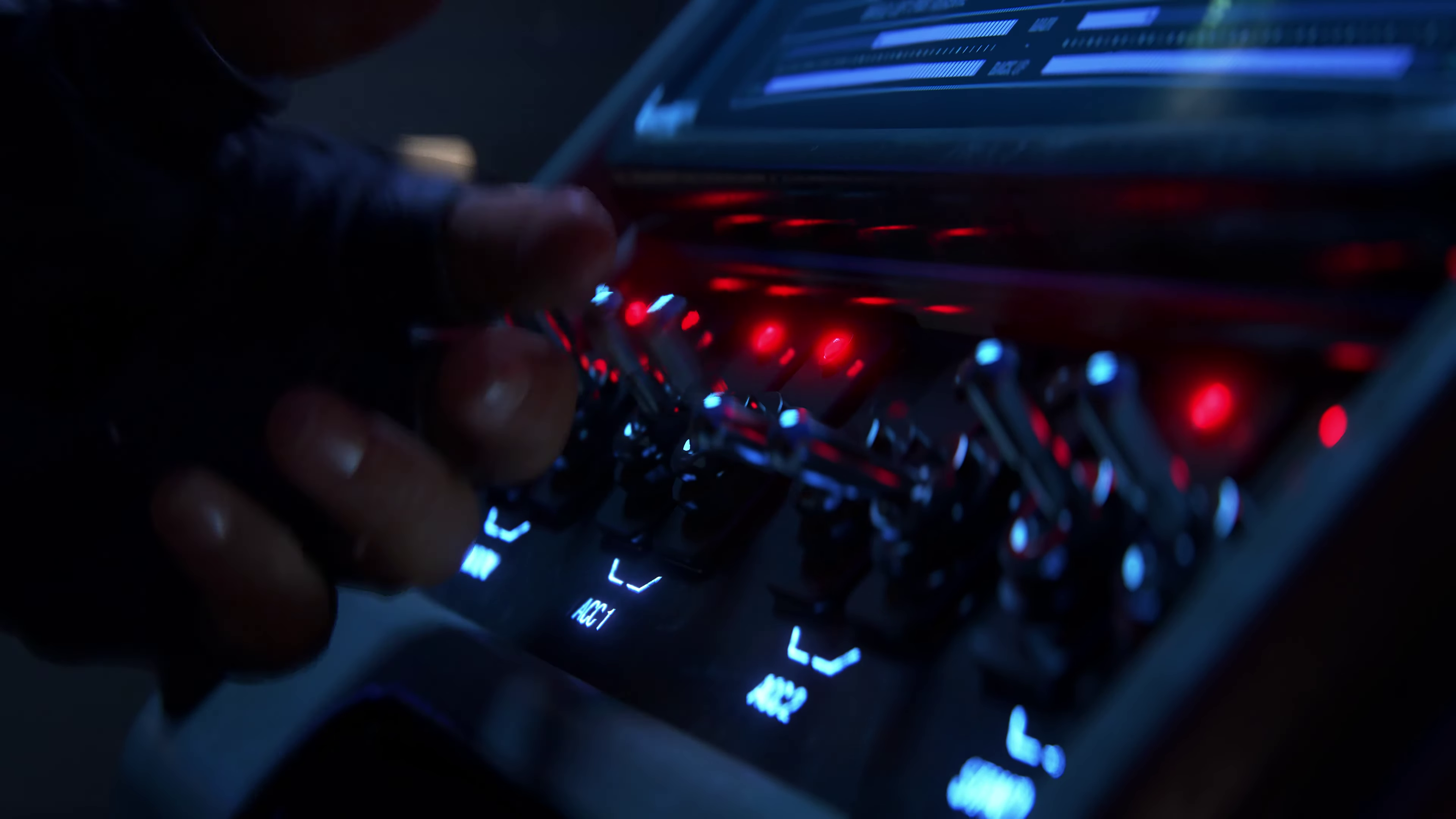
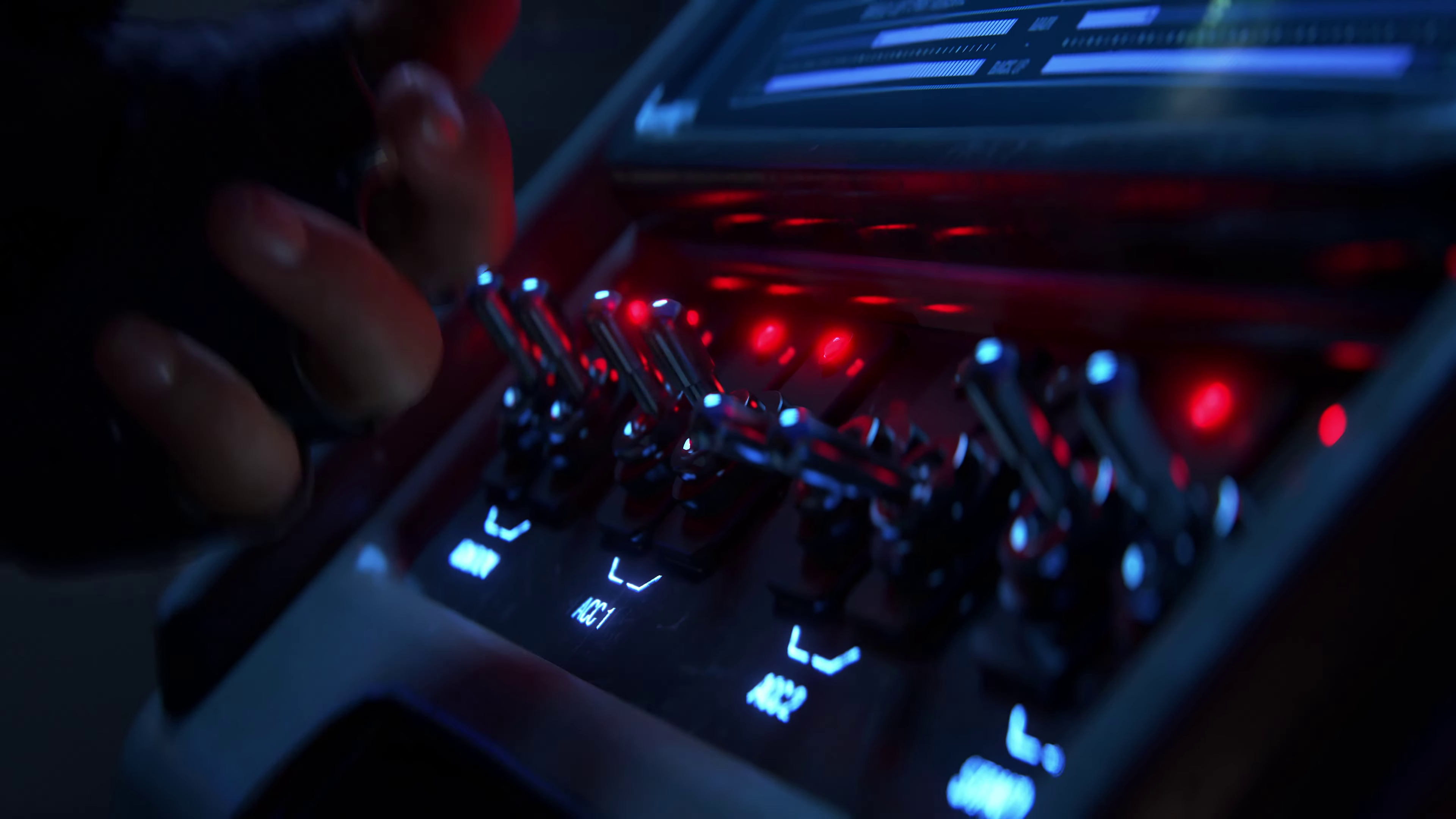
Notice the light from "Ignition" getting occluded by other fingers, causing her thumb to be lit by it differently every frame. Also notice the bottom of the second pair of switches or the reflections above. They disappear in the last frame. That's specular GI from the first pair of switches originating from "Ignition" and specular reflections of the same switch at the top. Once it moves from position, the shiny metal doesn't cast specular GI to the second pair. You will notice the specular reflection of the "Ignition" disappear from the moving switch itself, because the angle has changed. The specular GI also disappears from above the console due to changing angle of specular bounce. This is INSANE detail, all happening in consecutive frames.
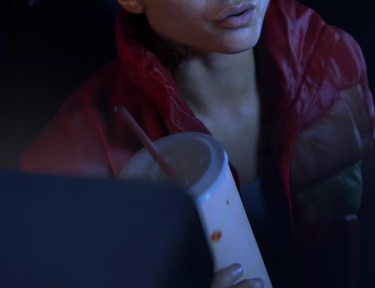
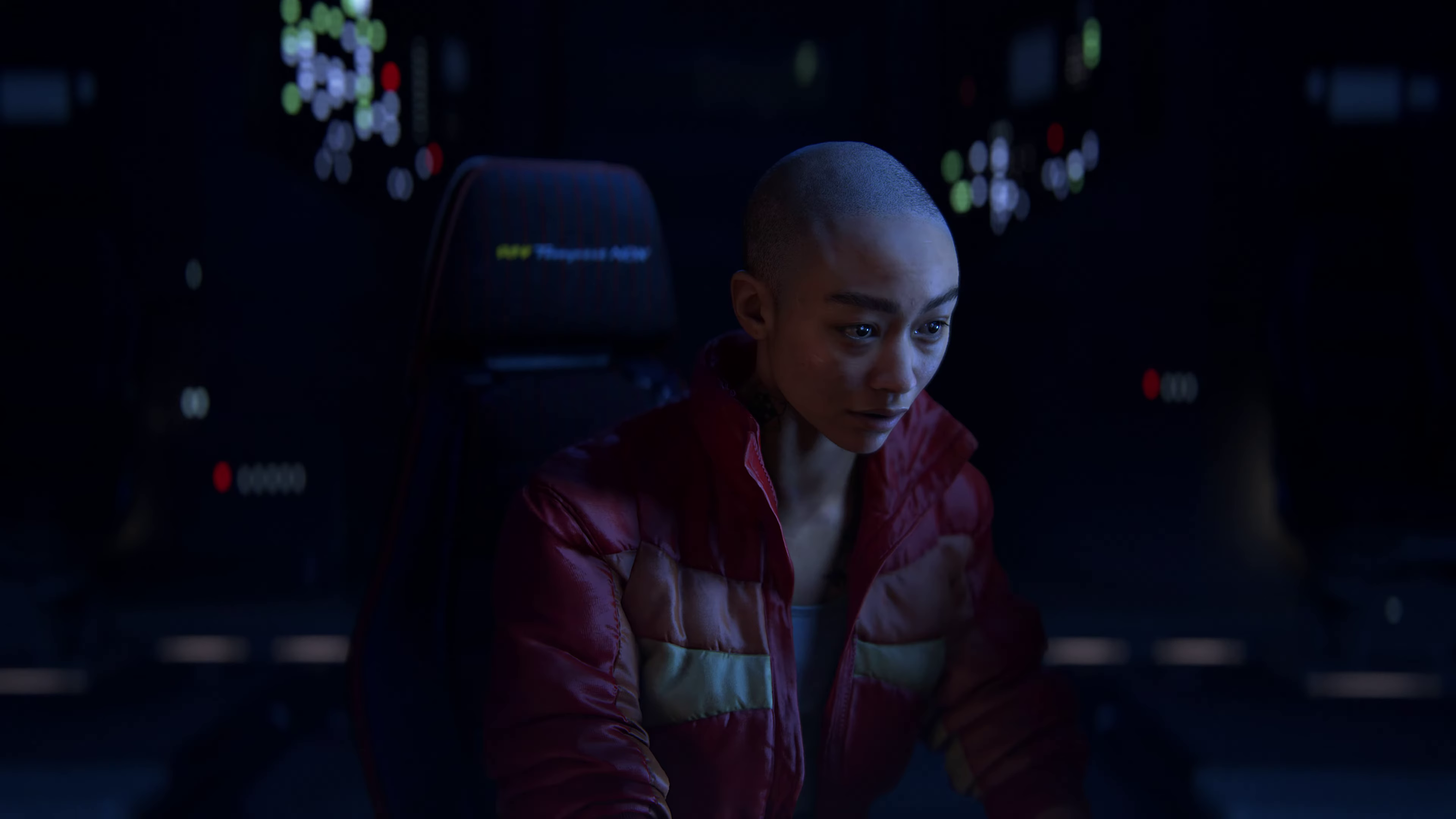
You will see this behavior throughout the trailer. Everything that glows, lights up the surroundings as well. Apart from path tracing, there are 3 ways to pull this off in real time at the moment that I'm aware of. A megalights like solution to make all emissive textures a light source. This would seem overkill, but is always a possibility going forward as other engines are starting to have this feature. But let's assume this is not in place as we are only trying to establish what is the bare minimum required. Also, the opening shot casts only one shadow on her that doesn't reconcile with the mirror lights in all 4 directions, which should really function like a ring light with no harsh shadowing falling on herself as a result, so that suggests this isn't an infinite shadow casting lighting solution, but more selective traditional direct lights. But on the other hand, this could also be an artistic choice where they wanted some obvious shadowing. Let's assume no megalights until there is other conclusive evidence for it. I see no conclusive evidence of something that advanced in the trailer.
The second option is RT emissives, where the emissive texture is ray traced for illumination of surroundings and objects that the light can reach. Cyberpunk does this on Pro. This would be sufficient for most things shown in the trailer and I assumed this to be the case for Intergalactic, even though DF missed it. However, there are a couple of scenes that RT emissives would not suffice
- Indirect bounce lighting/GI from emissives. RT emissives would only cast direct light
- GI color bleed
Both can be seen in the trailer.
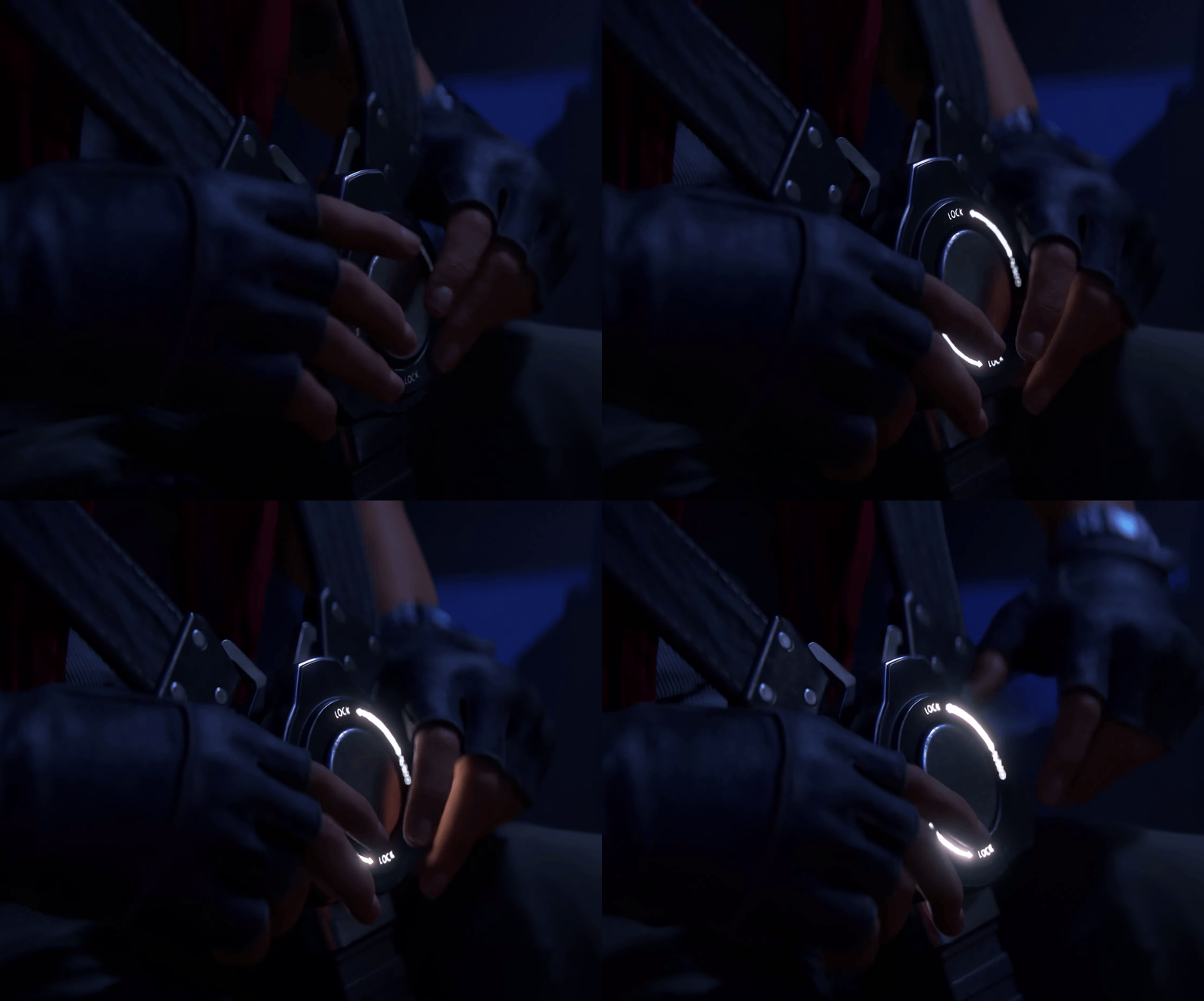
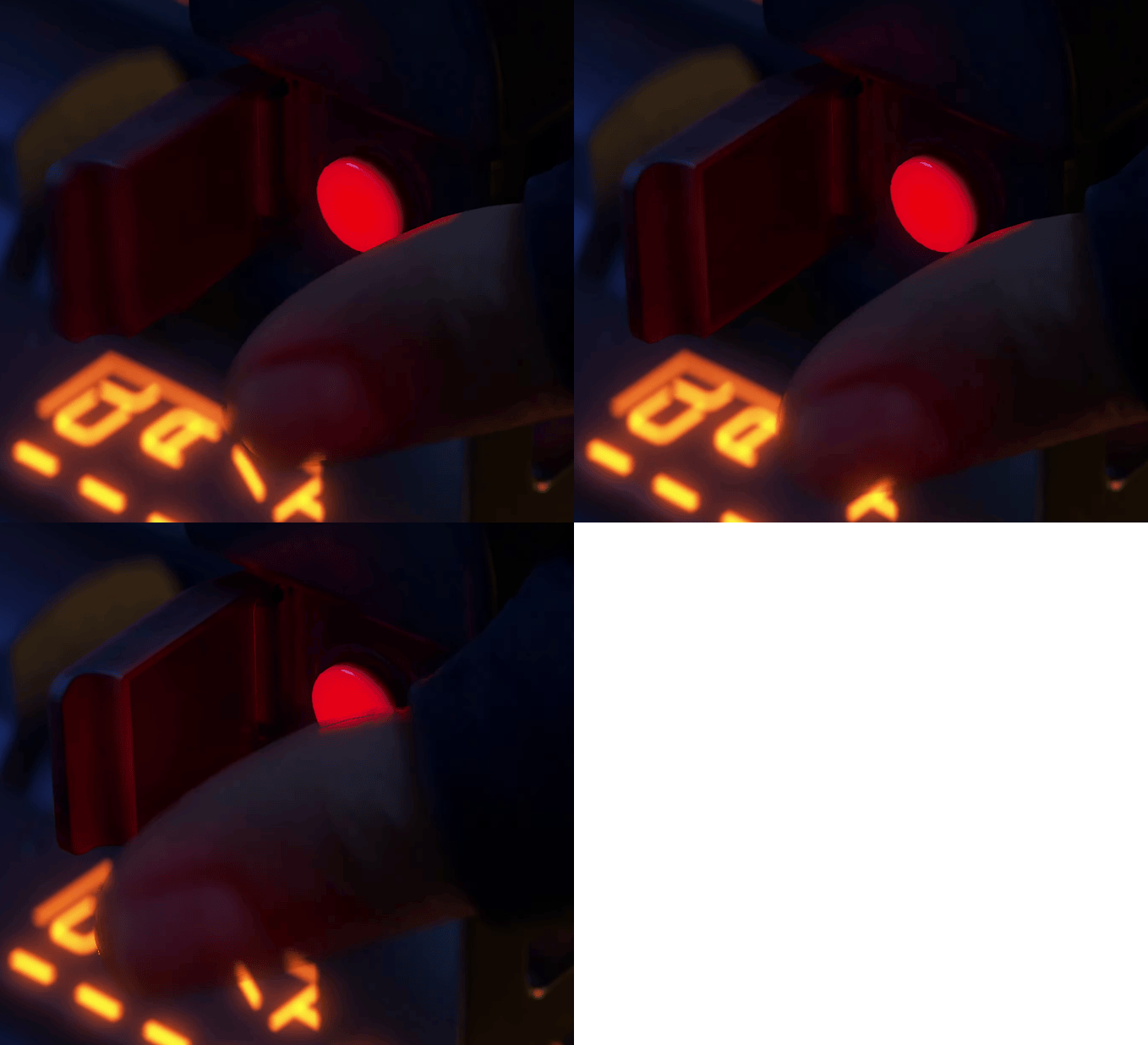
Notice how the bounce light on the cover increases as her thumb gets in front of the light source. That's extra light rays bouncing off her thumb to the cover, causing it to brighten even more initially
and then the bounce light gradually reduces as her finger starts covering the light altogether. Incredible demonstration of SSS as well
 Bojji
Bojji
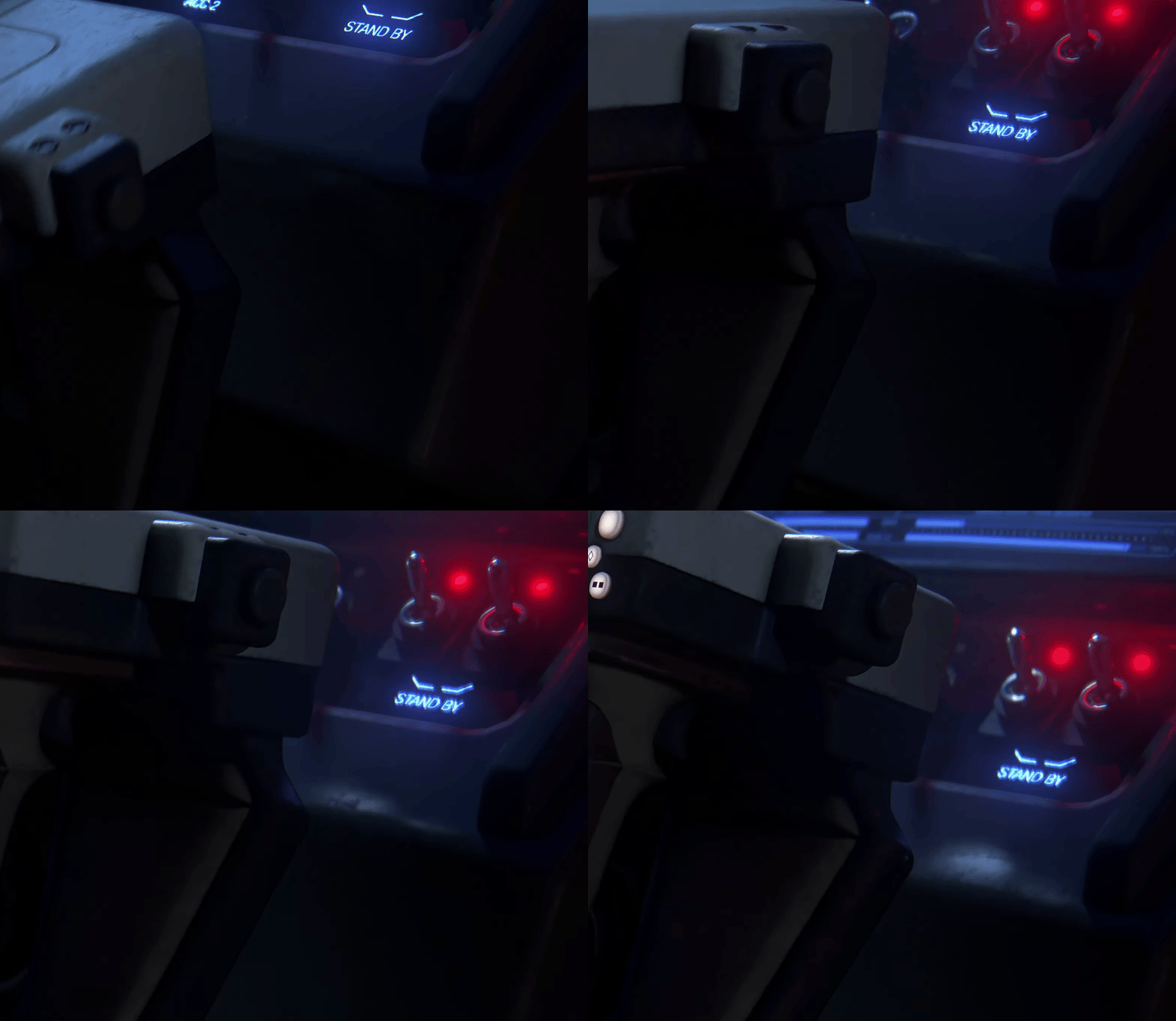
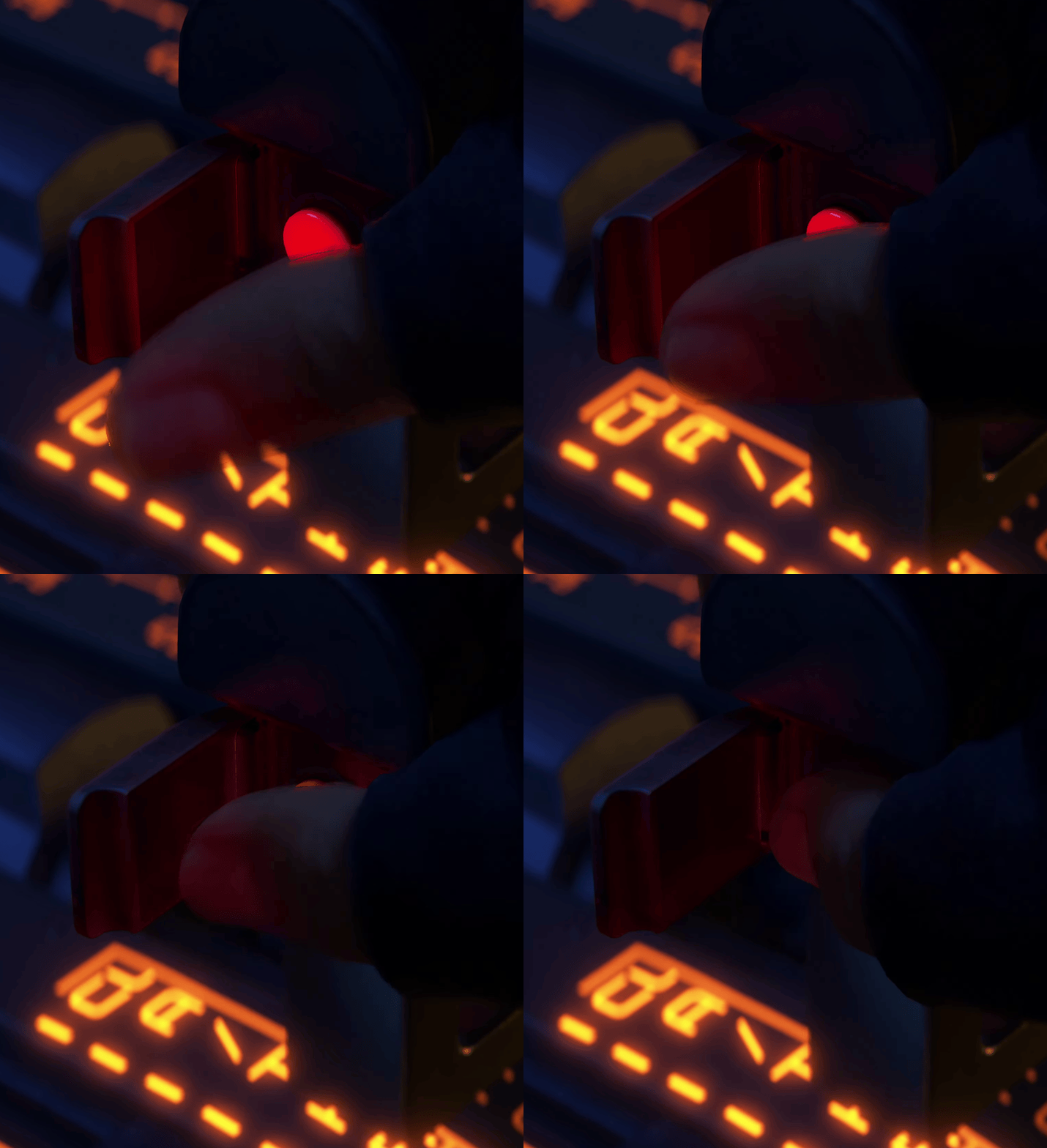
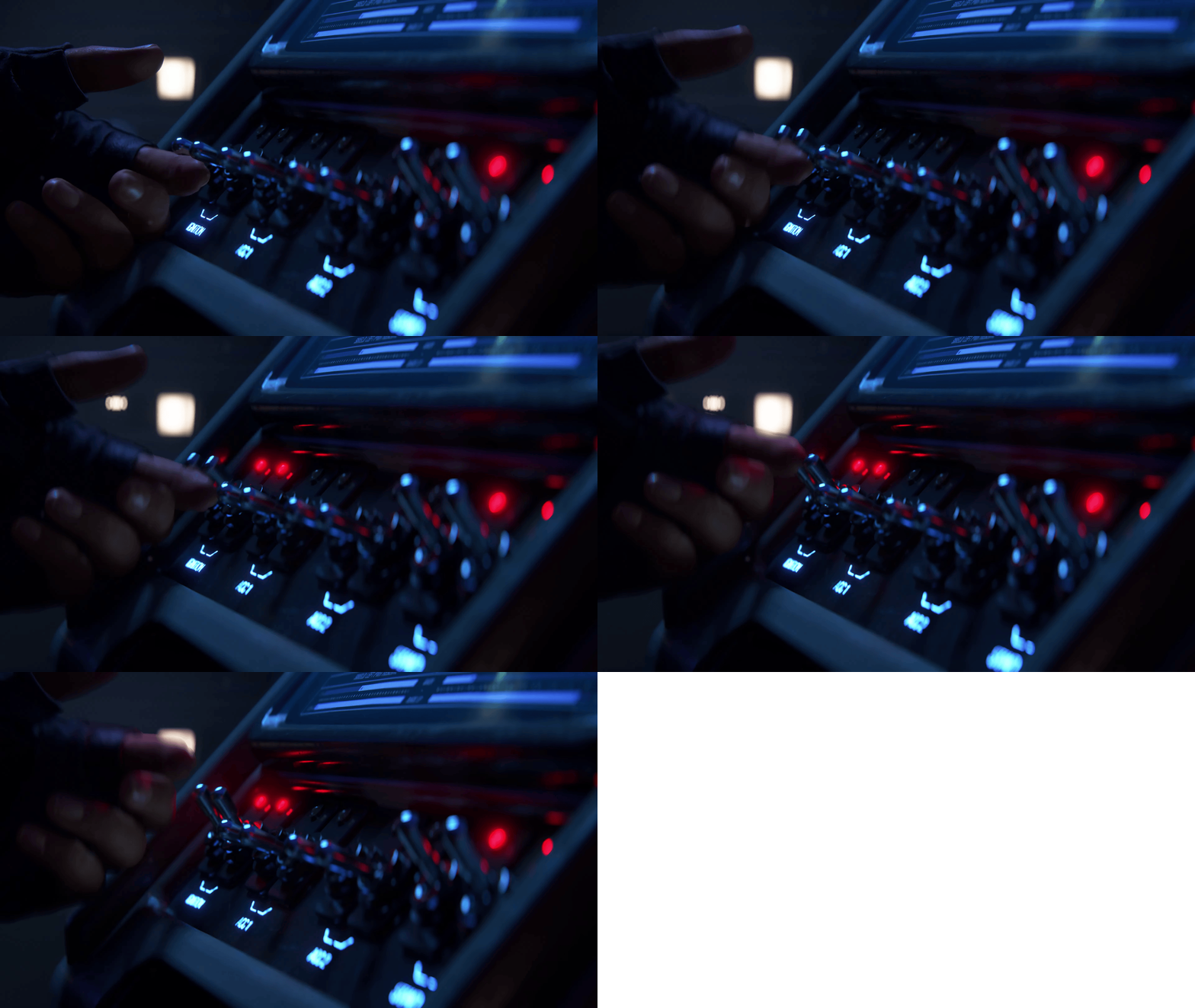
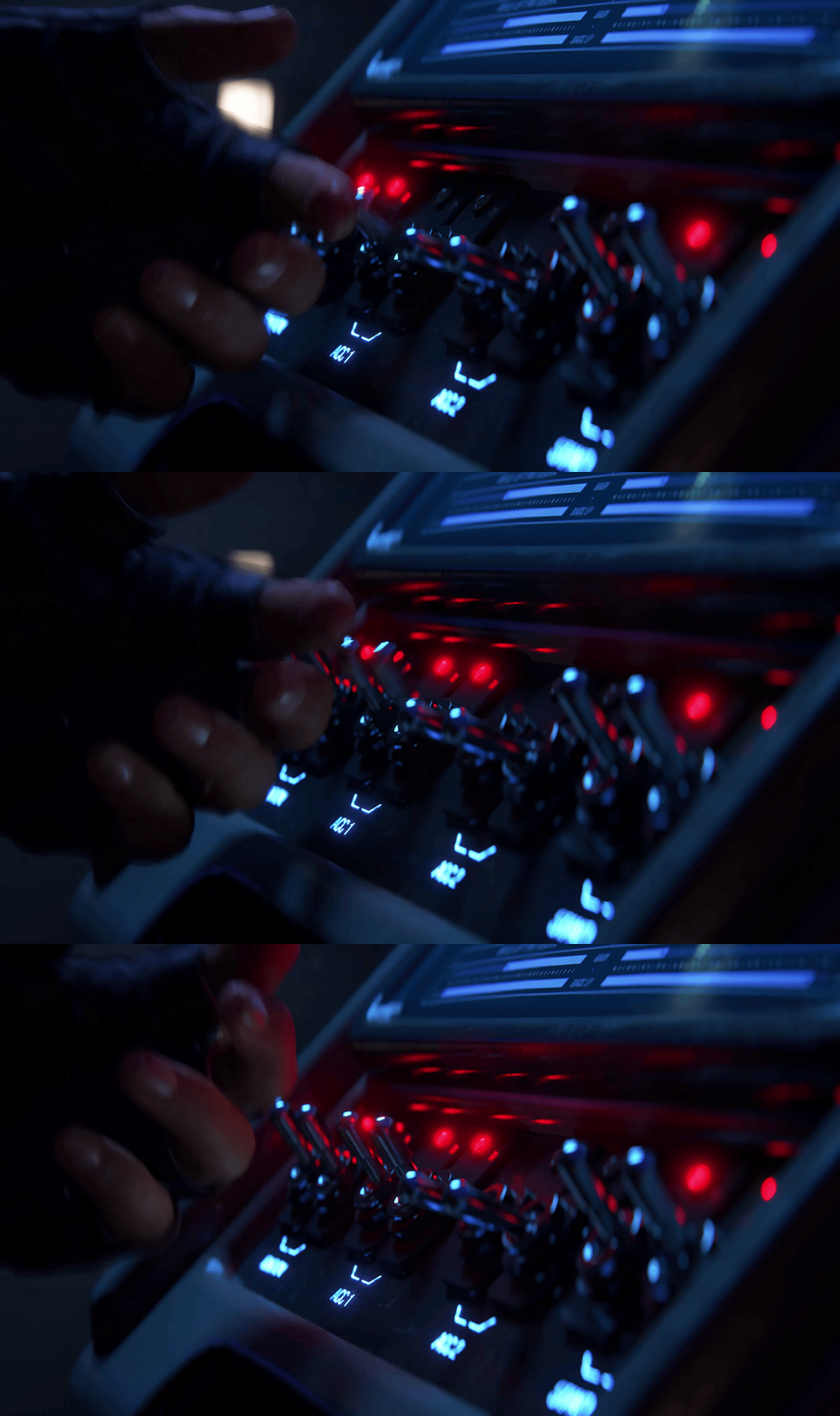
Or here, back to the switches, where you can literally break down each frame for direct and indirect illumination. There is a 1 frame lag, which is quite common in realtime RTGI versus prerendered, where indirect bounces are expected to be near instantaneous.
Frame 1 & 2: No light:
Frame 3: Direct light on. No GI yet
Frame 4: Direct + GI
Frame 5: Direct light + additional GI
In GIF form again:
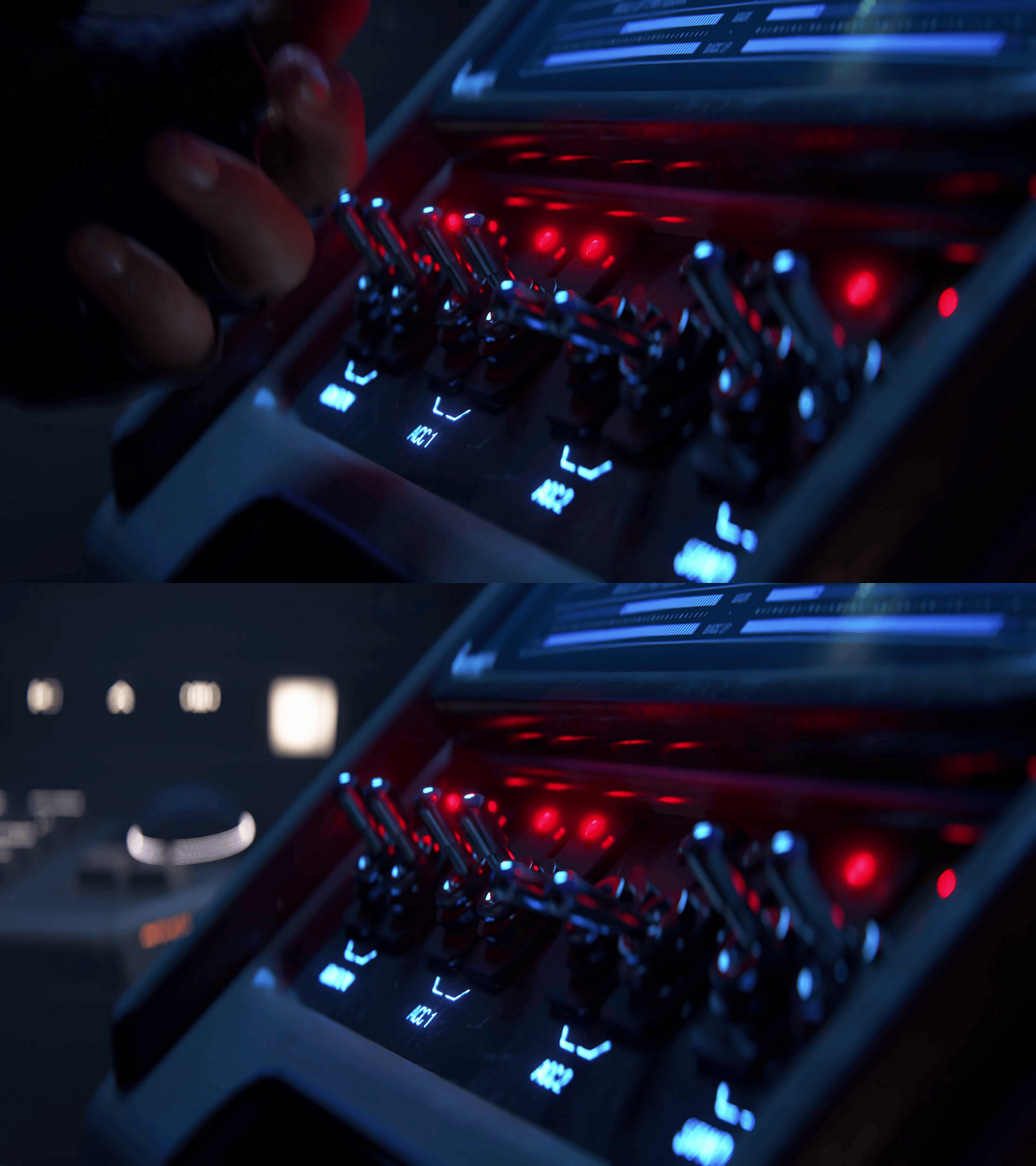
On second pair of switches. Behaves exactly the same way
Frame one: No light
Frame two: Direct light. No GI yet
Frame three: Direct + GI
IN GIF:
The most important part isn't what is happening to the static asset (even though it's quite dramatic). But what is happening to the dynamic object ie her hand. Can't do that shit without RTGI.
In fact, there are subtle changes to GI that I see even after 6 frames
Frame 1 vs Frame 6: Direct + GI (see right corner above last pair of switches. Hand being in the frame causes more GI bounce)
Unlike lumen, the energy transfer is much less laggy, so majority of things light up within just 1 frame ie 16.6 ms lag. And a bit more in the following frame. This is multi-bounce RTGI.
These are quite literally consecutive frames. These cannot be faked in realtime rendering as it's way too nuanced. They will have to build lightmaps for every frame and swap them out. Might as well prerender offline.
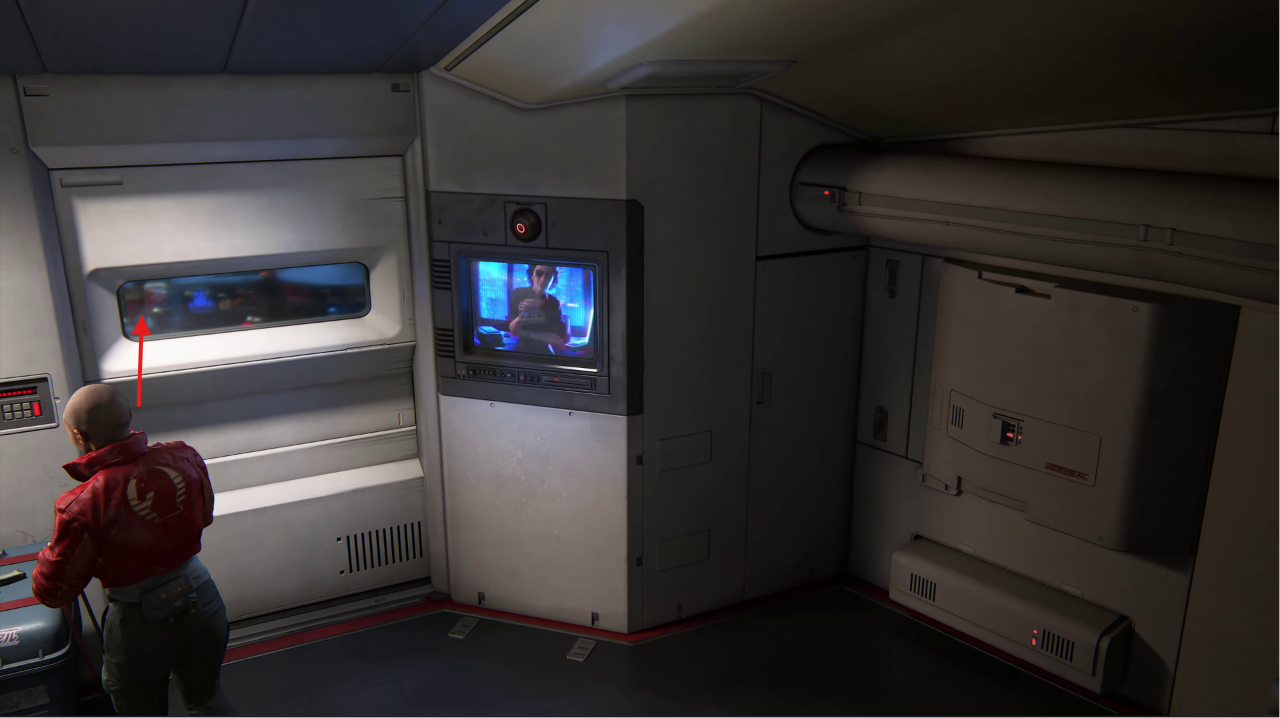
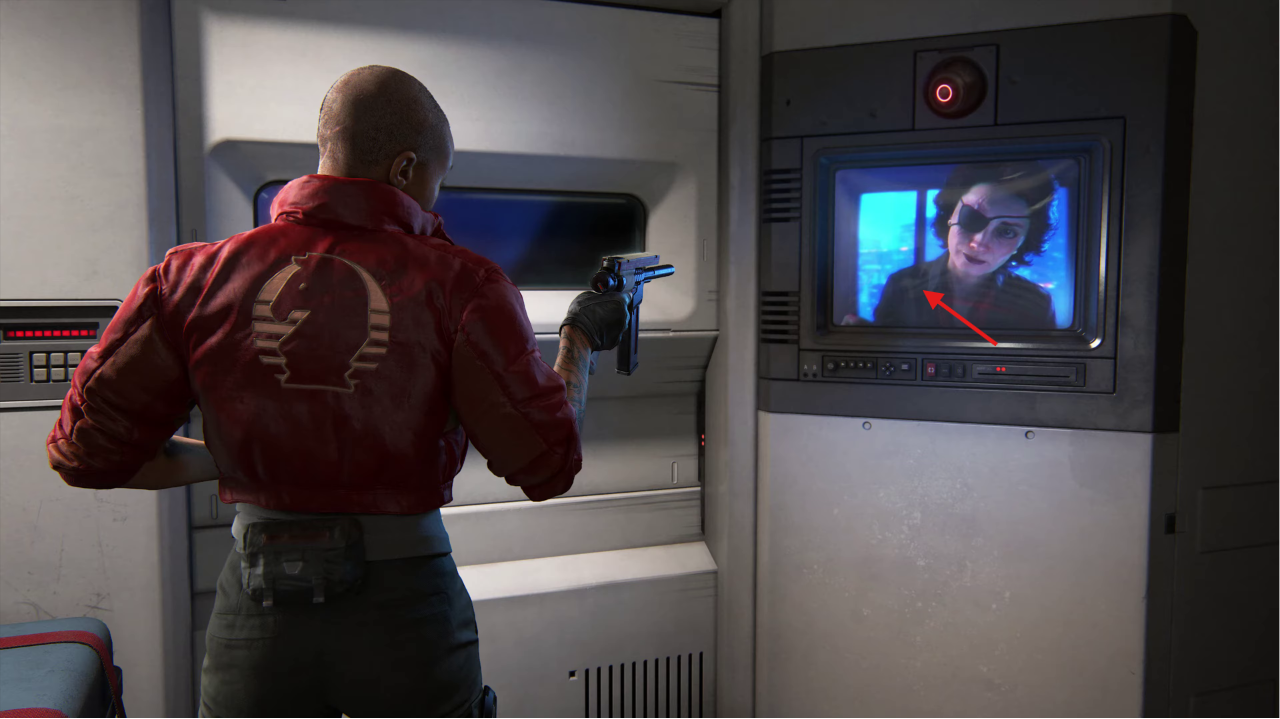
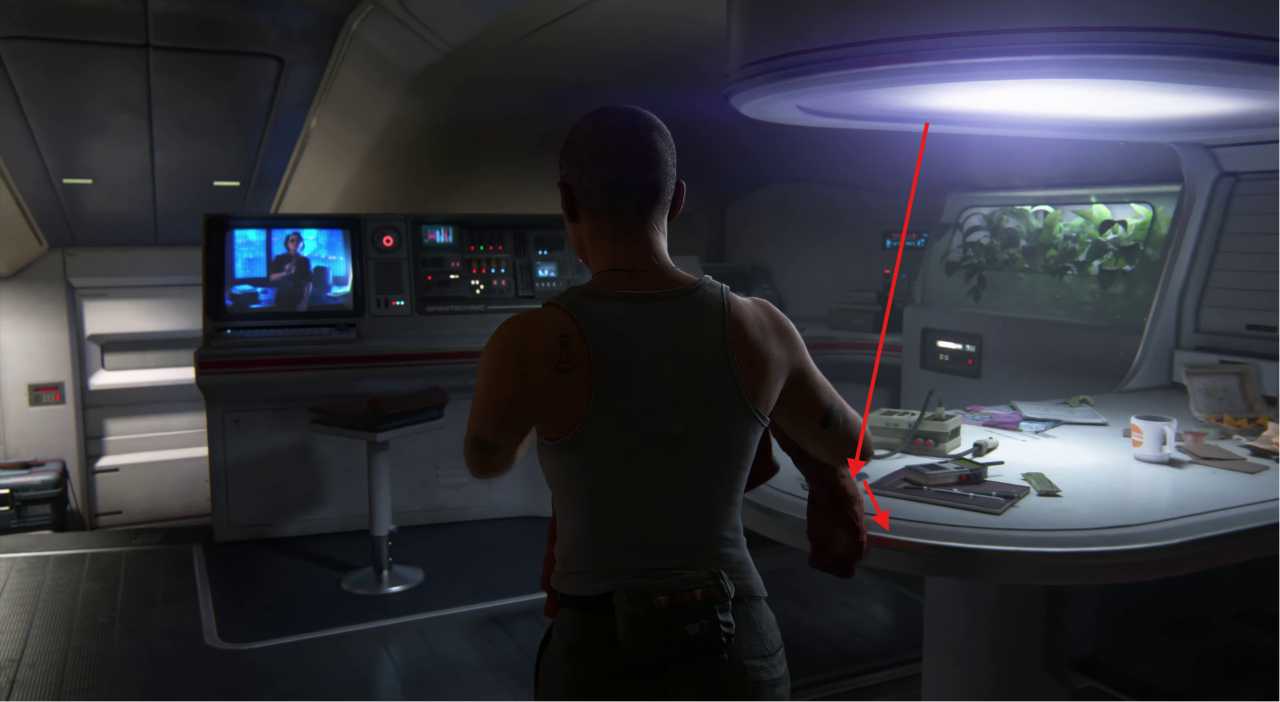
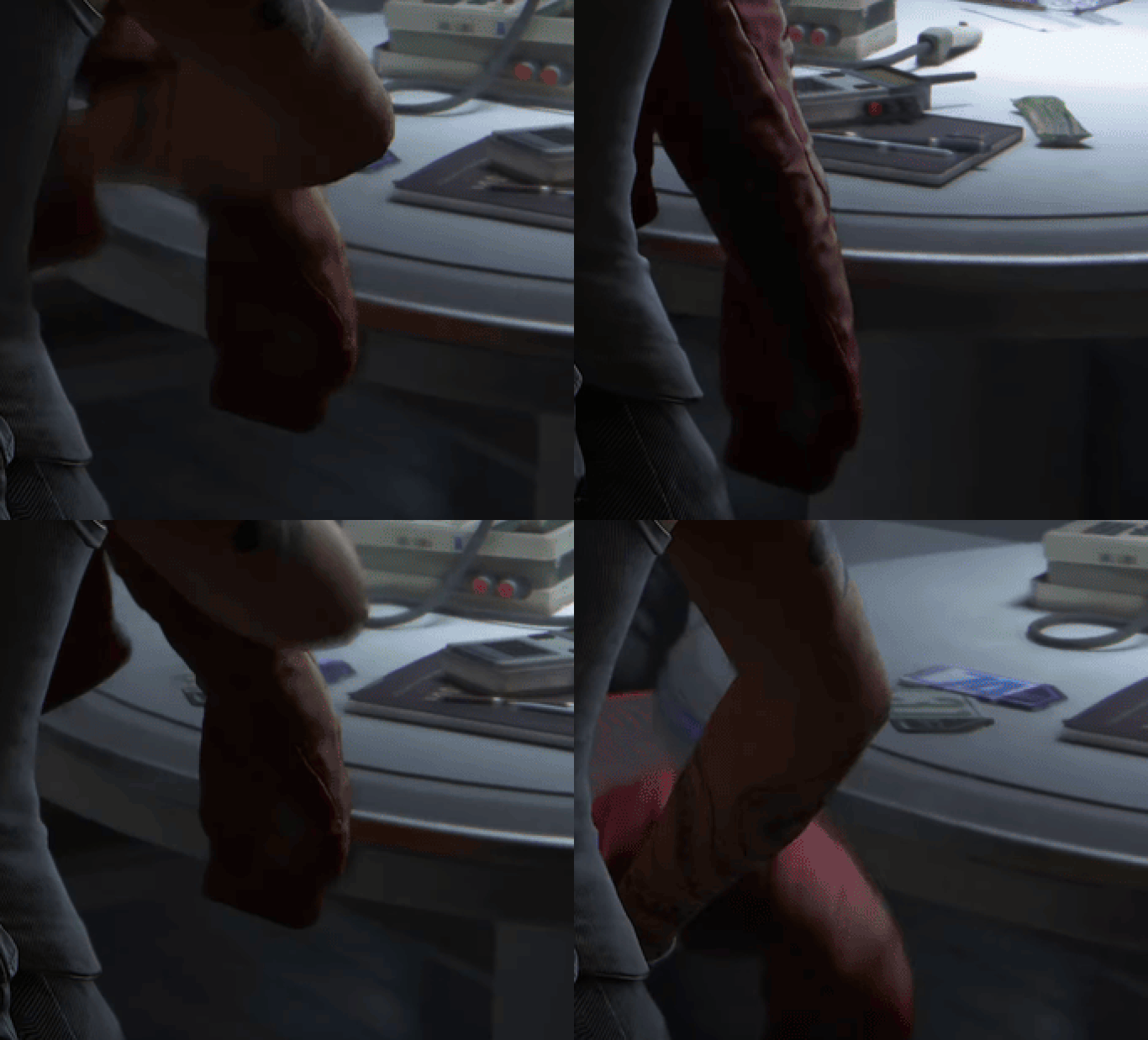
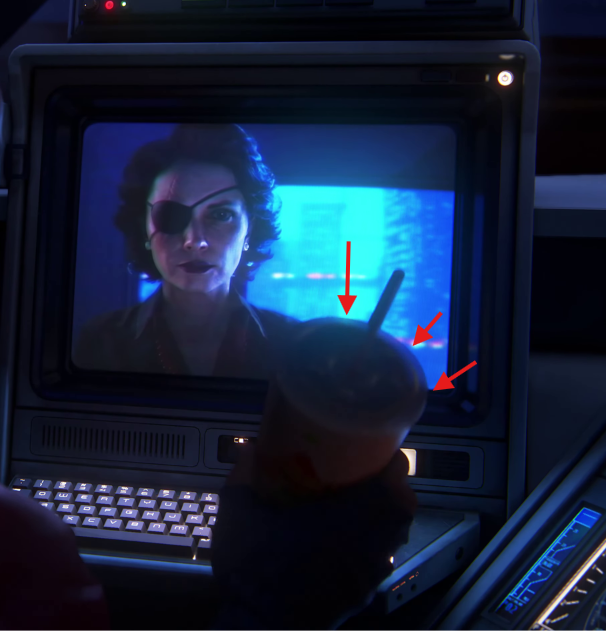
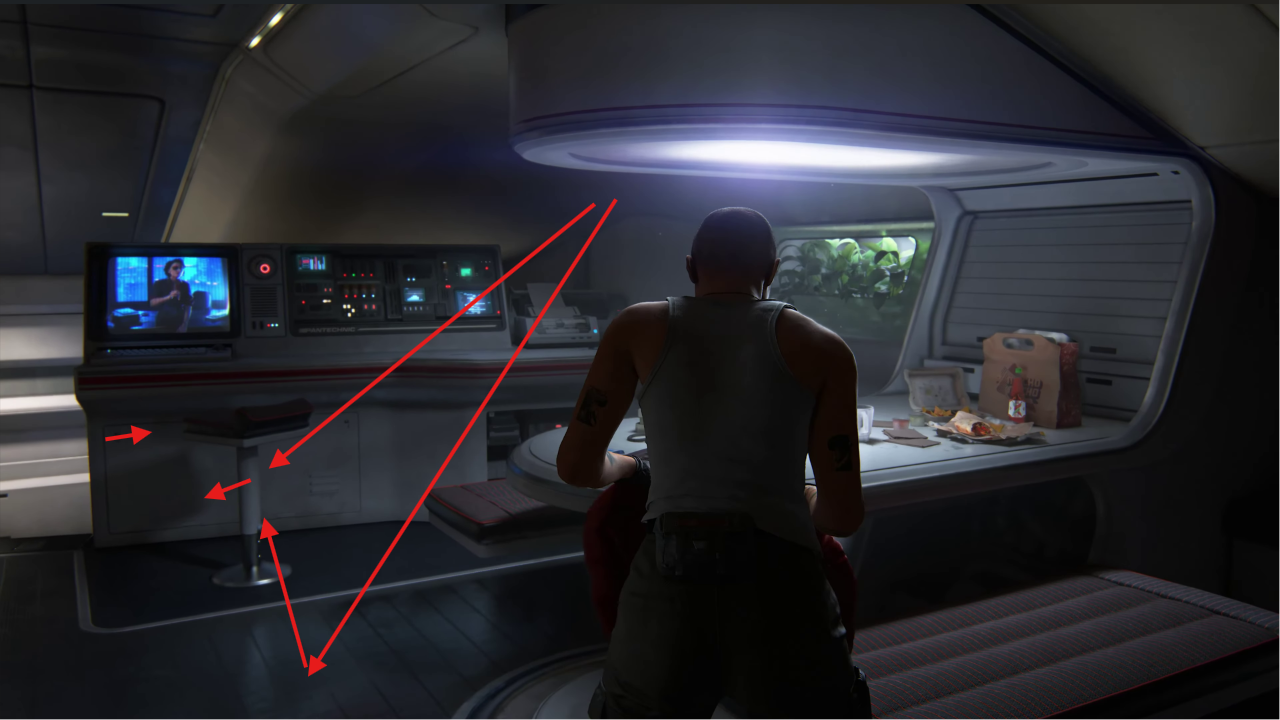
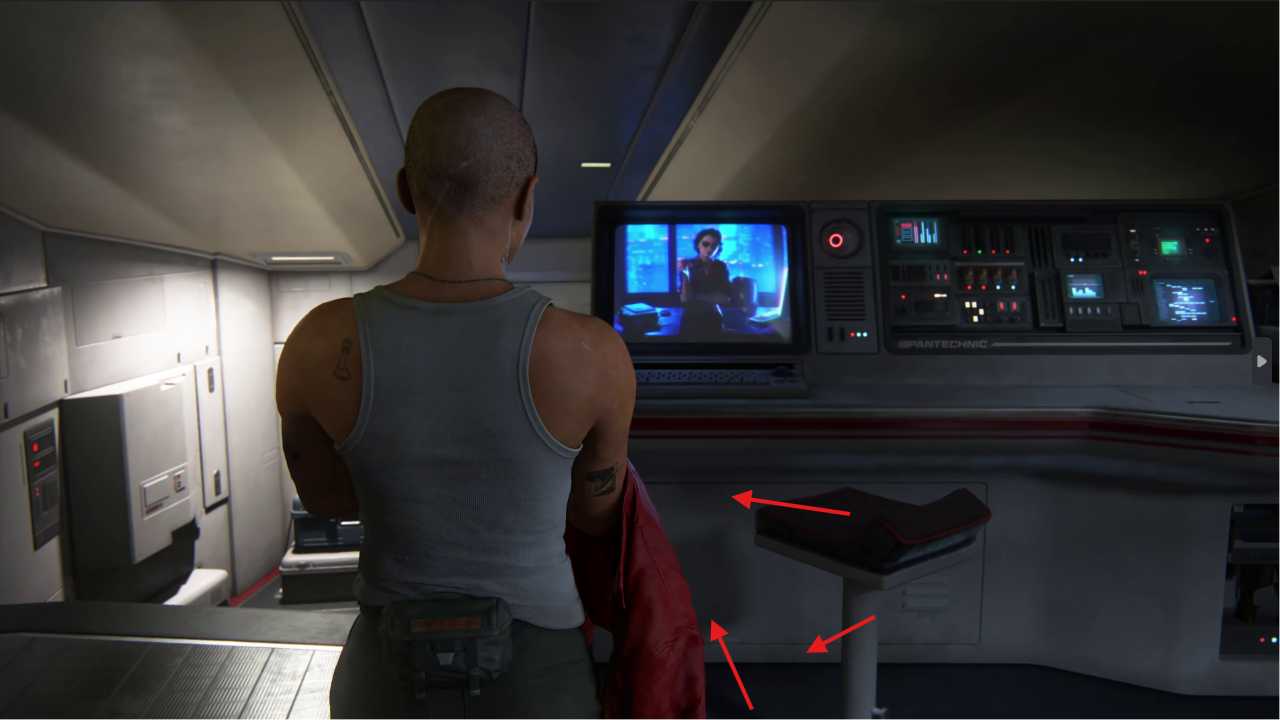
And here's an example of color bleed. Her jacket bouncing its color onto the side of the table from overhead lights. The specularity of the table's side trim picks up the color bounce quite nicely.
GIF:
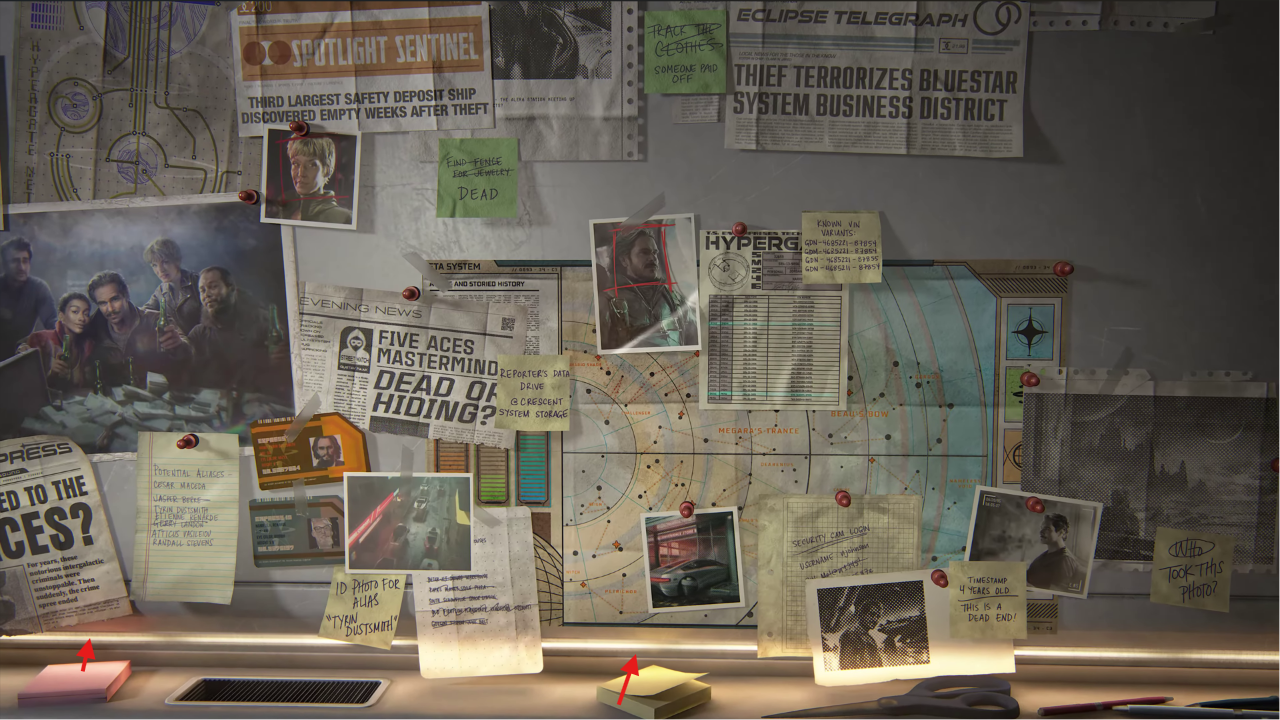
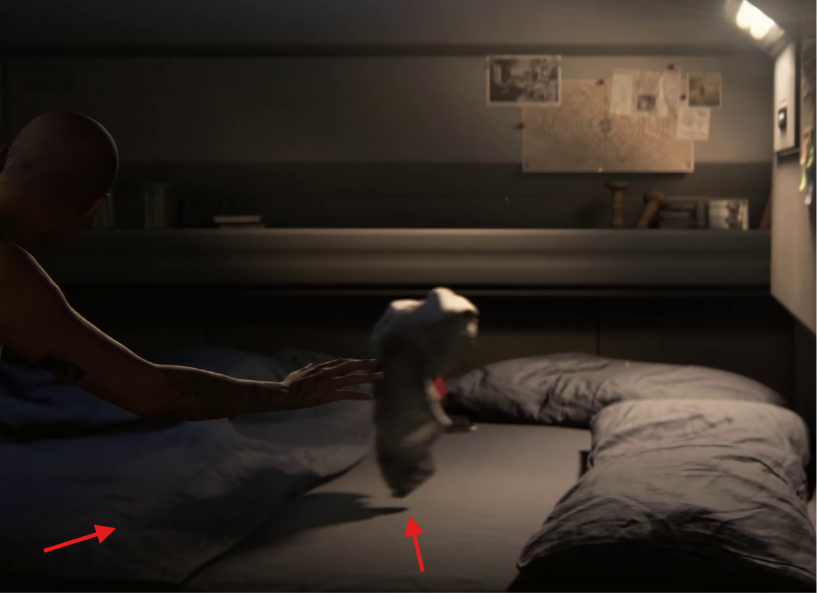
I'm specifically pulling up dynamic objects as static objects have tons of GI that ND has done before with just baking. But even their baking was not to his extent. A couple of examples of potential PT levels of baking, or just a nice byproduct of RTGI, can't say for sure:
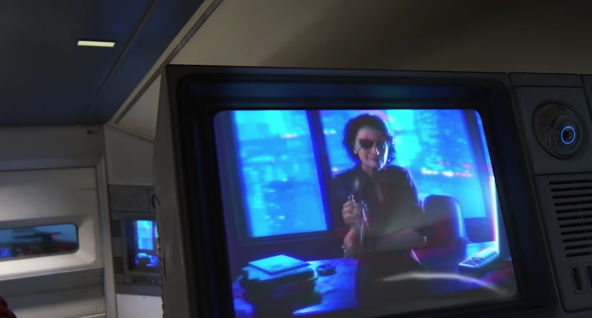
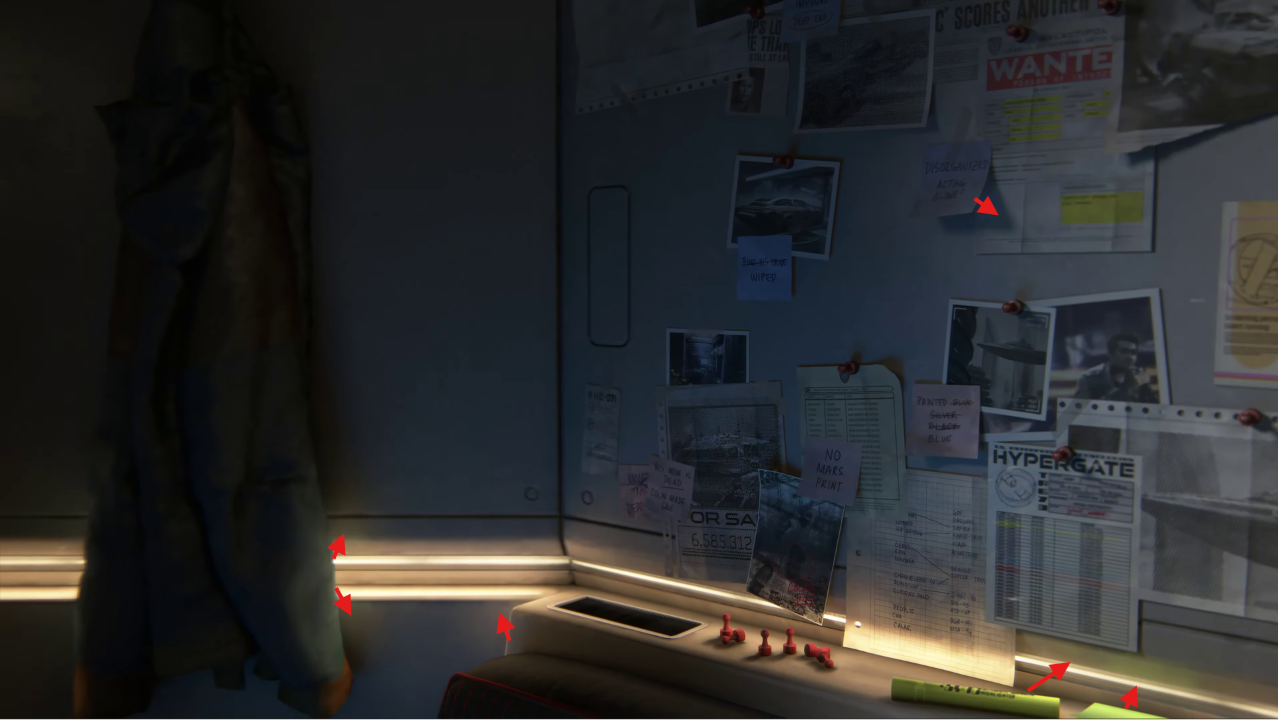
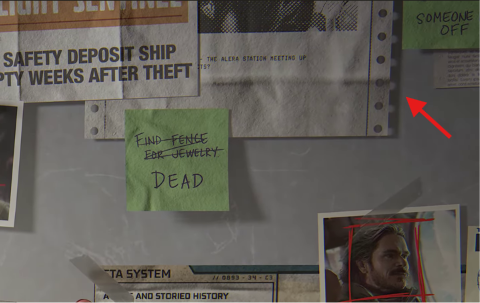
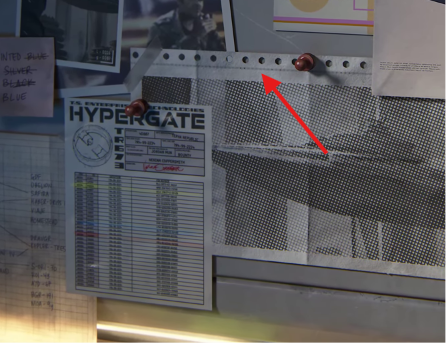
Not the shadow of sticky note taking a blue tone and marker, sticky note and jacket below:
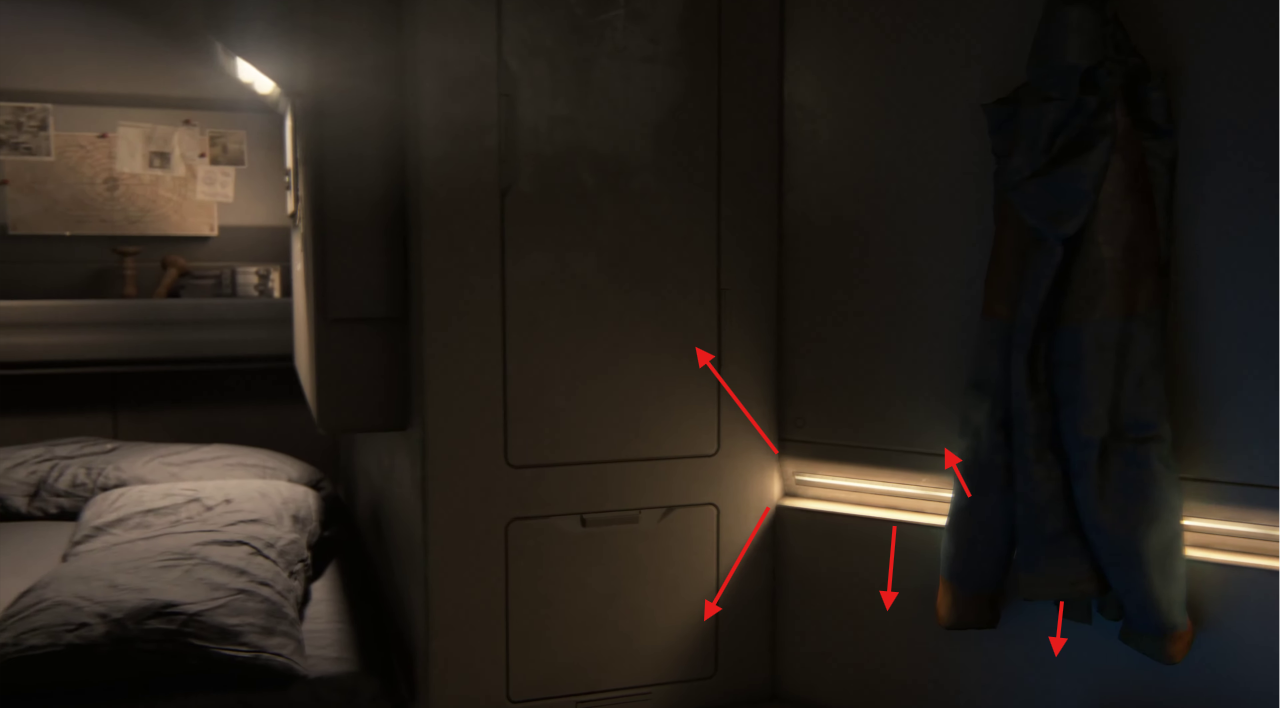
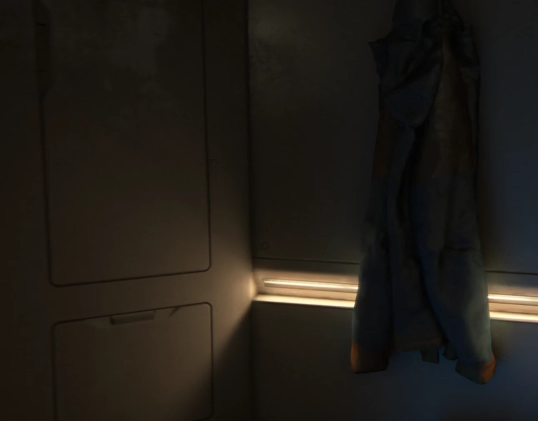
Notice how the tube light is contained throughout the recess and spills out of the edge. Generally a baked or non-RT scene is never designed with these types of thin tube lights, as lighting for every pixel needs to be calculated using ray tracing instead of standard spherical lighting models. Alex had rightly called this out as evidence of RTGI in GTA 6 as well. But I'm not
relying on it as conclusive proof as this is a curated static scene compared to dynamic day/night cycles of GTA 6. They could bake the heck out of all this with offline path tracing. But the ones I presented earlier cannot be baked. So to keep performance up, they could be having a combination of baked lighting for static/immovable assets and RTGI for dynamic assets. Or it's all driven by RTGI. Or a base layer of bake to keep IQ up and then multiple bounces staggered over time for the final touch. No way to tell from such a highly curated trailer.



www.digitalfoundry.net





























 )
)


