• Hey Guest. Check out your NeoGAF Wrapped 2025 results here!

Graphical Fidelity I Expect This Gen

I love the halo tank model in that pic, it look so...solid:lollipop_grinning_sweat:
dancing-tank.gif
 
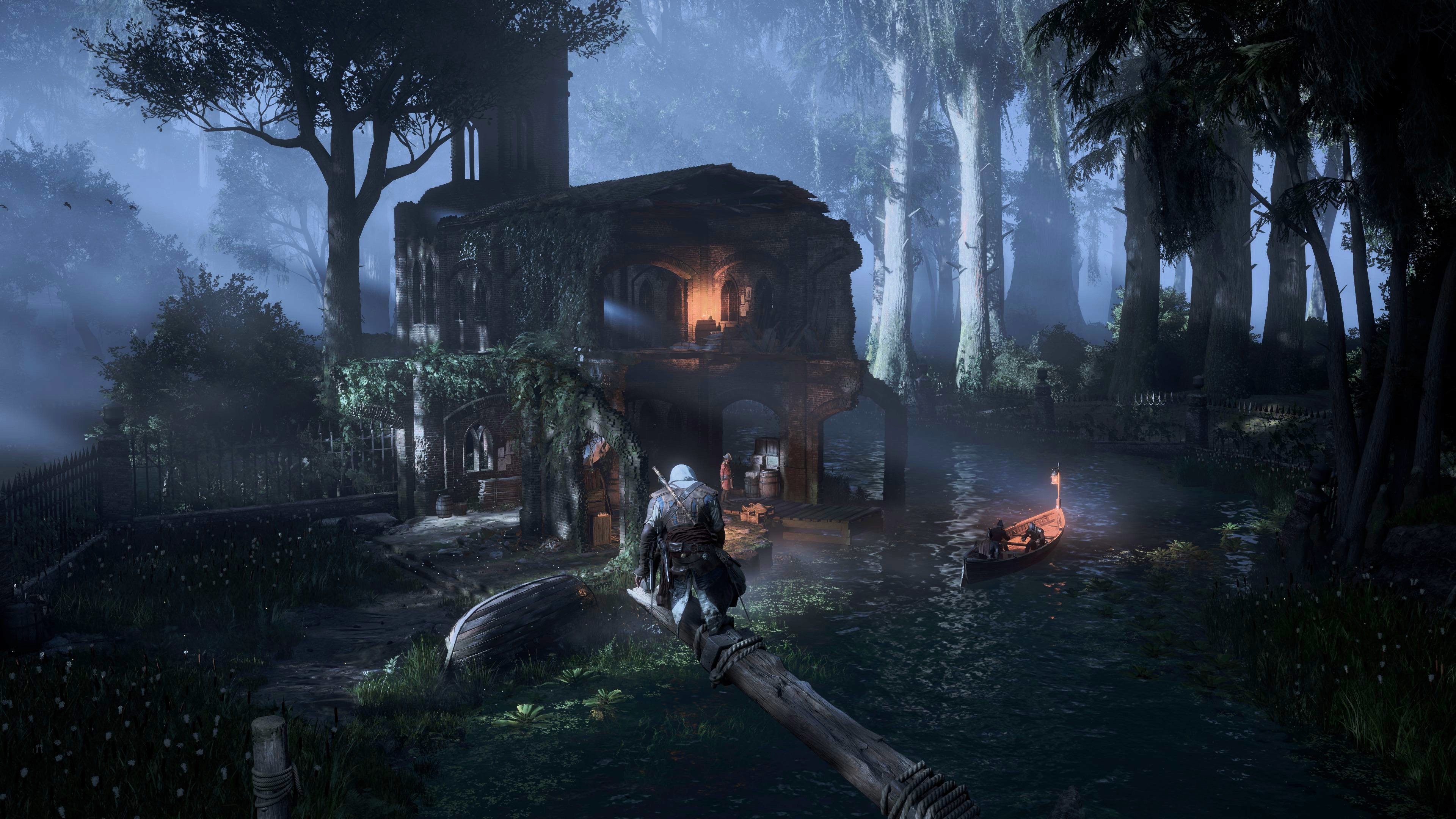
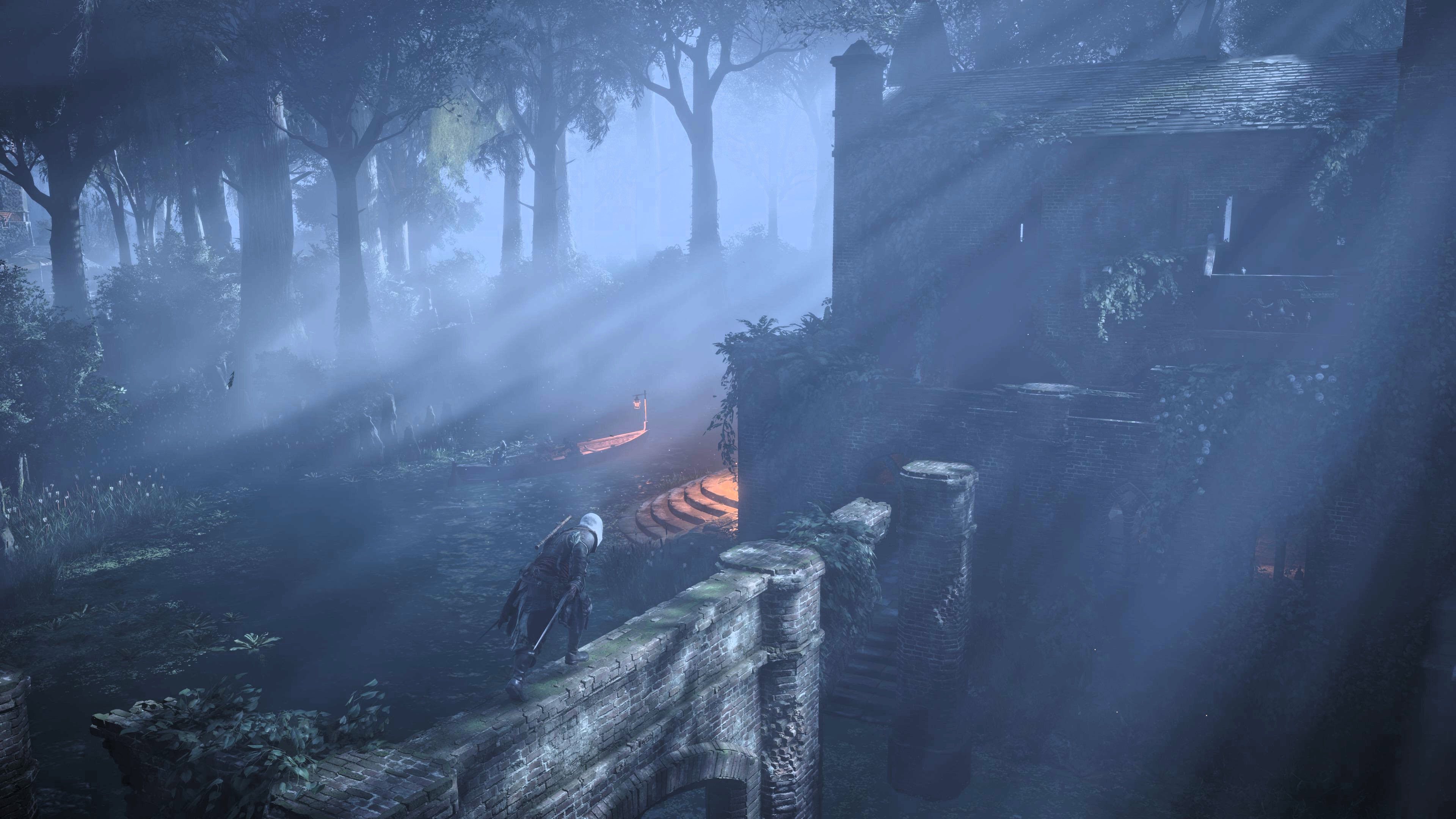
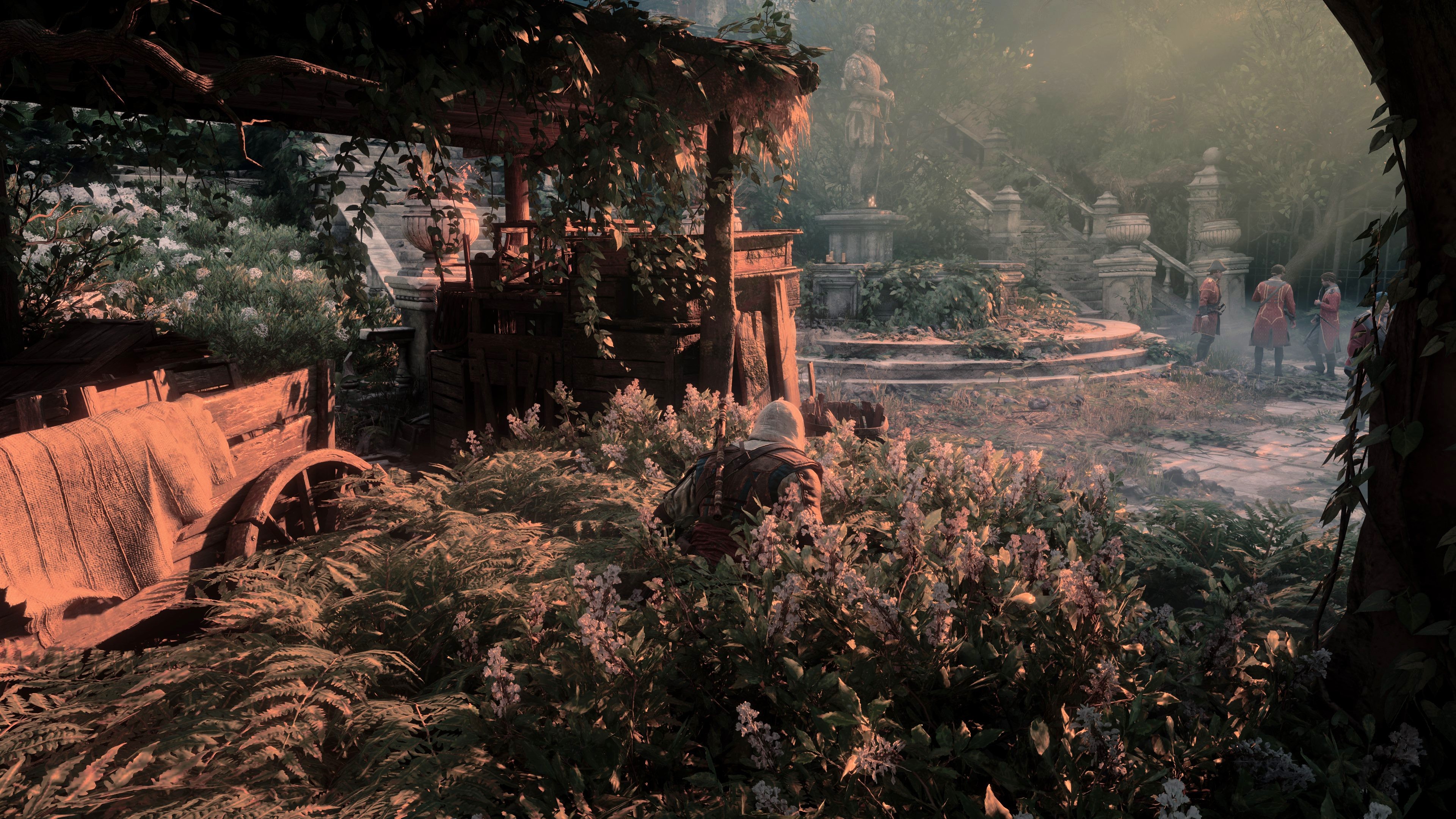
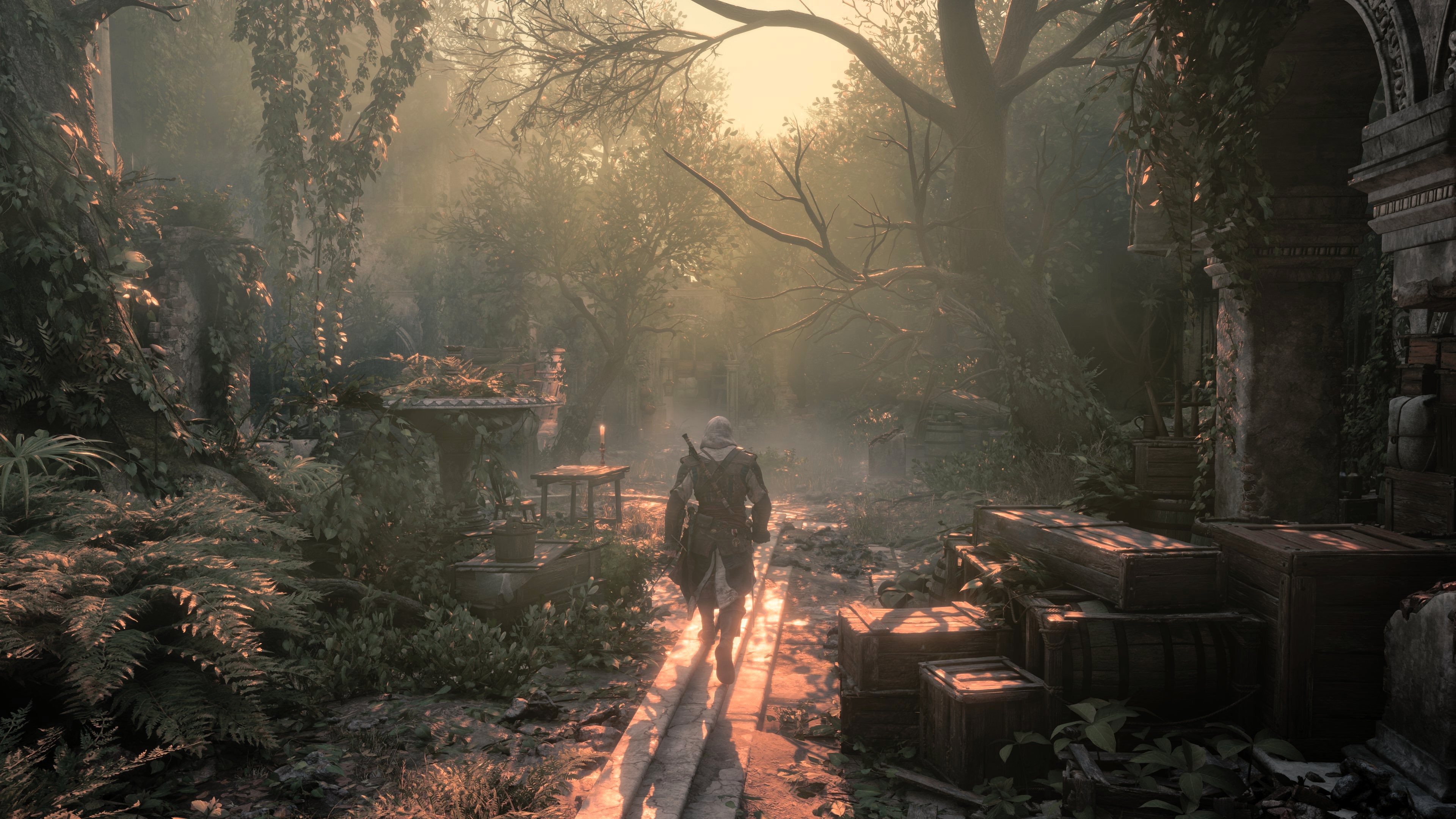
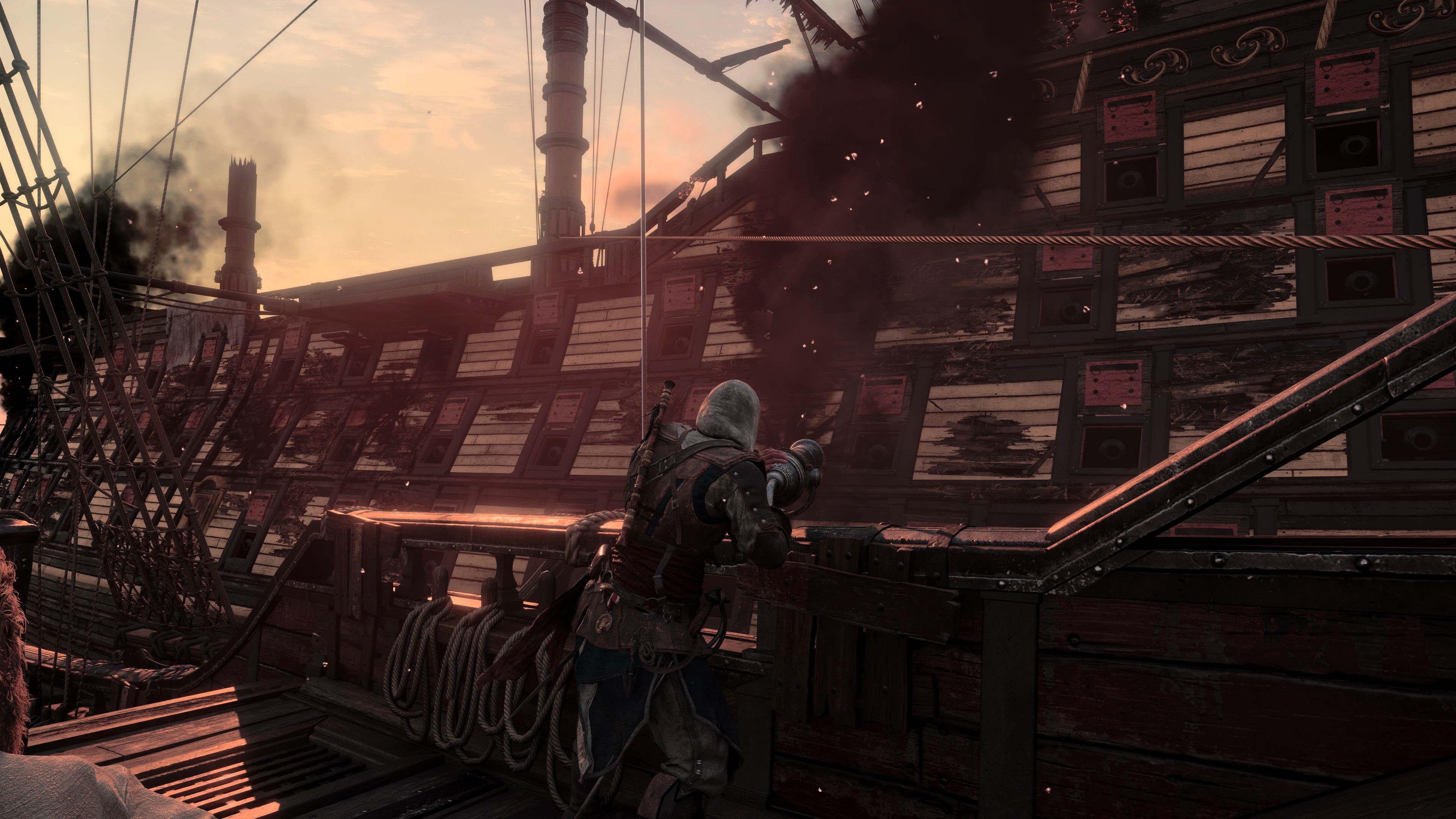
Man, this game is just incredible in terms of graphics. I am loving it

mRtMTJmdyhzmYXwW.jpg
vUzuj6QmiA25gJSZ.jpg

VVdaFDHxQlAf1I1x.jpg

r37dQieRZU7x1d2k.jpg

LEE6xbVKPcHIy6ww.jpg
Only thing i hate about the new anvil engine are the DLSS4 bugs. Flying leaves has really bad ghosting, this was more present in shadows due to more leaves in the air, but its still here and the horizontal lines in the distance thats more visible on fog and clouds. When you move the camera fast you can see it and when you stop moving it, it disappears after a few seconds, but still annoying to look at

 
Only thing i hate about the new anvil engine are the DLSS4 bugs. Flying leaves has really bad ghosting, this was more present in shadows due to more leaves in the air, but its still here and the horizontal lines in the distance thats more visible on fog and clouds. When you move the camera fast you can see it and when you stop moving it, it disappears after a few seconds, but still annoying to look at

I am not seeing this with the default DLSS at all
 
Not even with the integration of AI, Viveks? Wouldn't AI help us get there faster, in the grand scheme of things? Not just in terms of graphics but also animations, physics (which to me are part of animations), interactivity etc?
AI acceleration is probably the only way it will eventually get there. But it's very early days for that. I can see AI driven simulations for non interactive objects first, like clouds. It seems like AI driven character movement, facial animation and inverse kinematics is in active research as well. And eventually most physics that don't need to be 100% accurate/consistent will be AI driven. But that's likely several years out.

There's also a lot of research work on using ray tracing to perform collision detection. Could be a huge boost for gpu driven physics that can massively parallel process this. Once accurate fluid simulation in 3d becomes reasonably mature (like the one I posted earlier, but 10x faster) they can use that for training AI models to accelerate to realtime performance. Training it based on 2D videos just doesn't cut it. It will always look uncanny and break immersion
 
Last edited:
Top Bottom