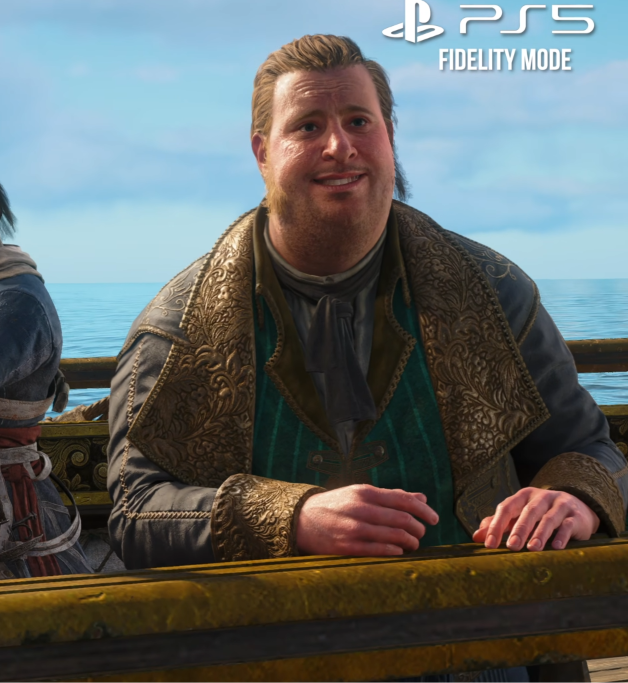
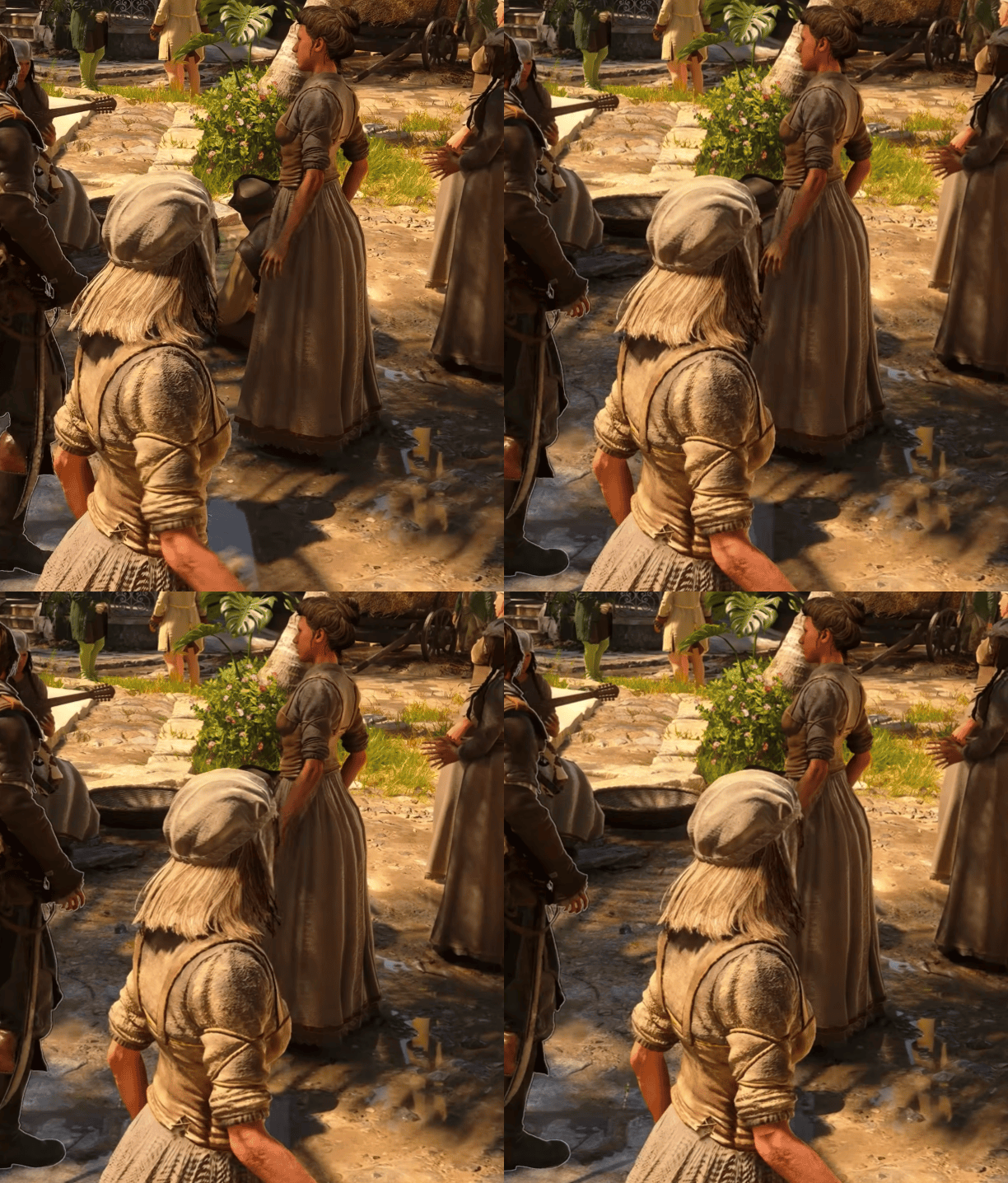
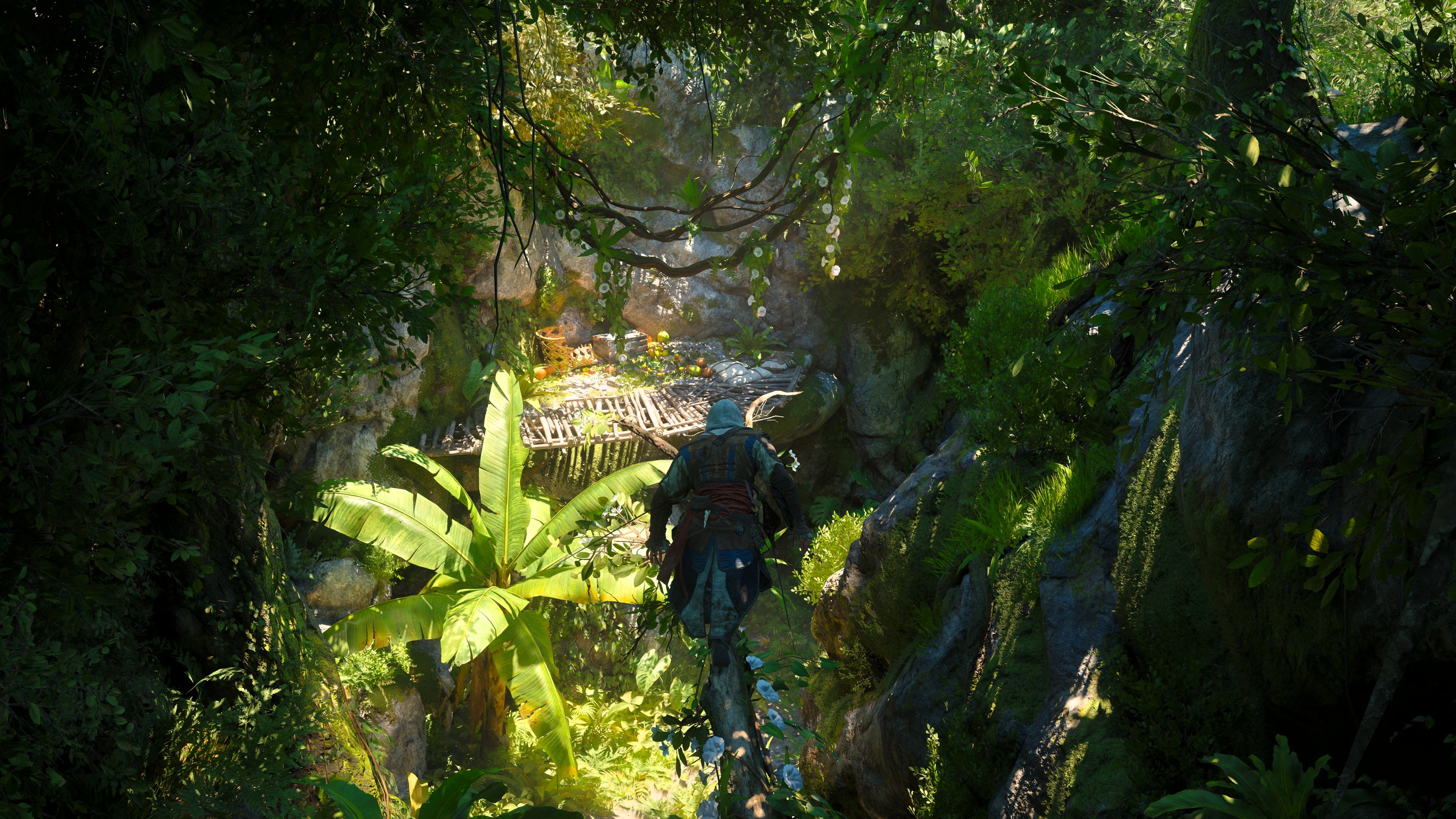
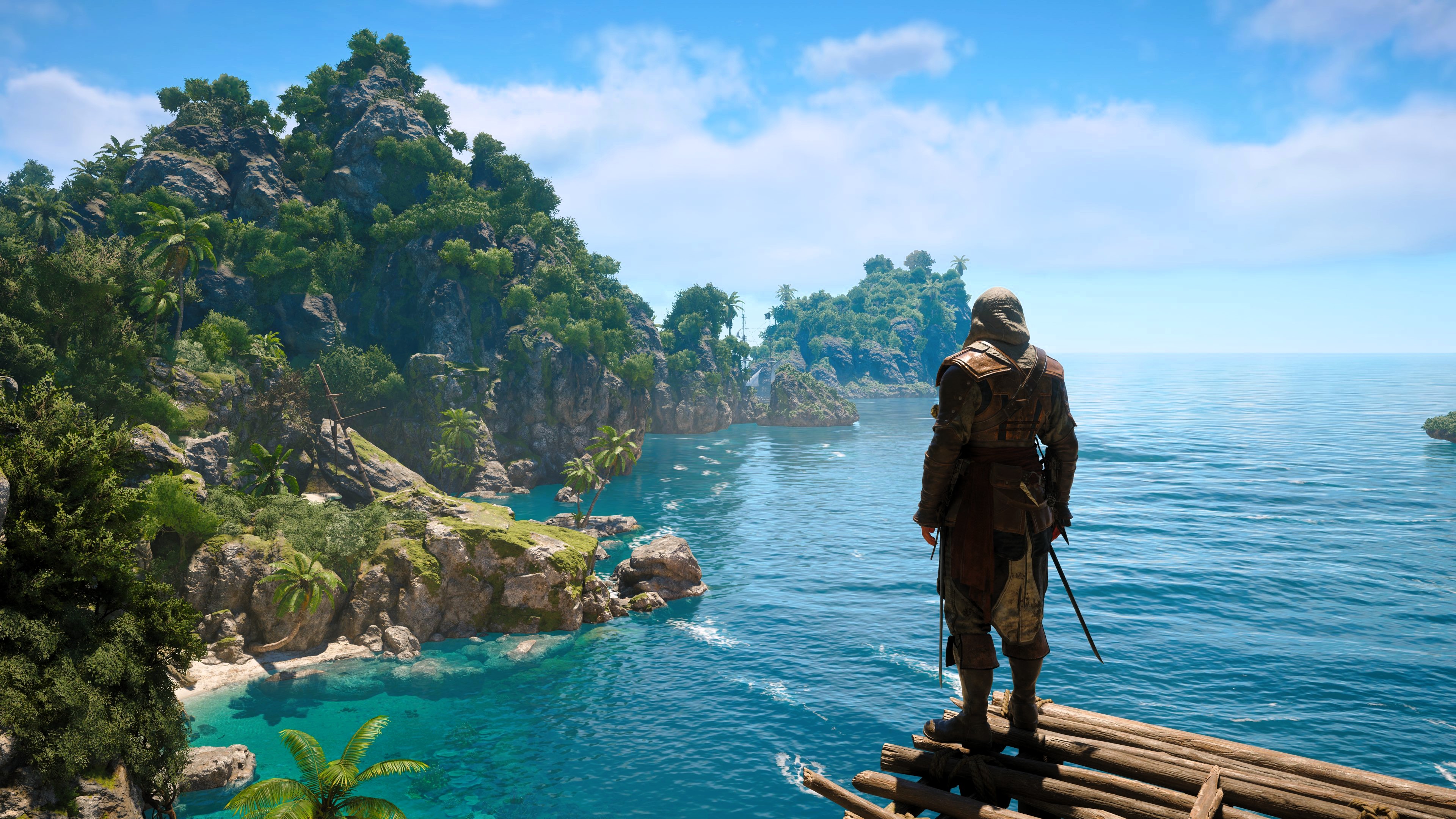
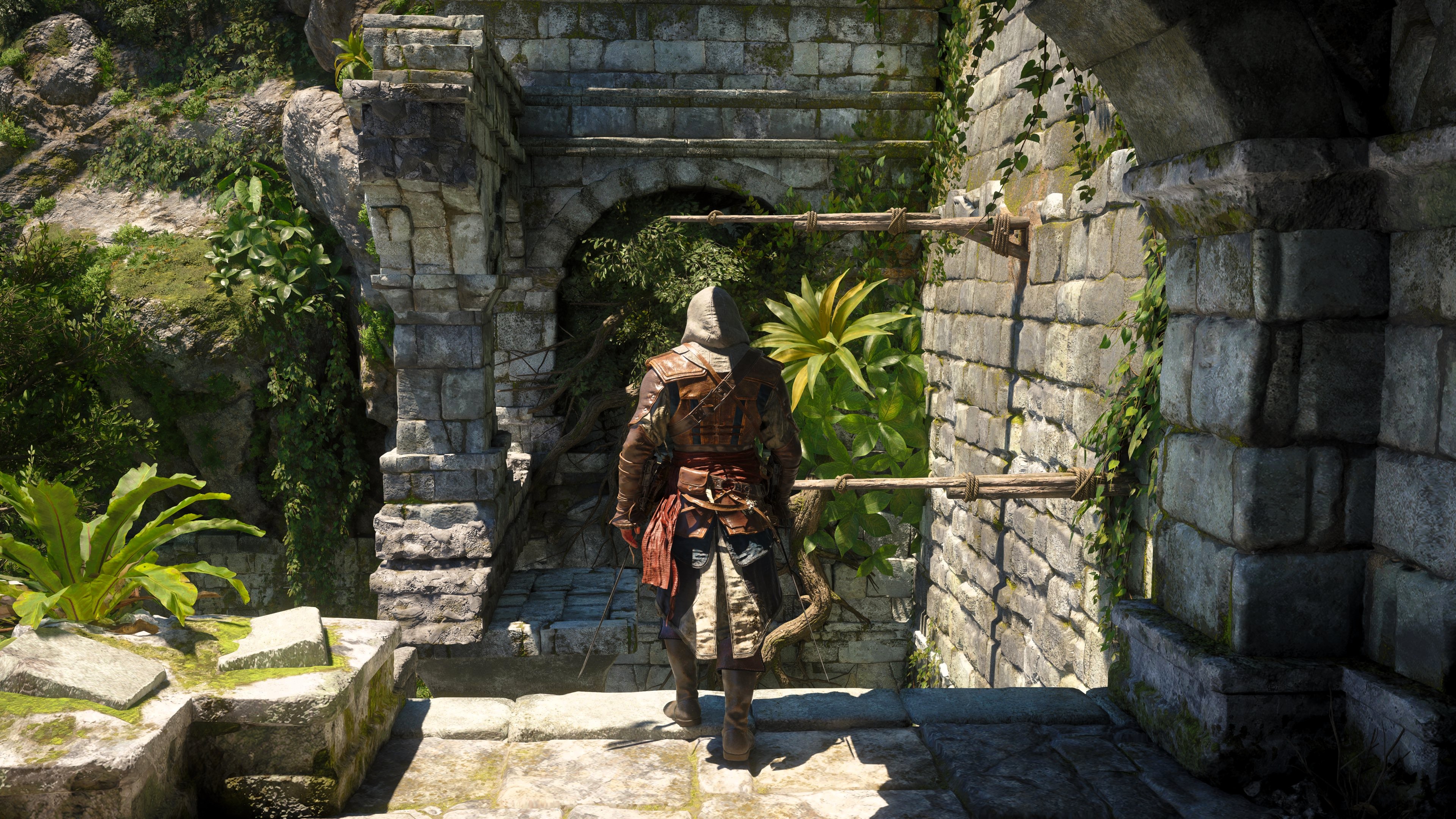
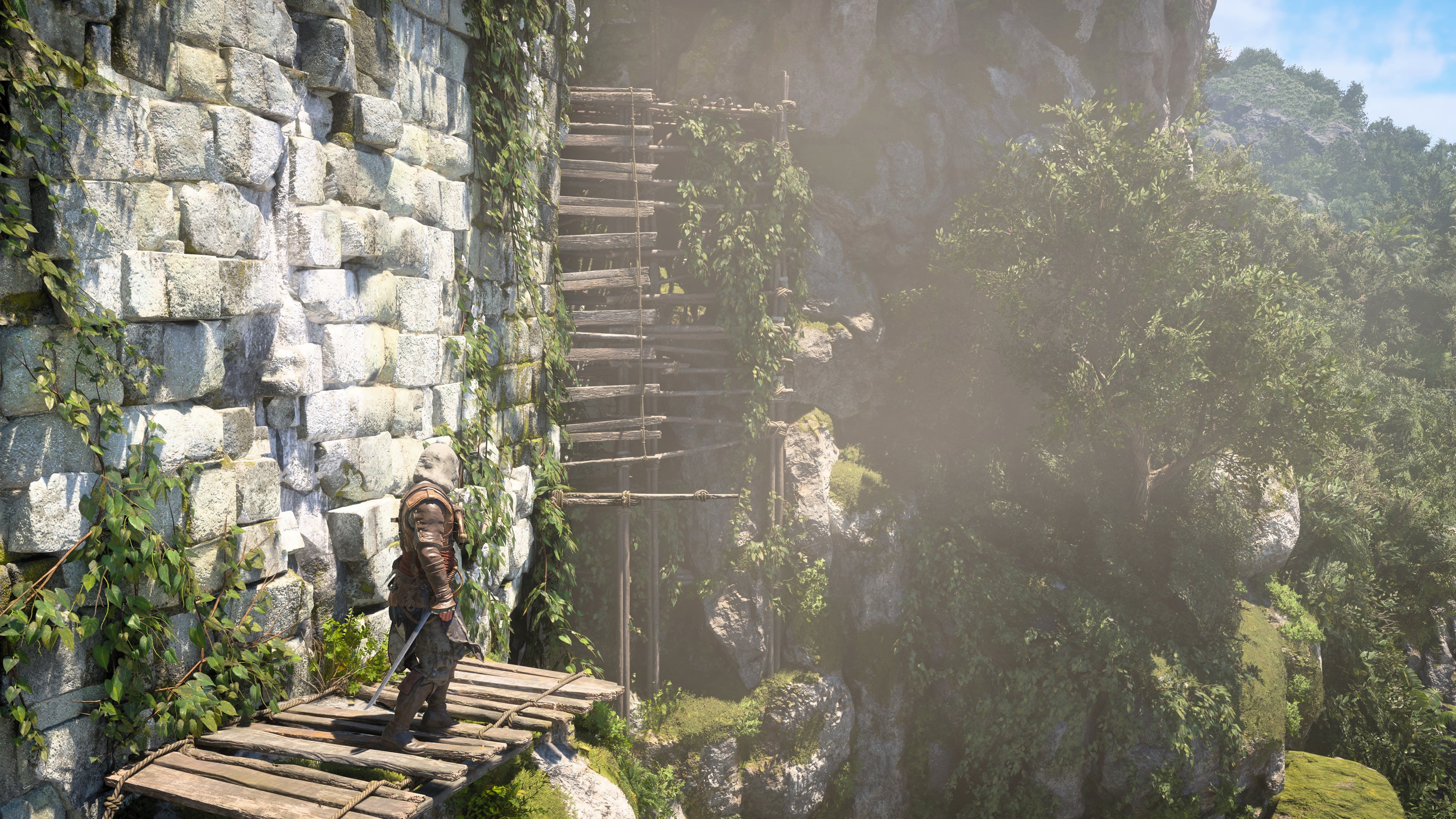
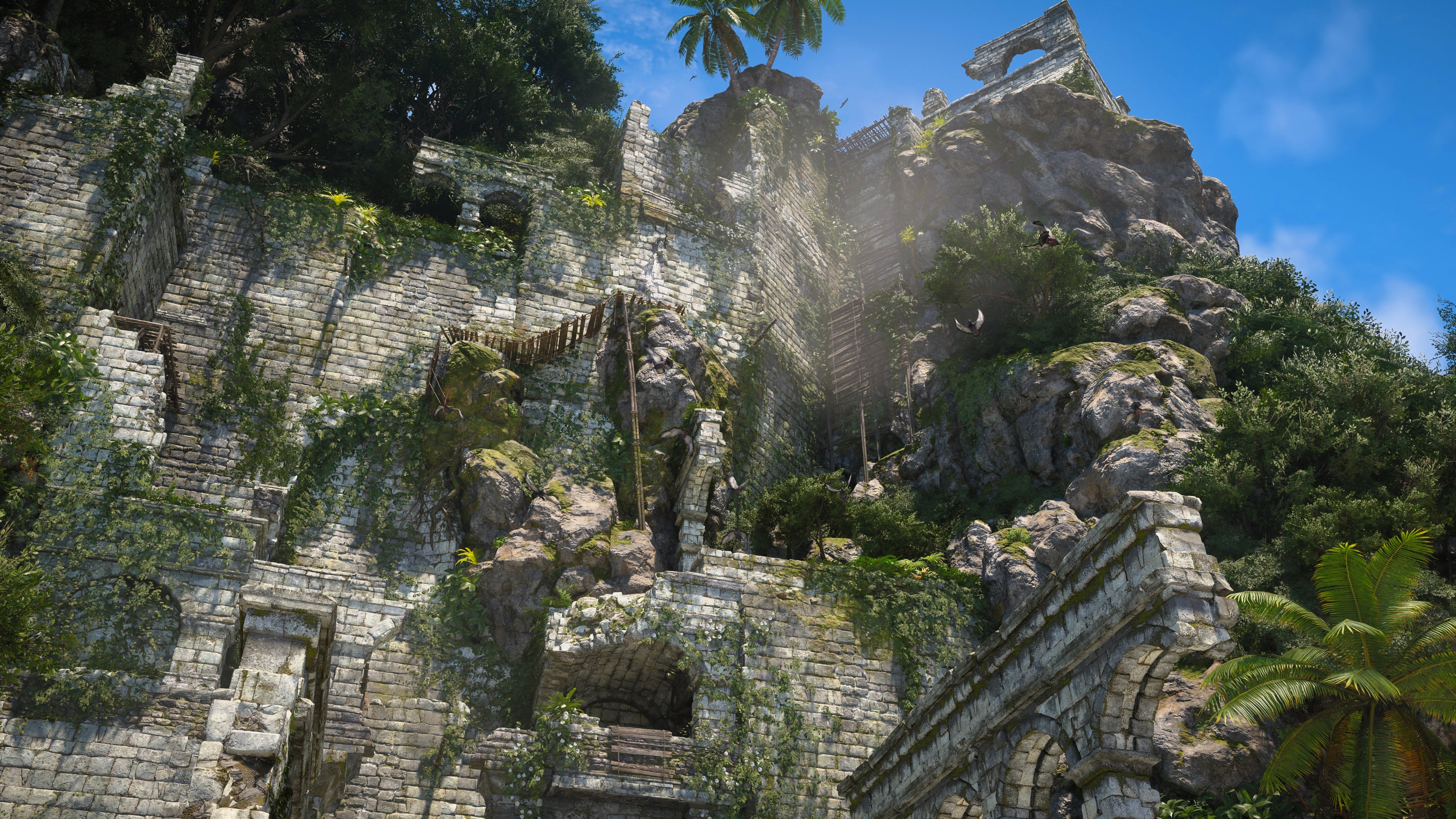
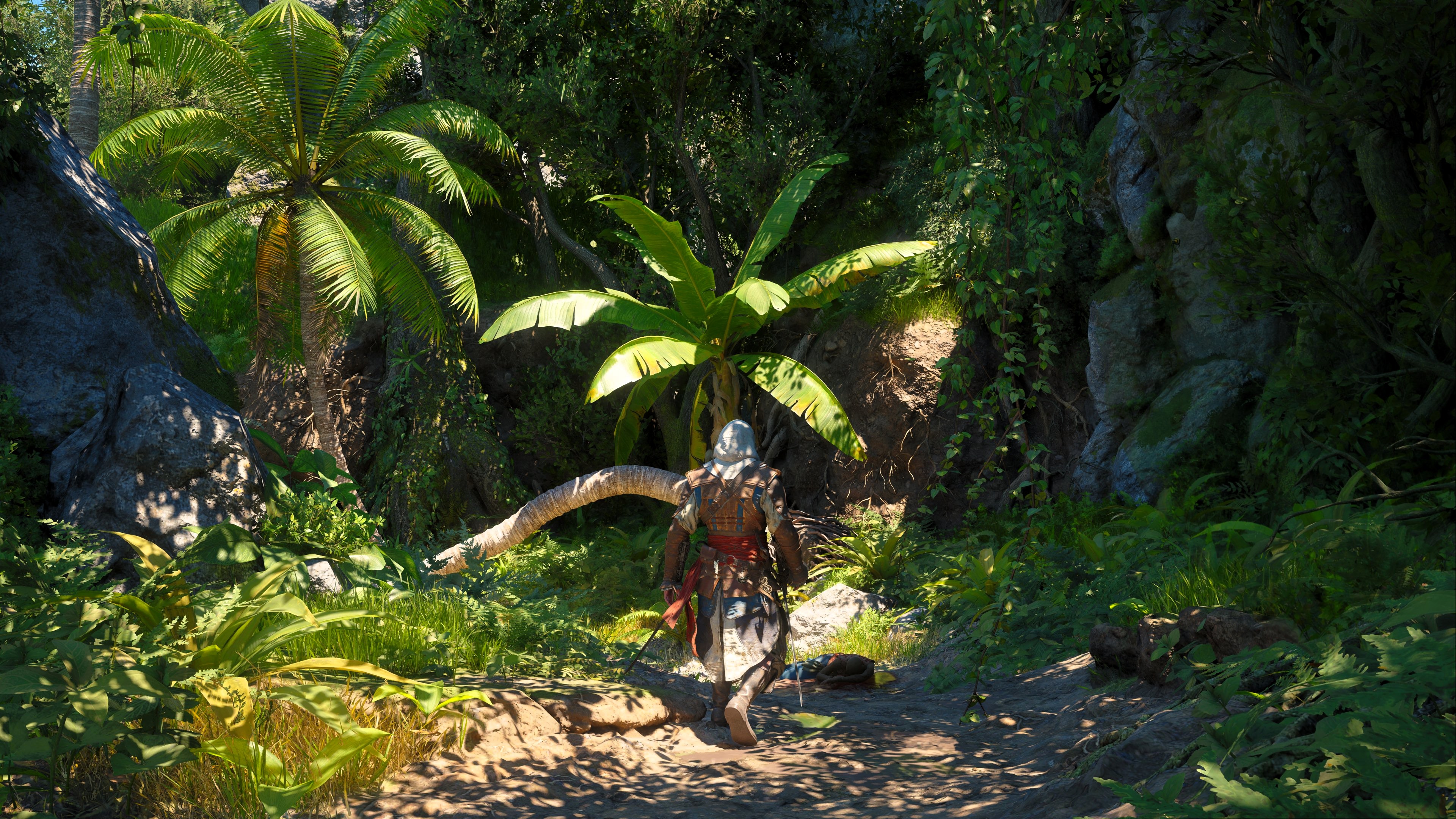
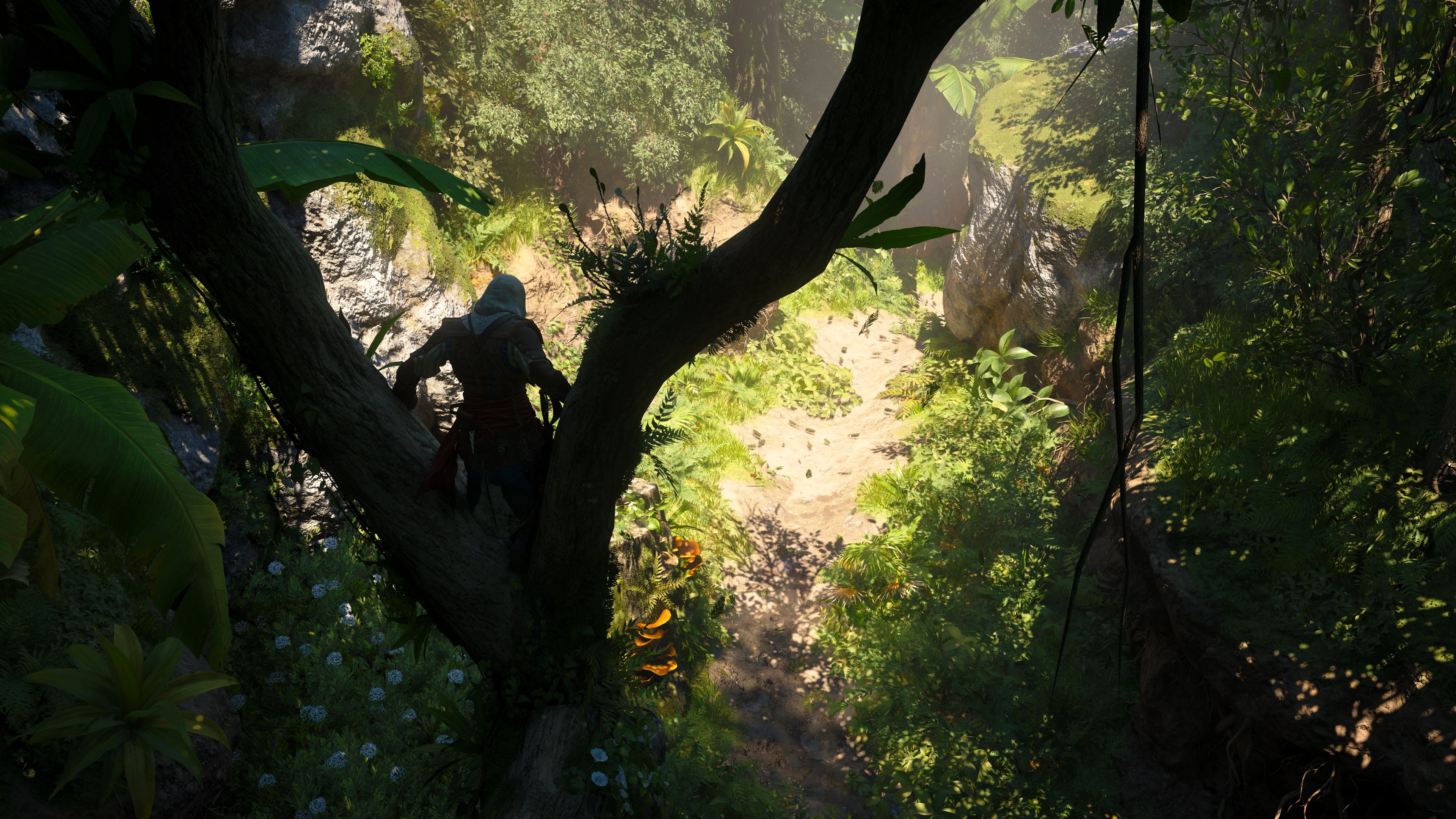
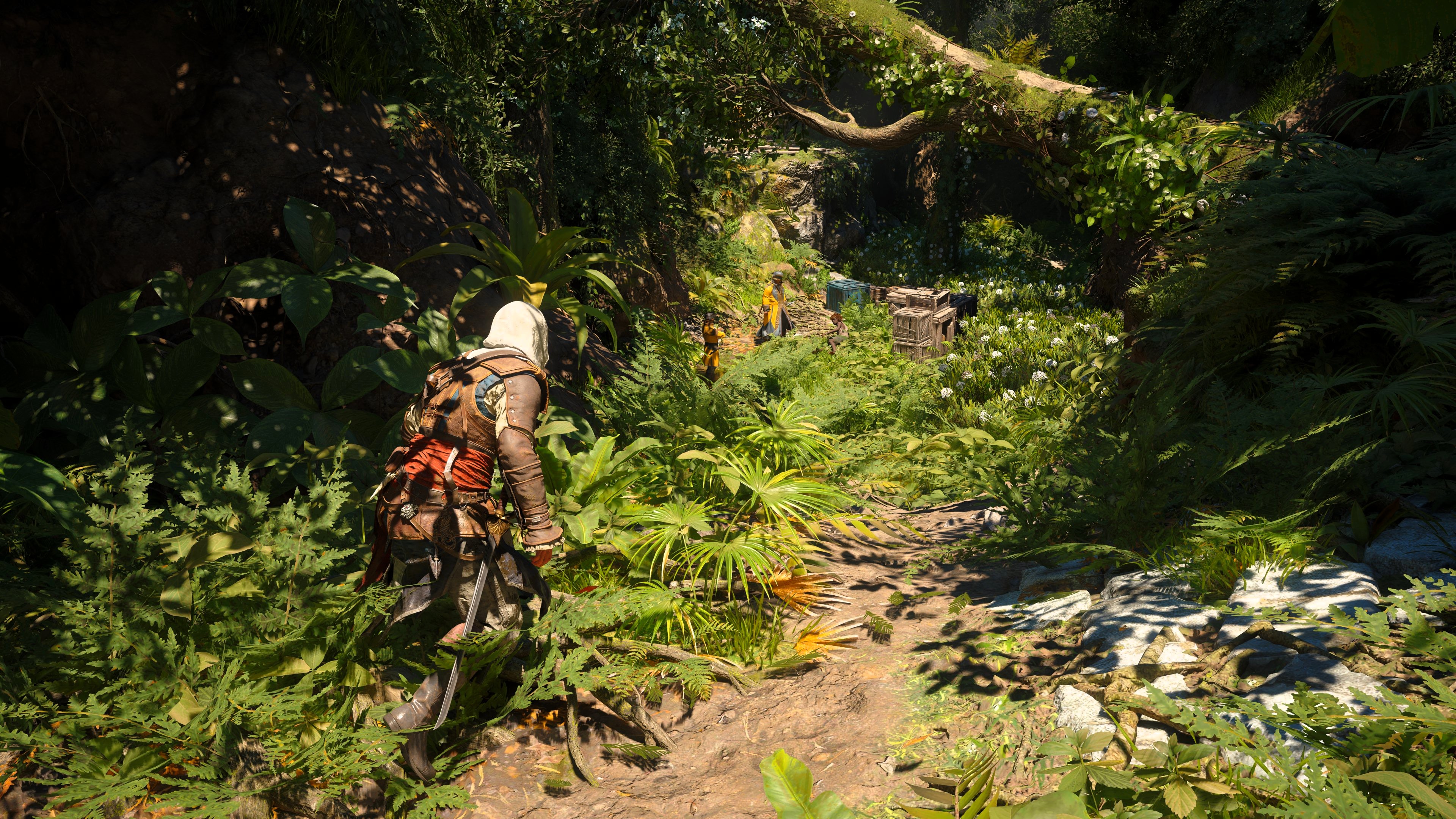
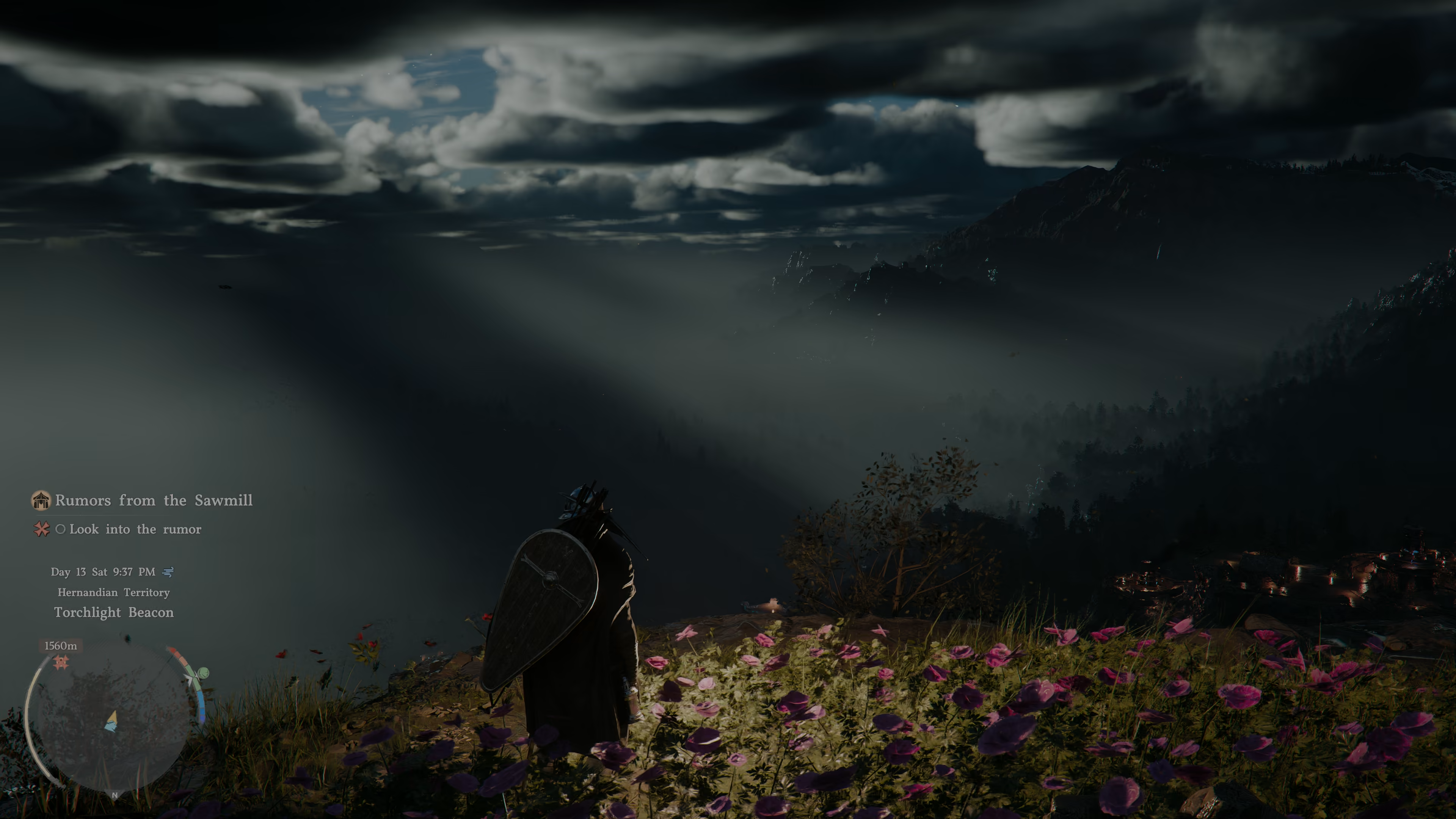
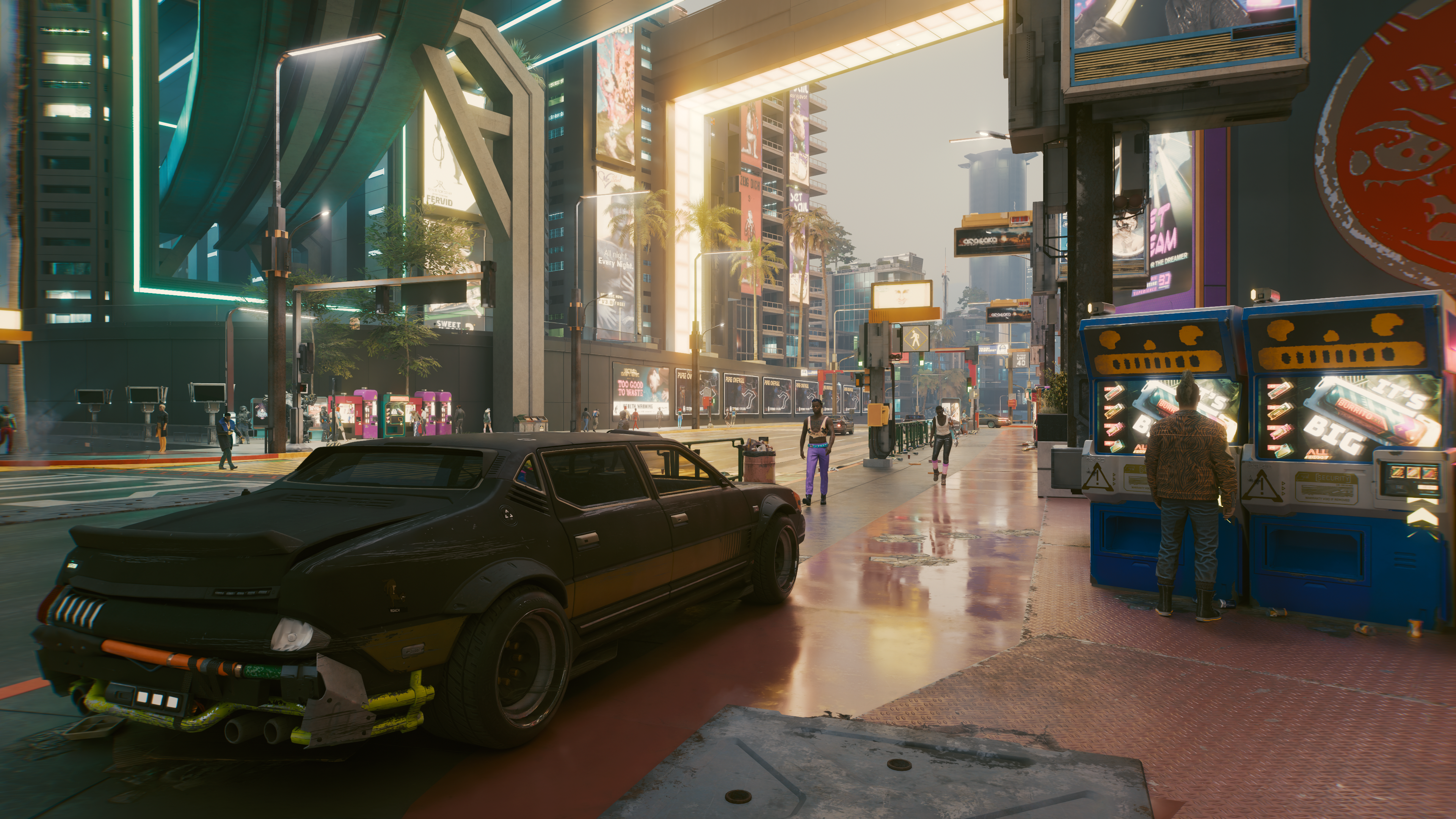
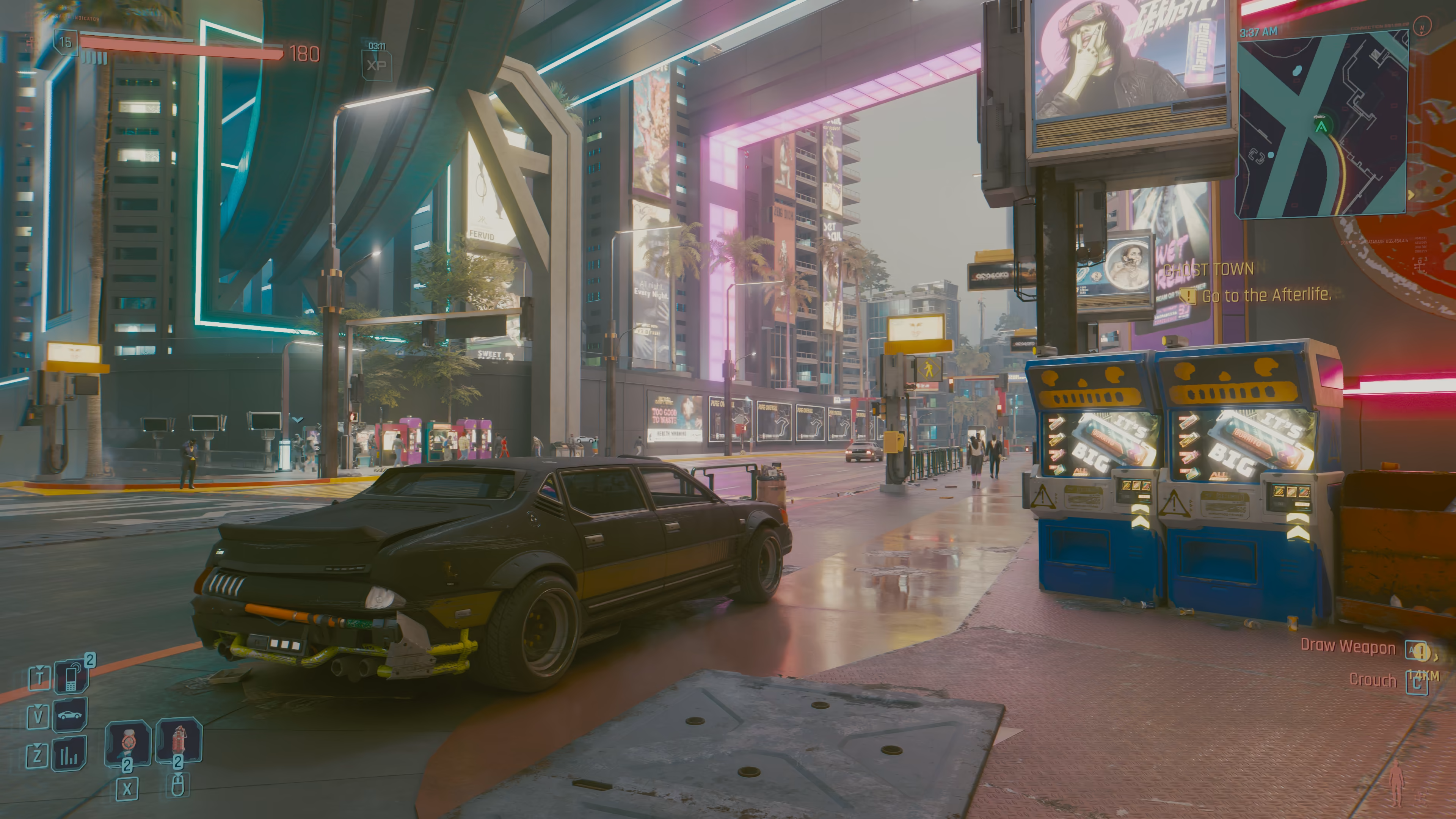
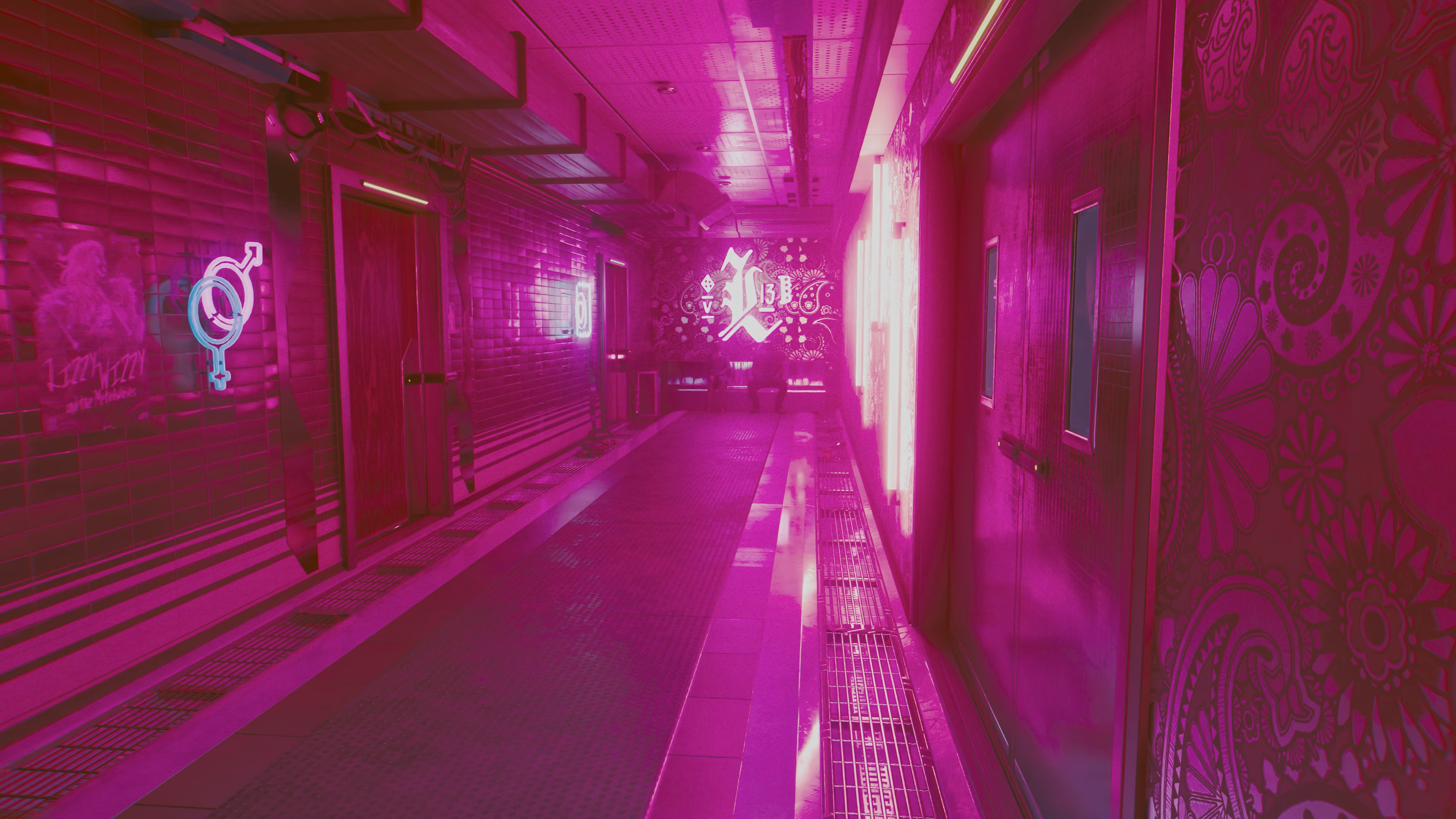
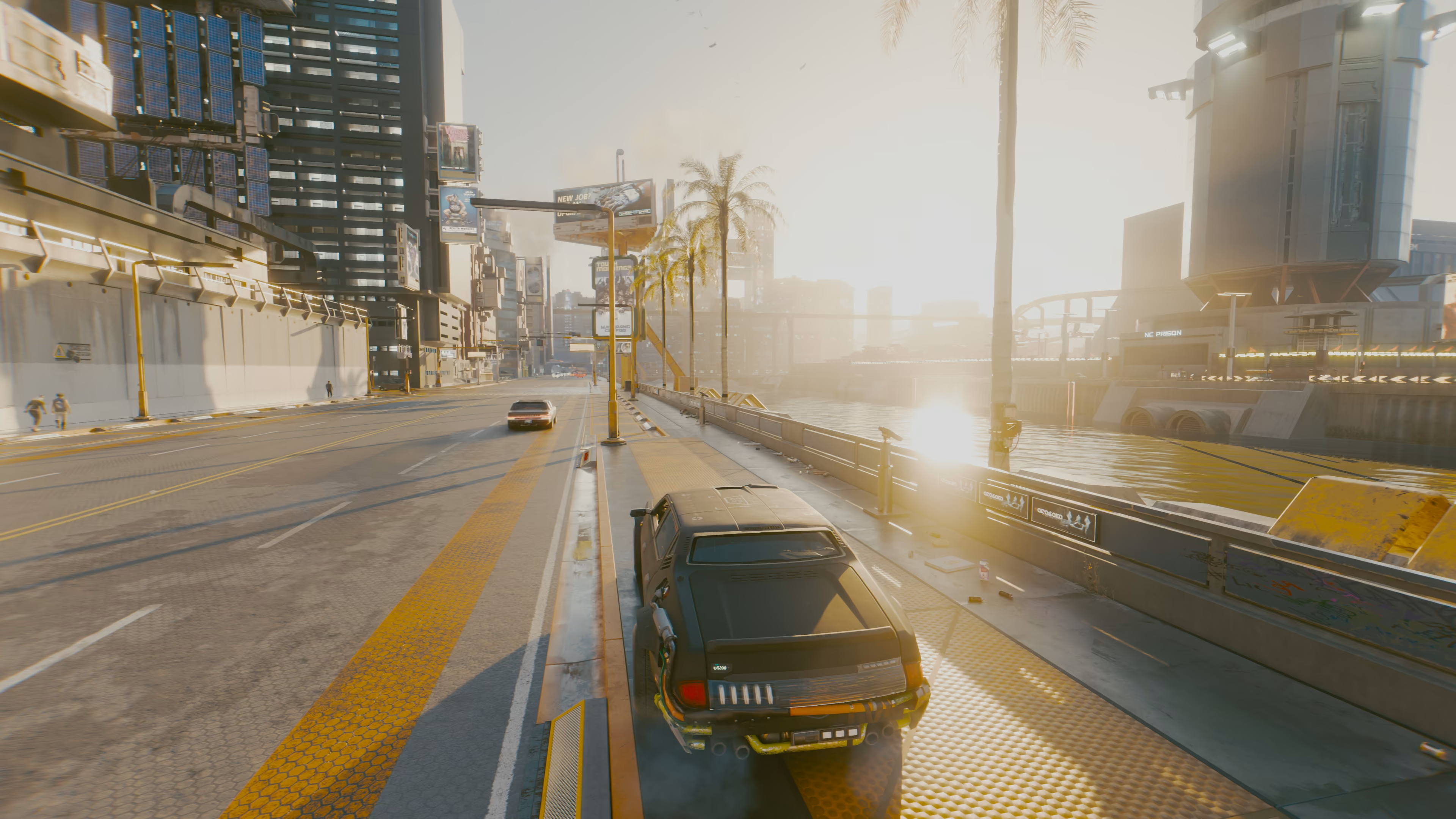
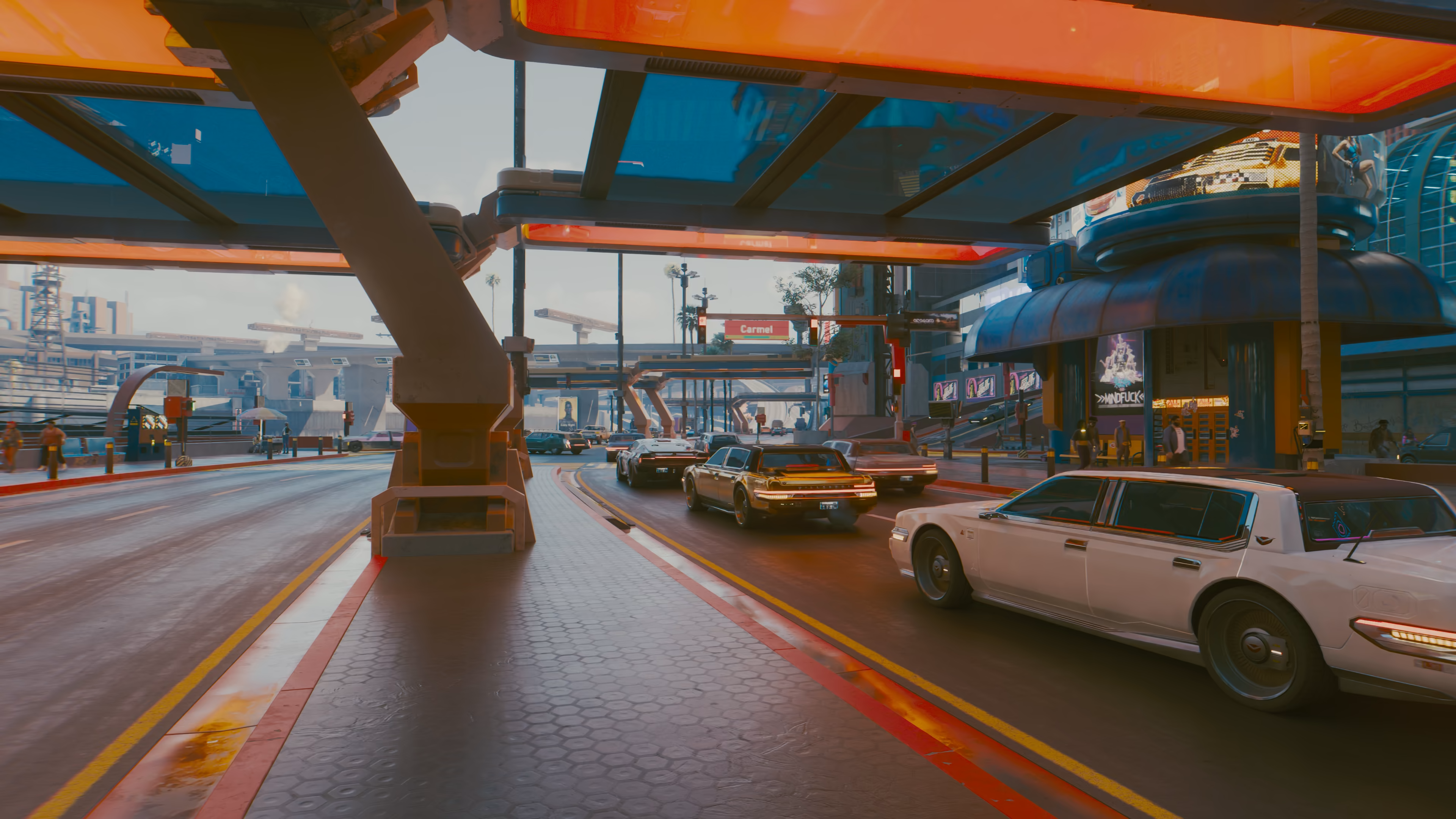
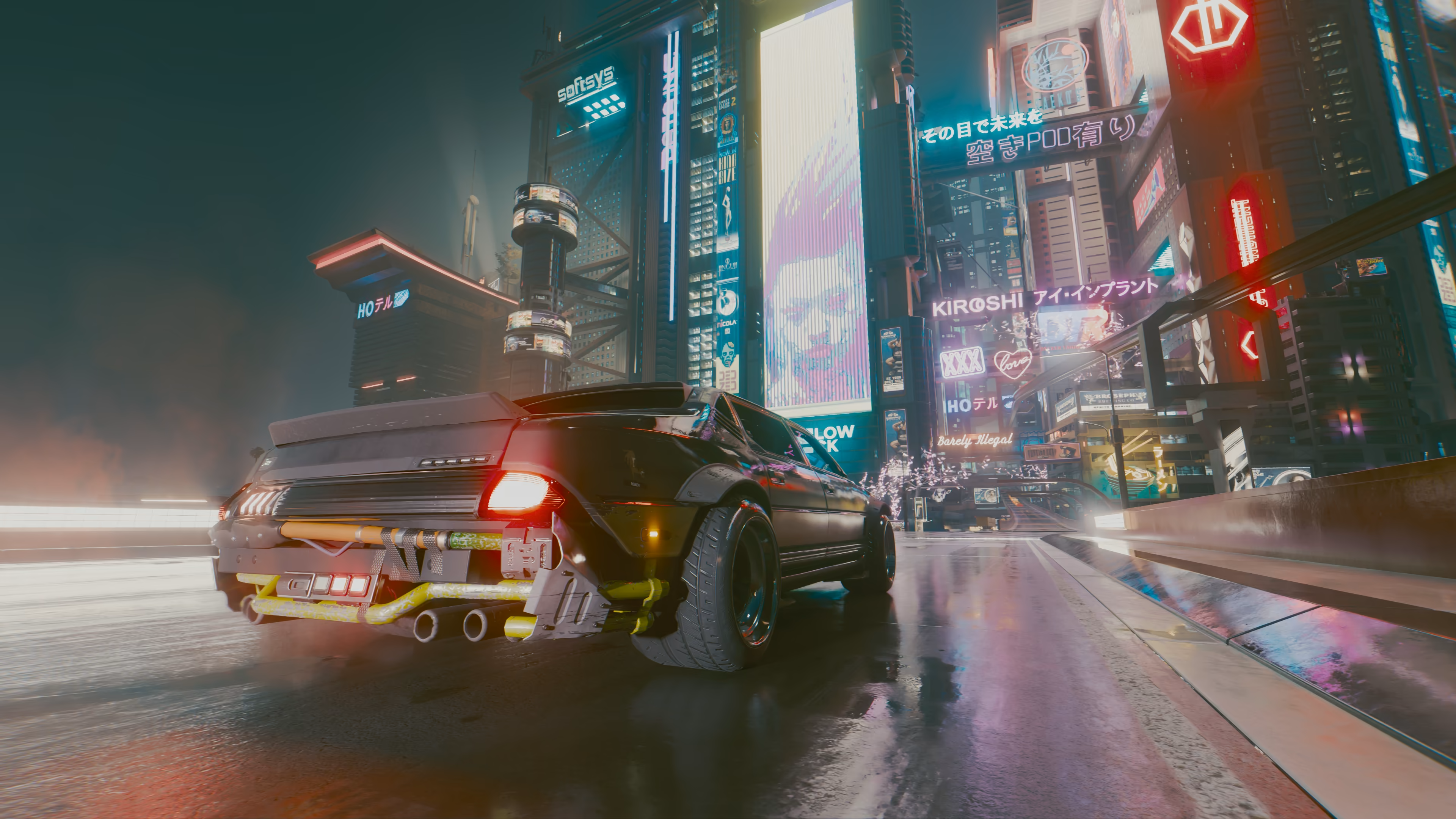
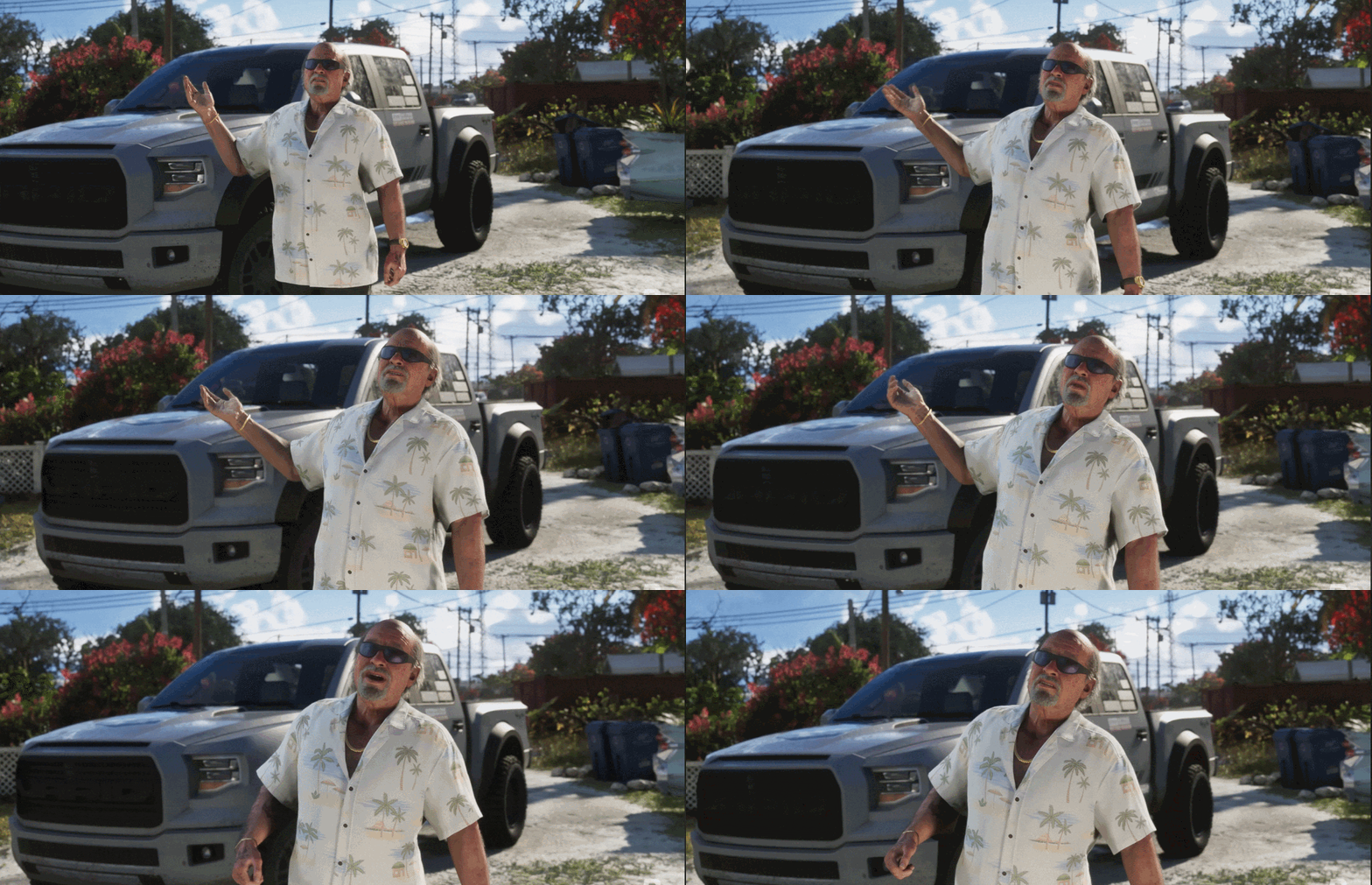
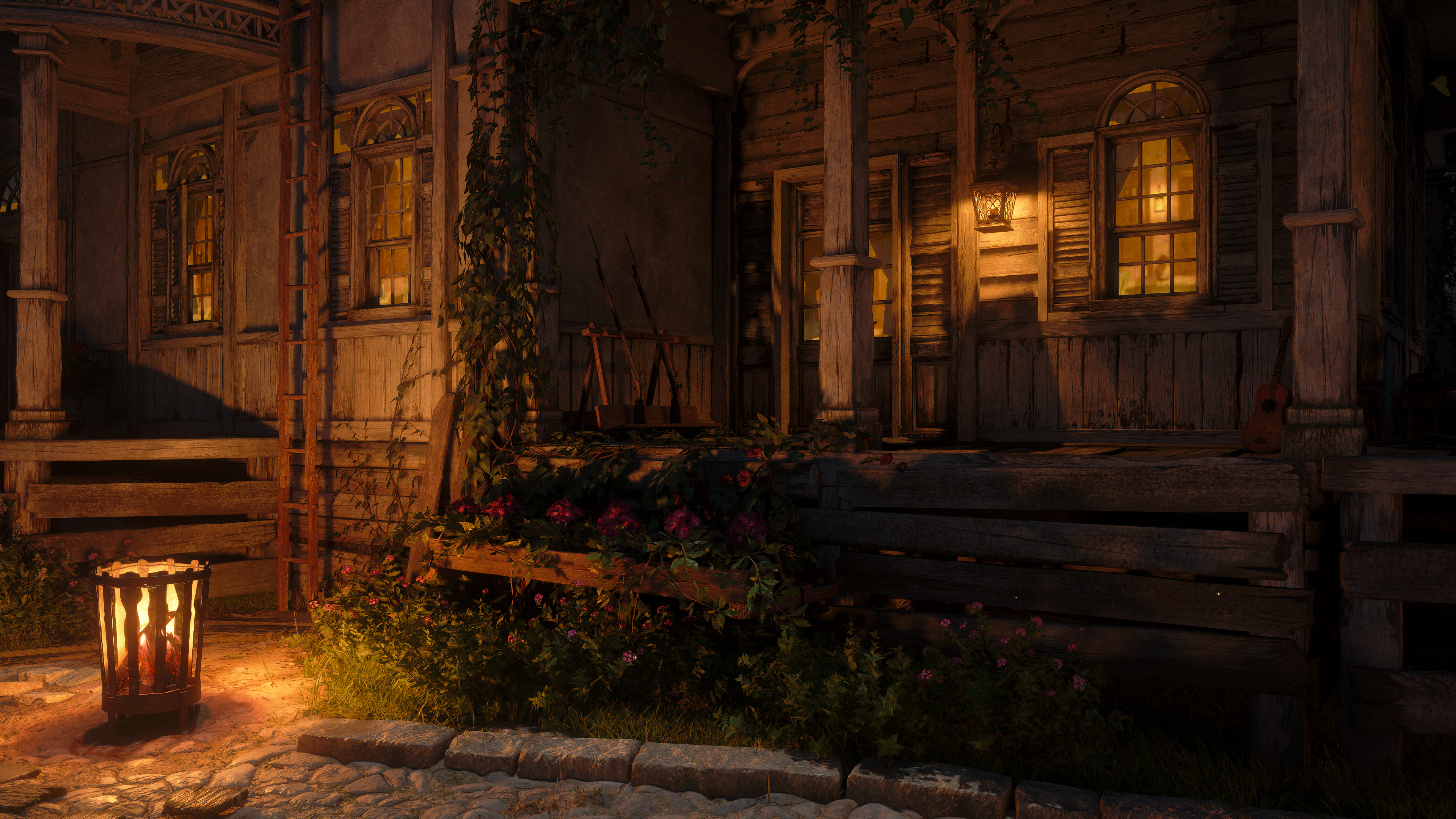
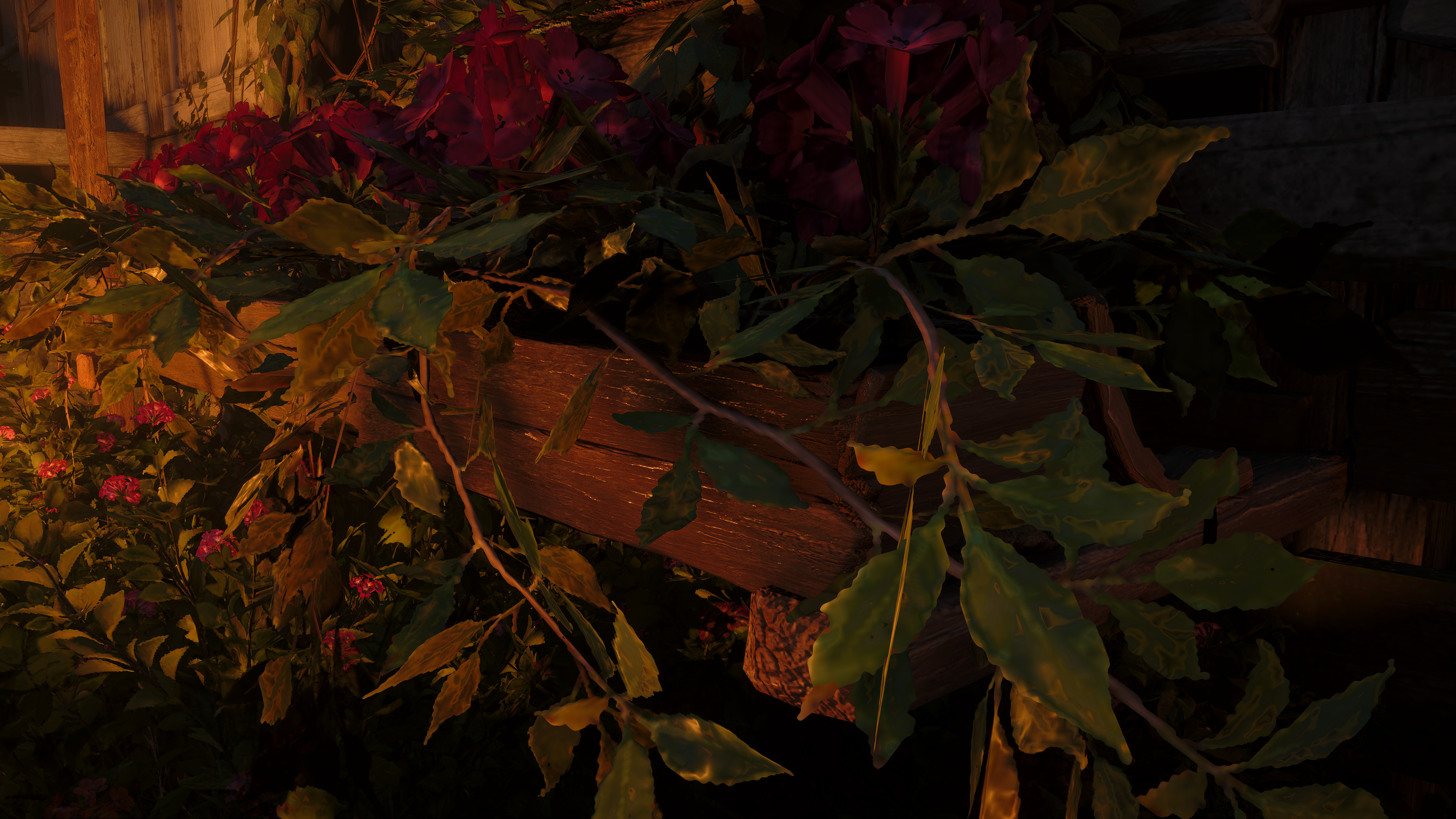
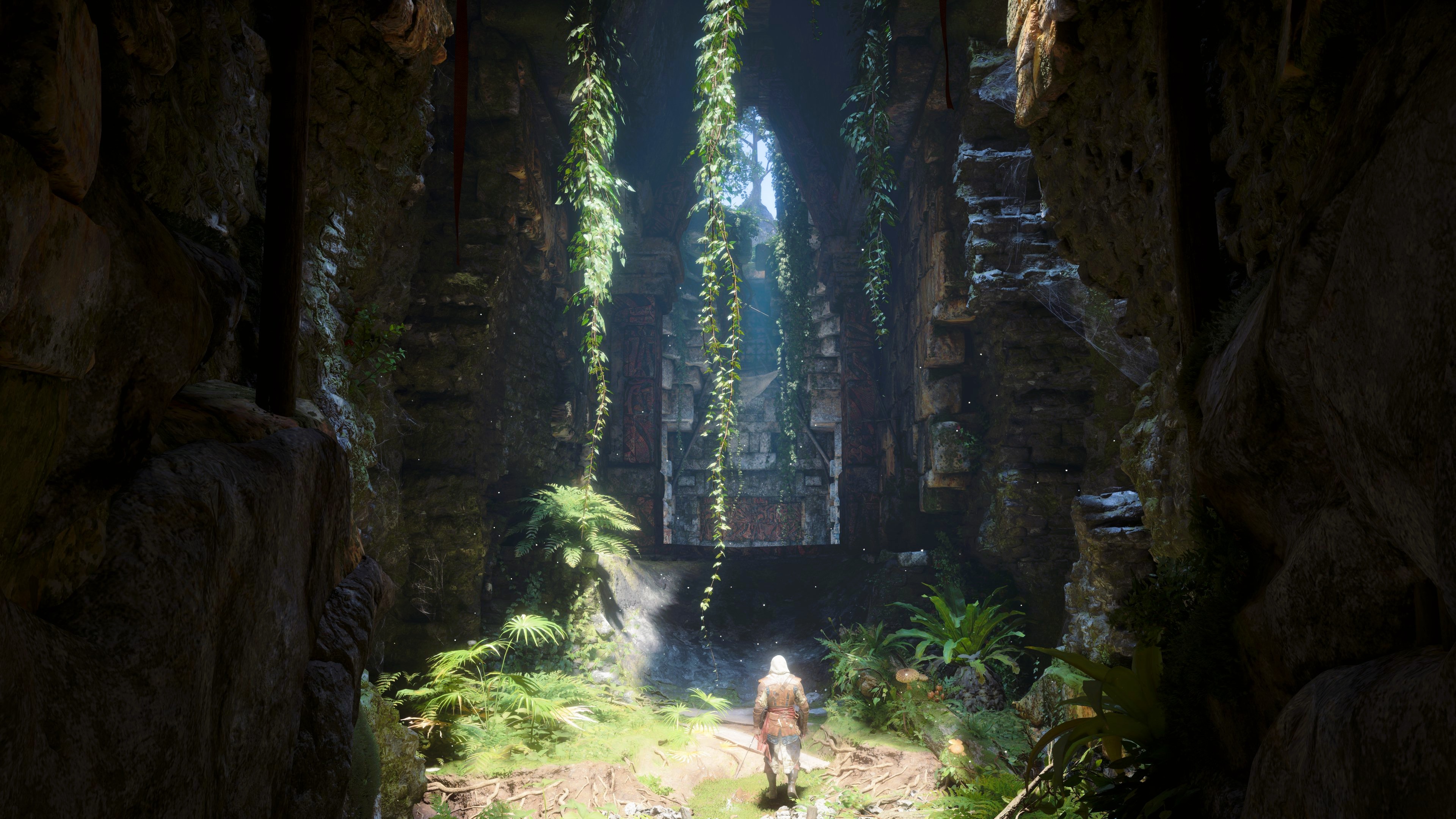
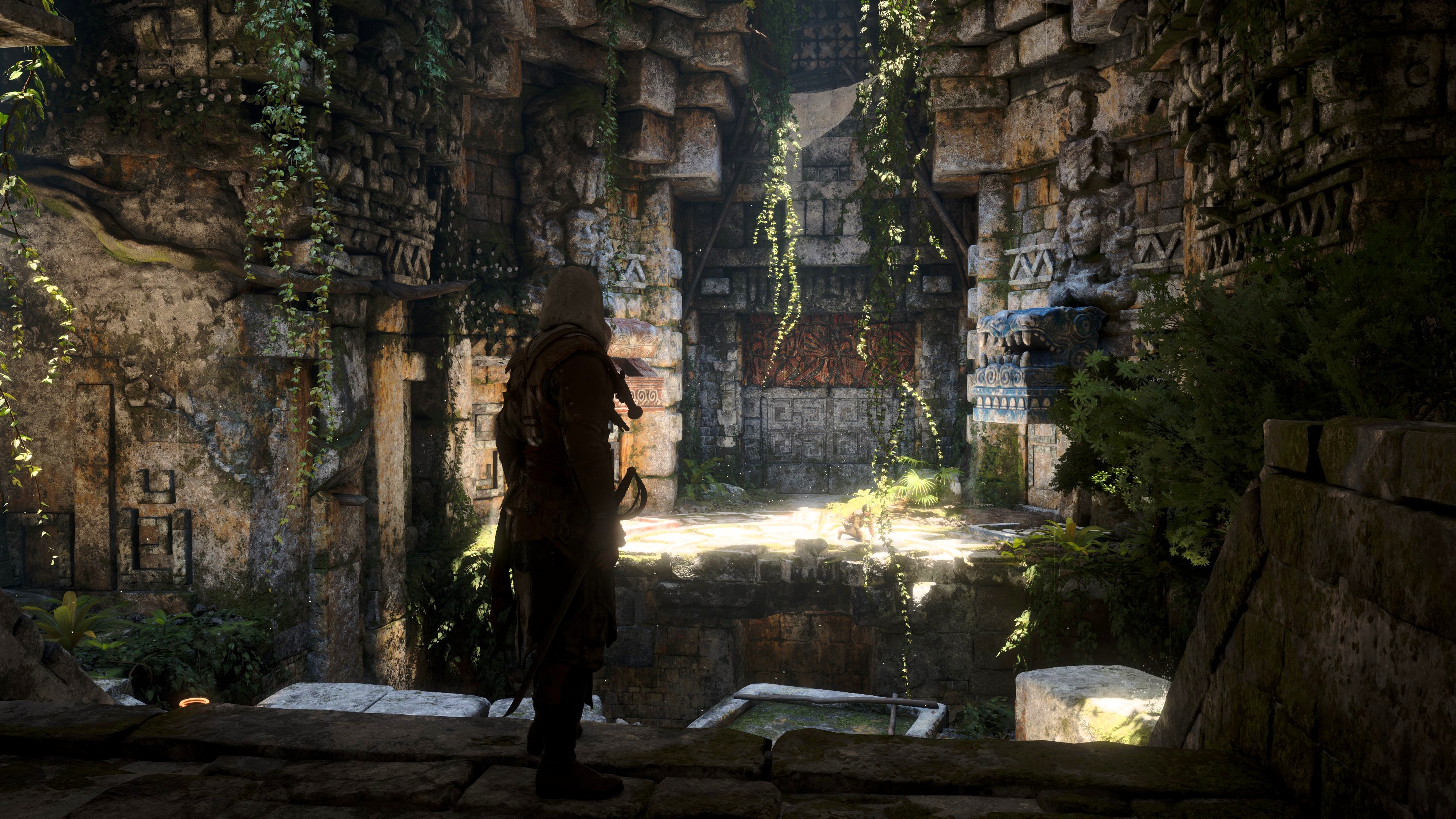
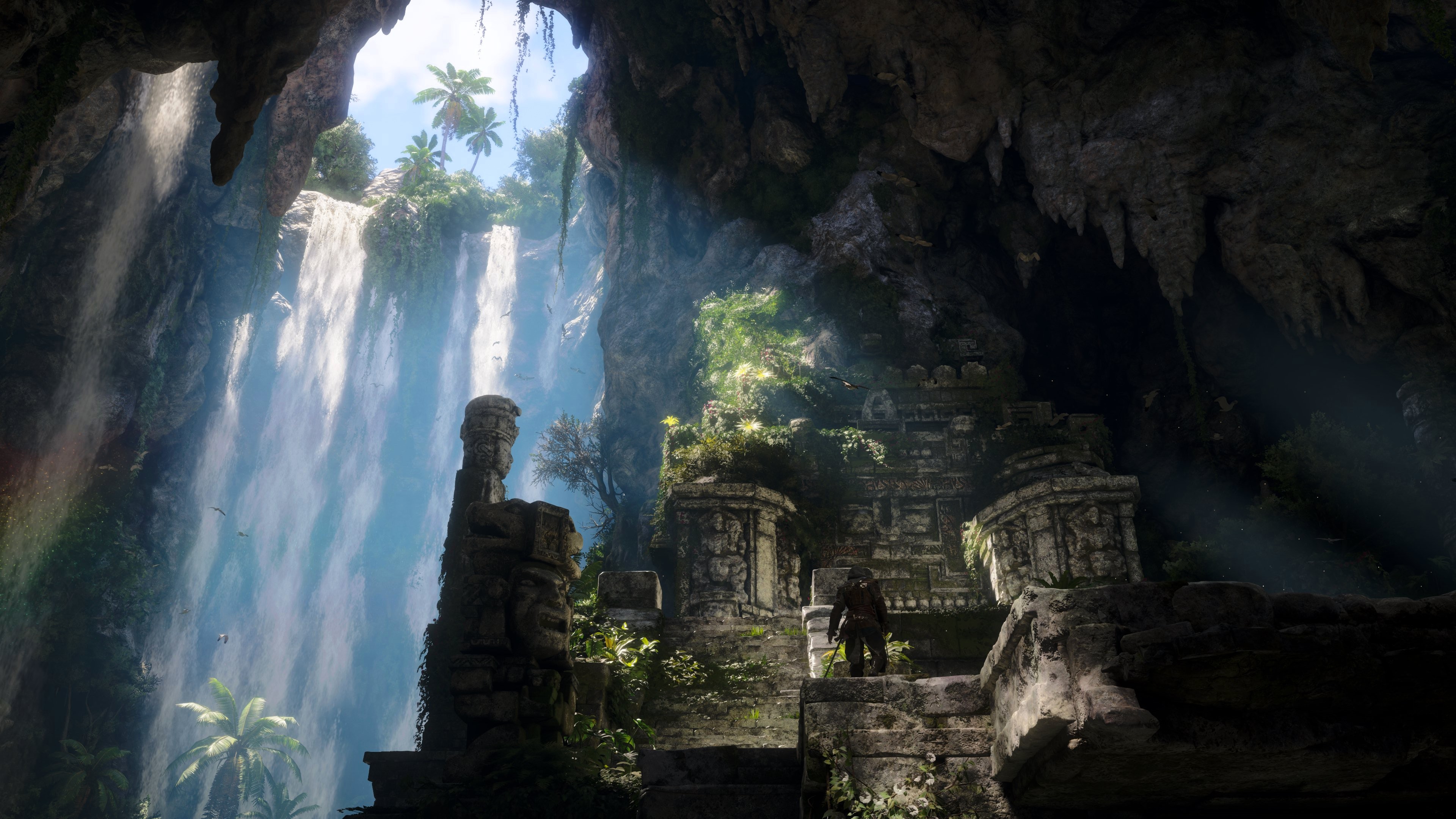
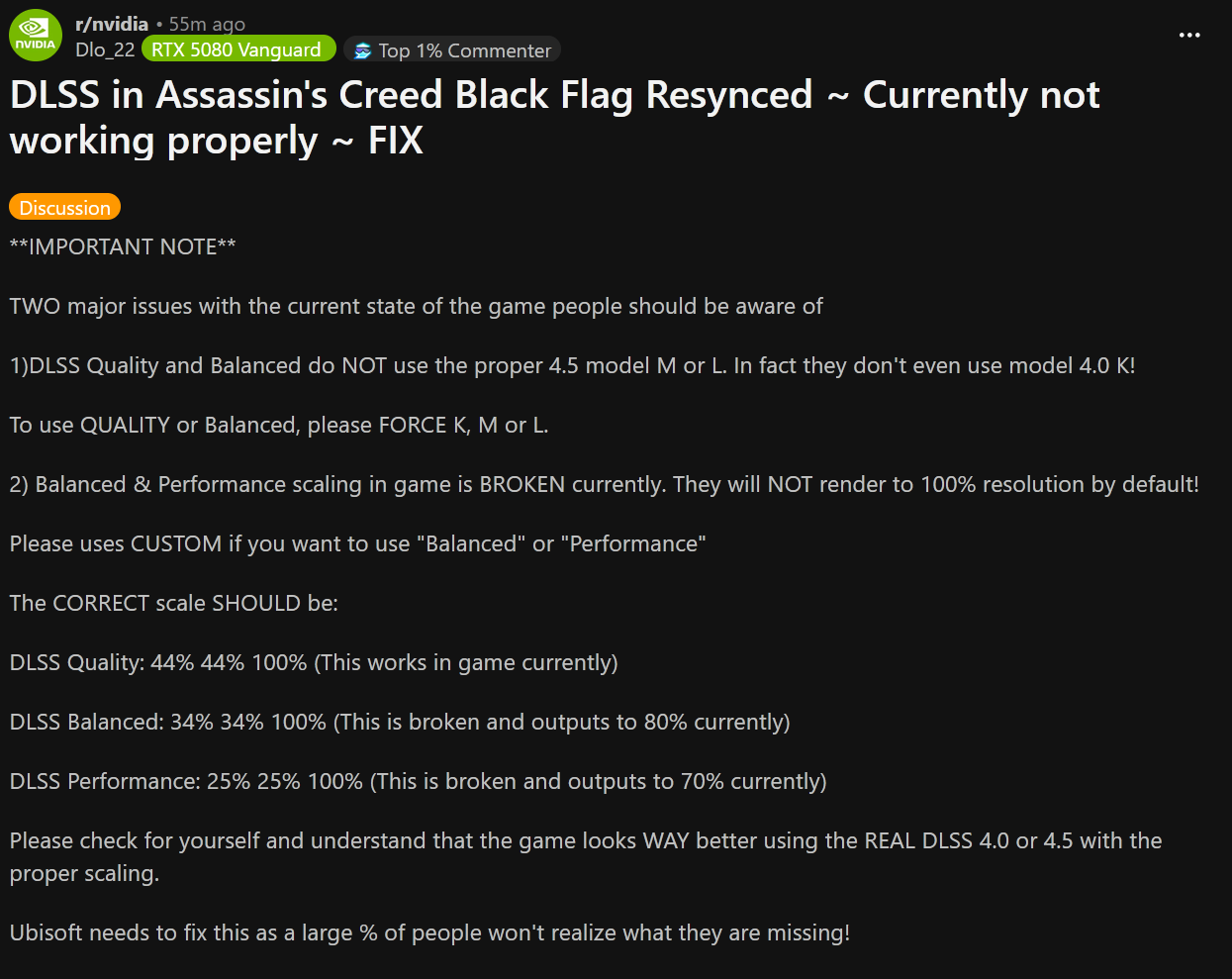
I'm not basing it on any technical knowledge at all - but wouldn't RTGI/PT in some cases make characters look worse than baked lighting? I know there was talk of it earlier in the thread and it made sense to me - because lets say we imagine Path tracing to be mimicking real life, but we're expecting pretty images like in a film, yet in a film you have to shape the light and framing to make the image look good, whereas in a video game you're just walking around with no control over that. So that makes me believe a good looking character model in a game that bases its lighting solely on RT or Pathtracing - will have a lot of areas where it looks not so good as a result. Not sure if I'm explaining correctly.
RT and PT are light
transport technologies. They are not actual lighting. If there are areas that don't look so good, then change the lighting accordingly. That's what they would do with baking too.
The issue you are talking about where you have no control of the character position and camera in game applies to baked lighting too. So why would baked lighting be any better than RTGI in that case? You have no control either way. In fact, baked lighting does nothing for the moving character. Baking is meant for static assets. Not dynamic assets. It is limited by design.
It all comes down to what lighting system the art direction was originally done with. RT/PT
could make it worse if the art direction was
not done for the RT/PT version of the game and was lazily bolted on. When your art direction is made with baked lighting first and then you bolt on a different lighting system, it needs to go through art direction again. RE requiem had this issue for the PT version as the lighting changes were too drastic and they had to iterate several times and get approval from the art team every step of the way. TW3 had a few instances where it did not go through art direction. They removed the fake lights in a cave along with the baked lighting, making the cave too dark for the RT version of the cutscene. The characters were just speaking in pitch darkness and you couldn't even see their faces. This is not a technical issue though. If there is no light, you get darkness right? But a game so vast in scope is bound to have misses when RTGI is bolted on after the fact. The right way to do it would be to relight the scene so they can replicate the same overall look that aligns with the original artistic intent. And if they fail to do that, that's a failure of art direction. Not technology.
Another possibility is performance issues forcing them to make cutbacks. Like fps dropping too much. So they remove some lights to regain performance, or downgrade asset quality. But that's different from the issue we are talking about, which is achieving the artistic vision. We all know RT/PT costs more at runtime than baking. So that could always be a reason for compromises.
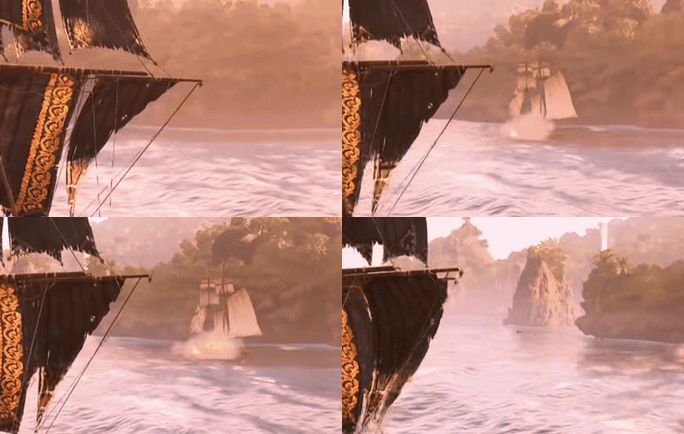
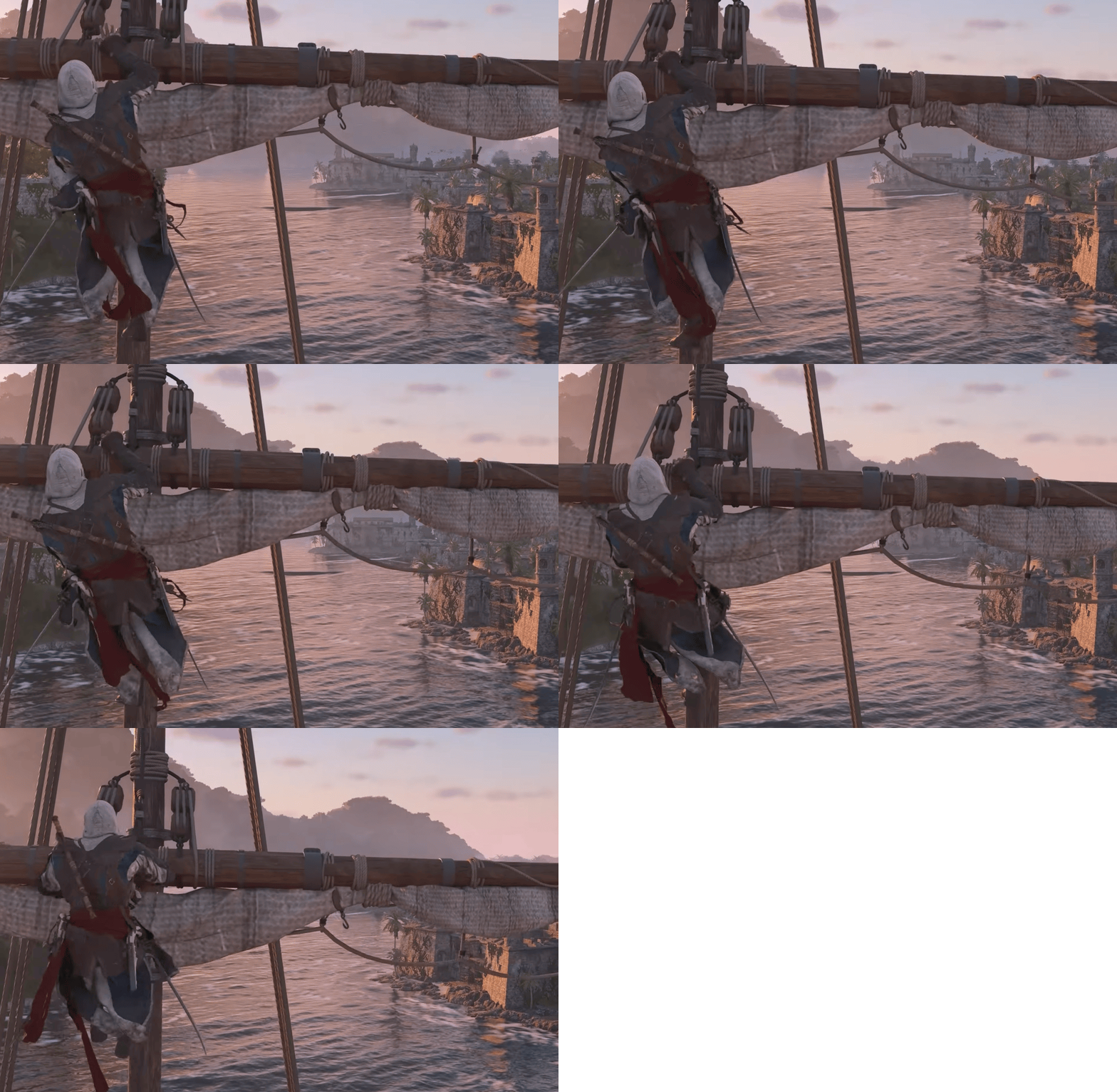
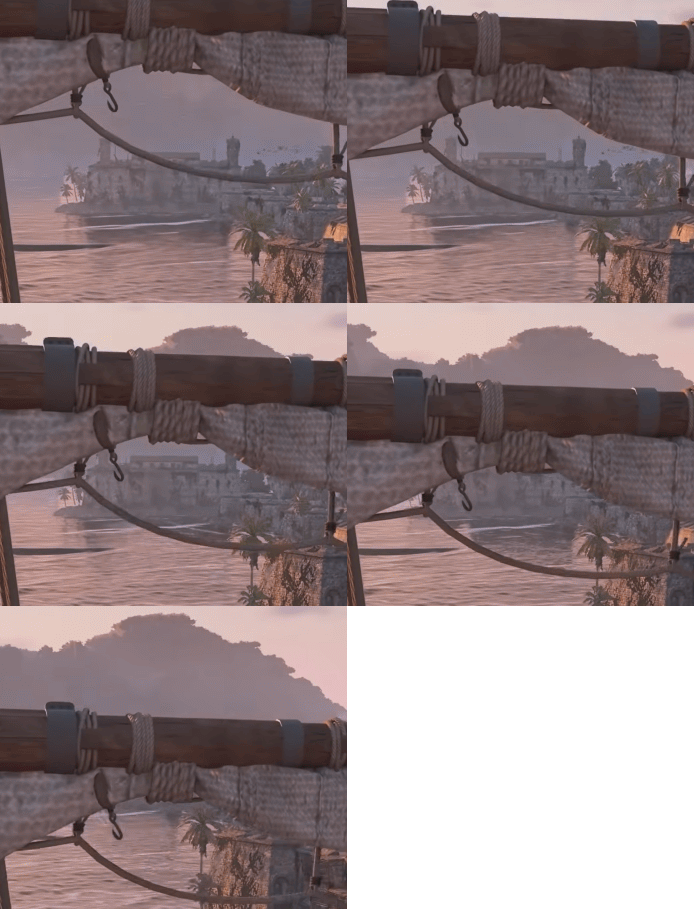
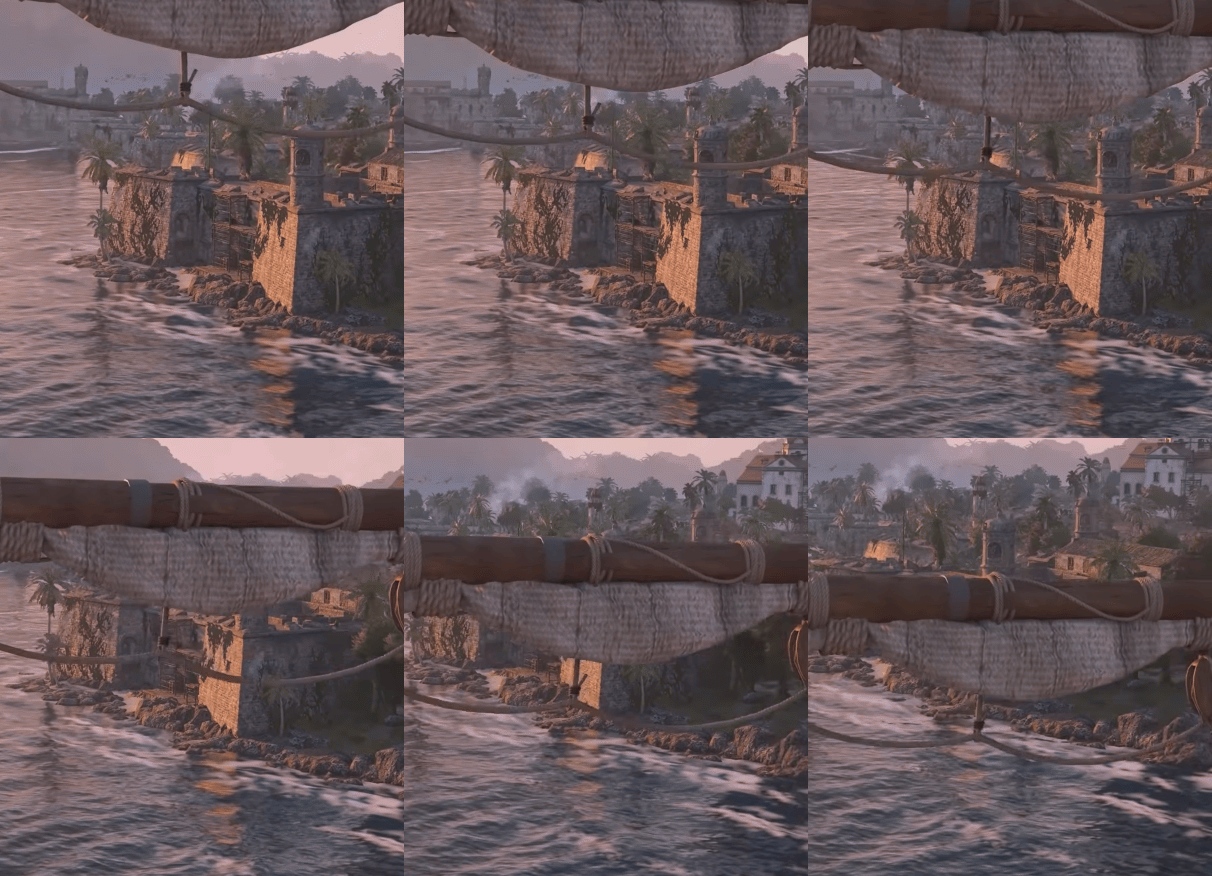
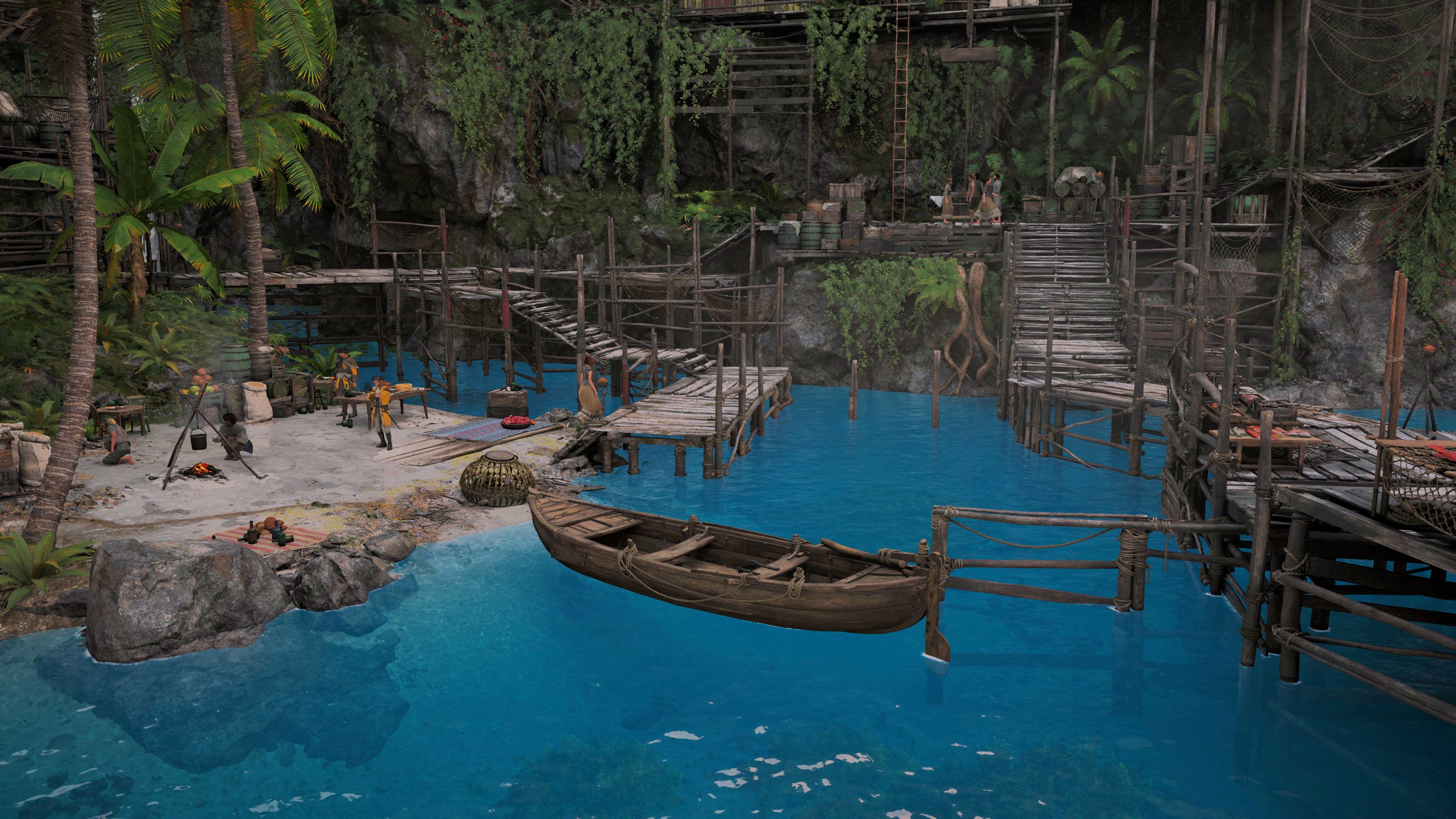
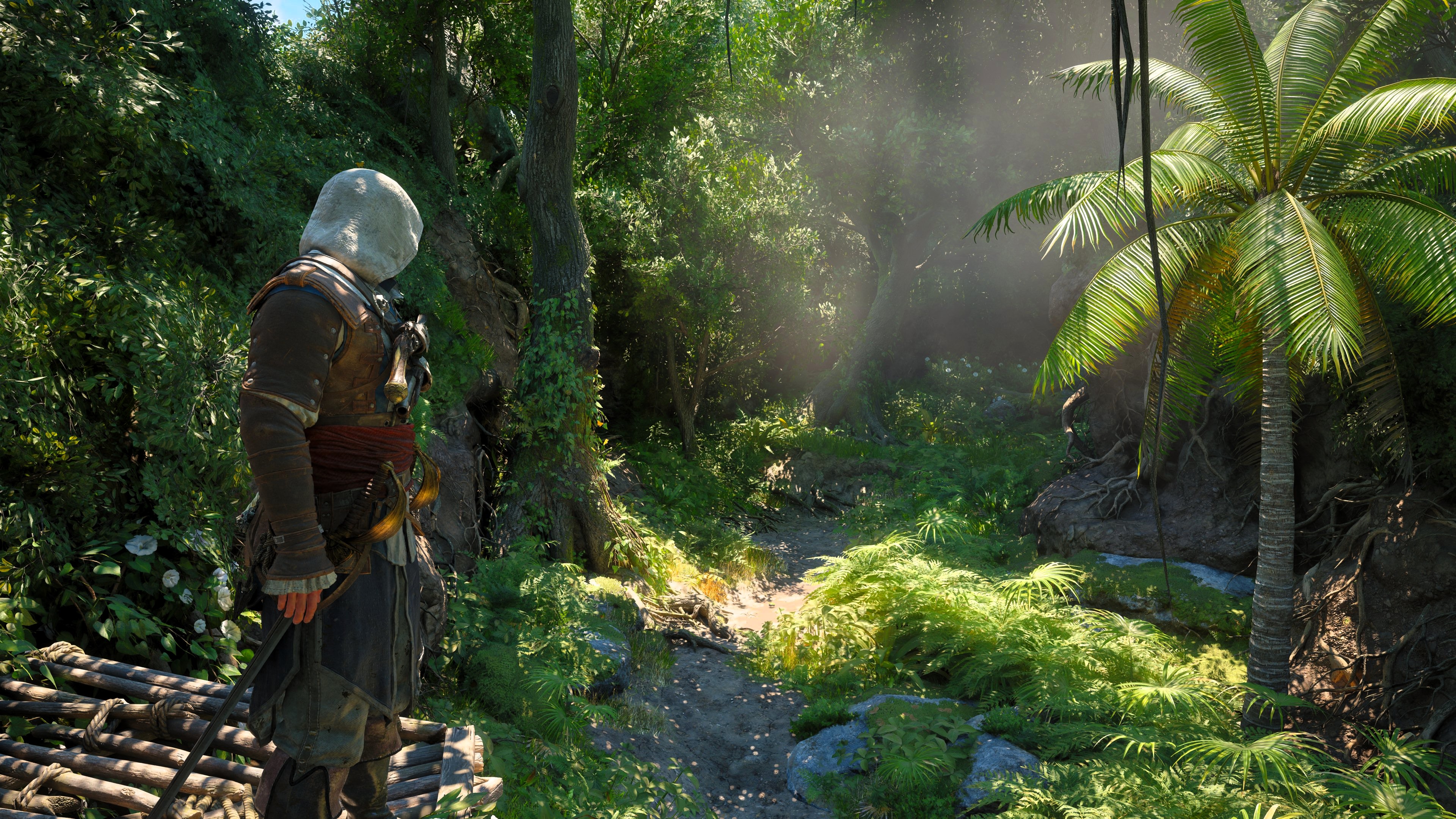
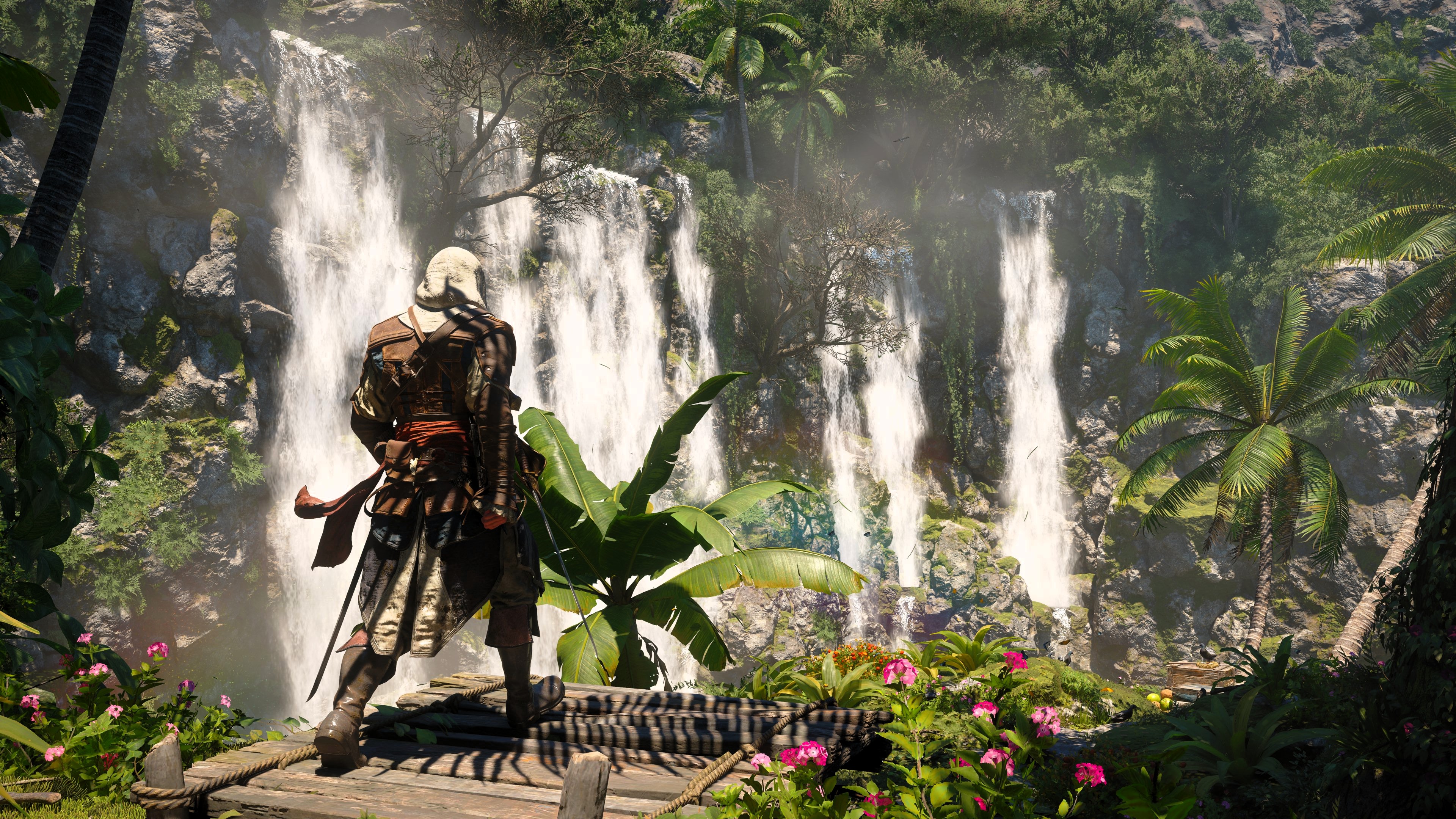
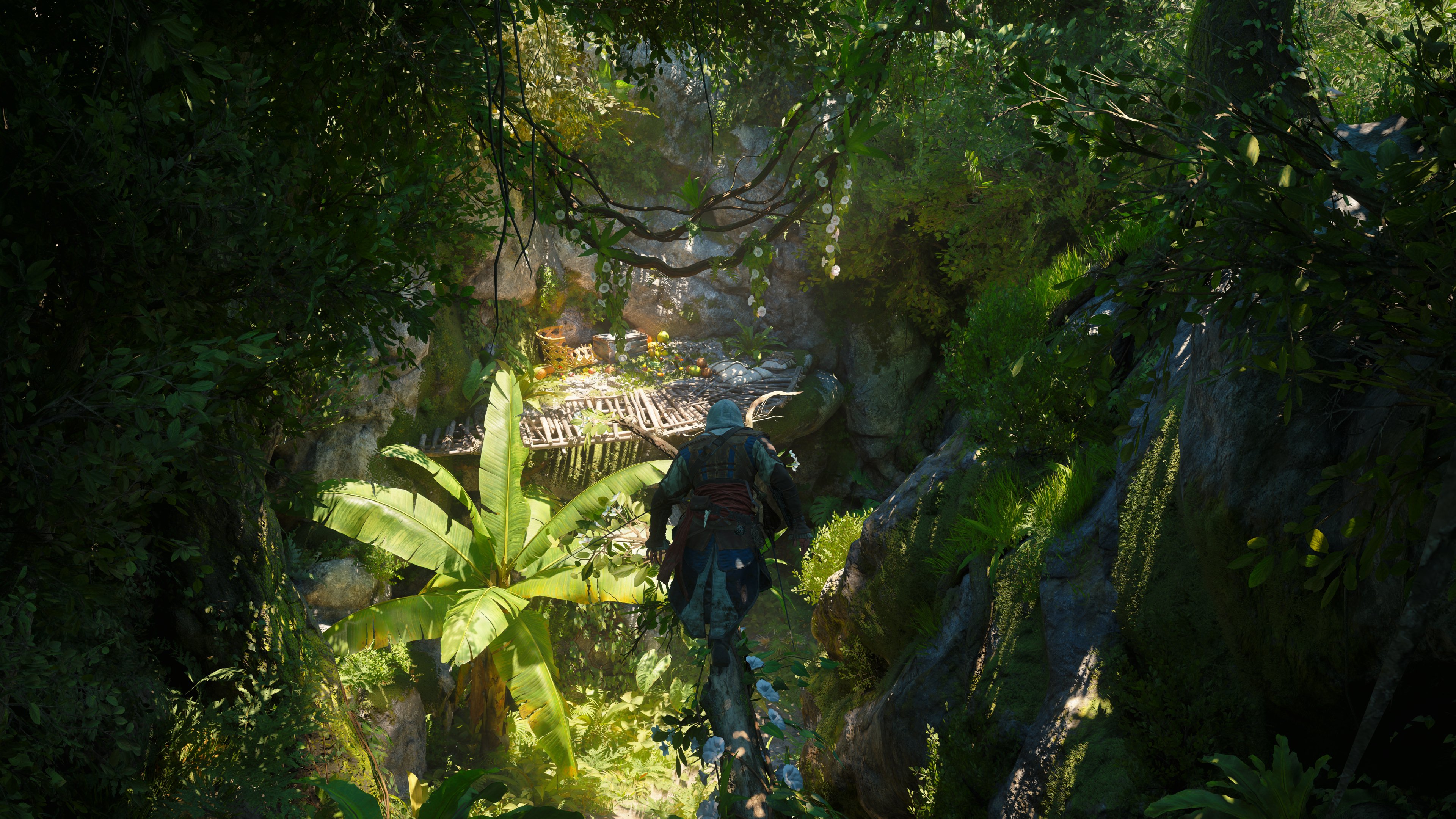
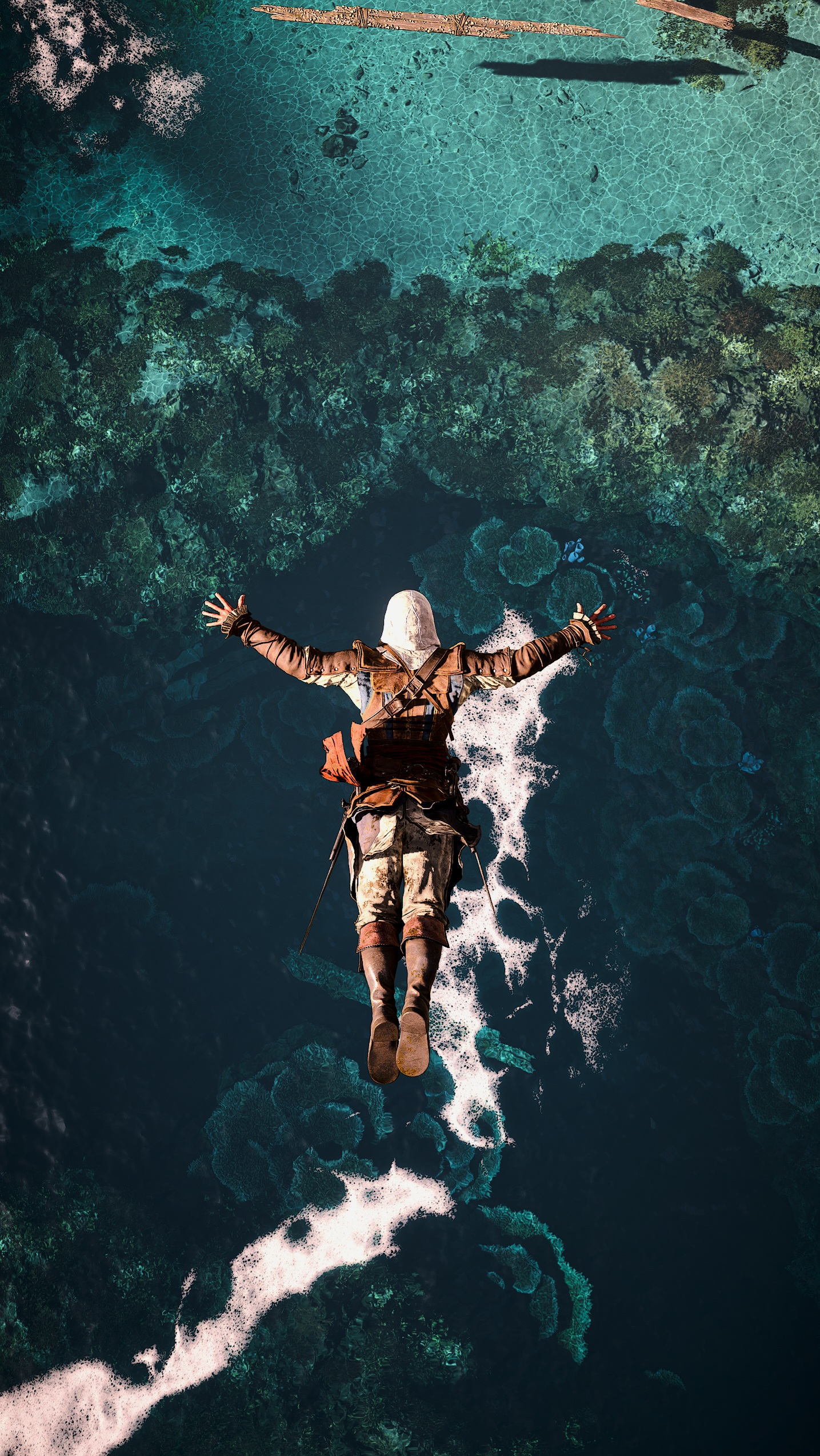
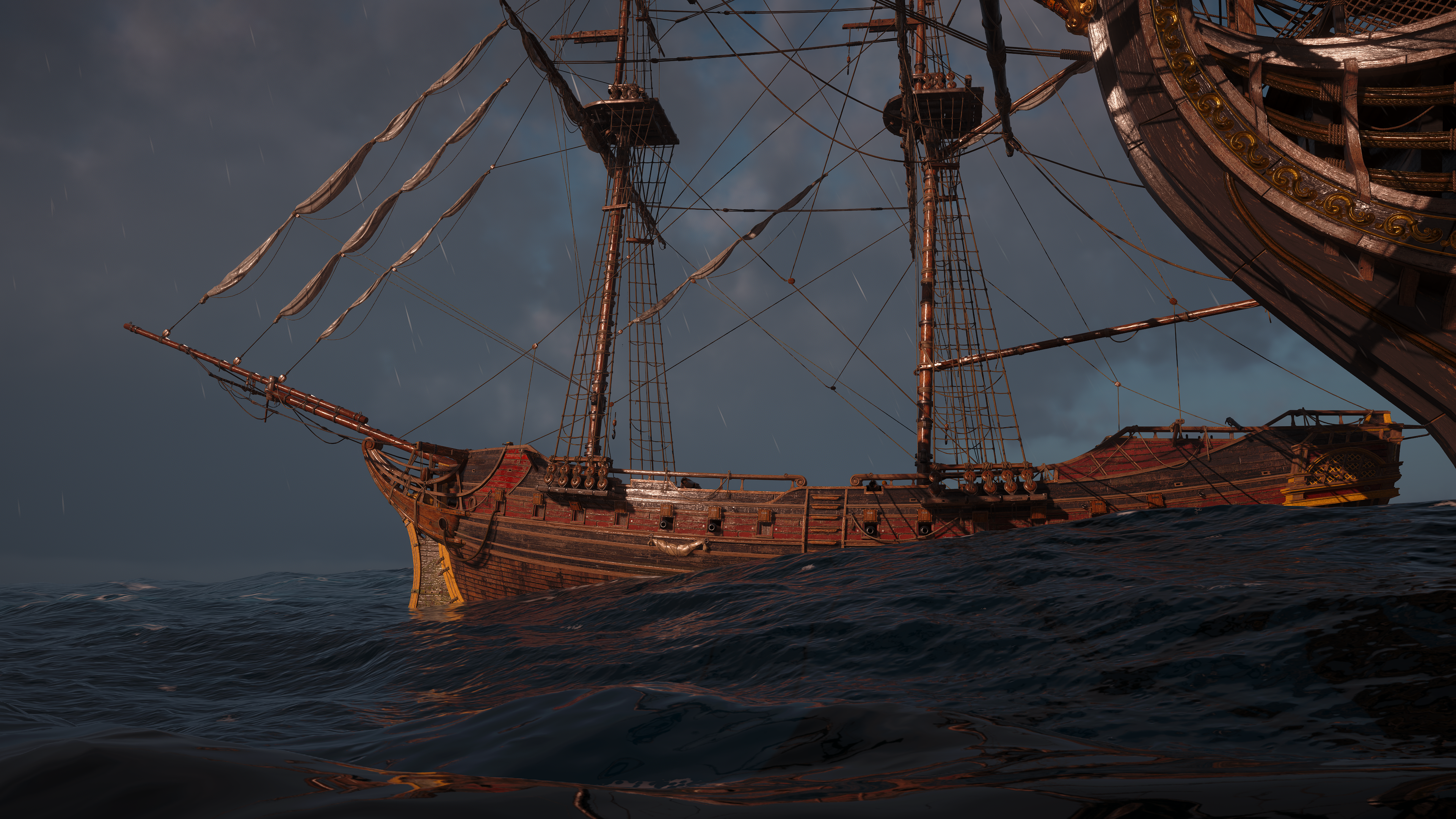
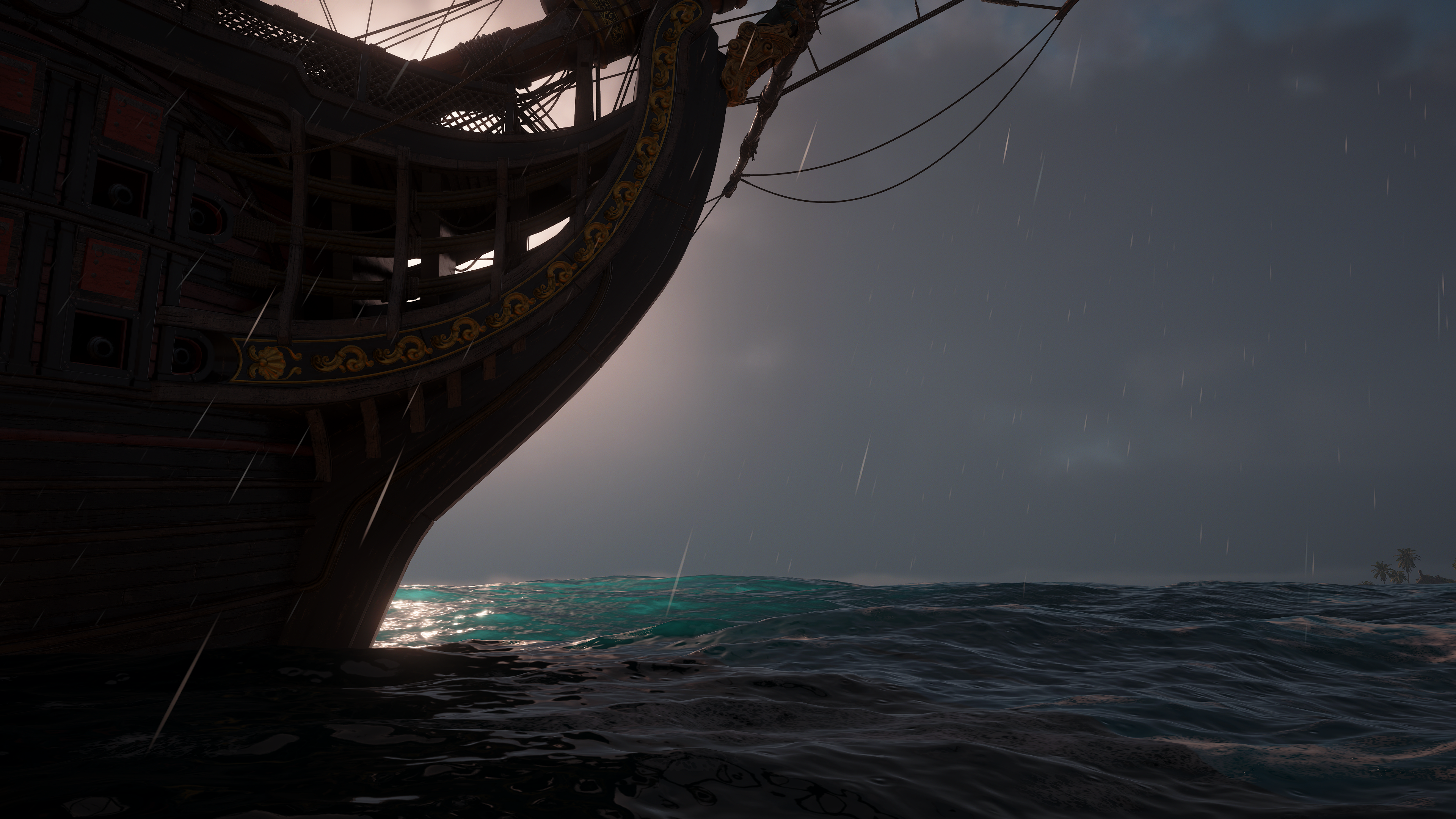
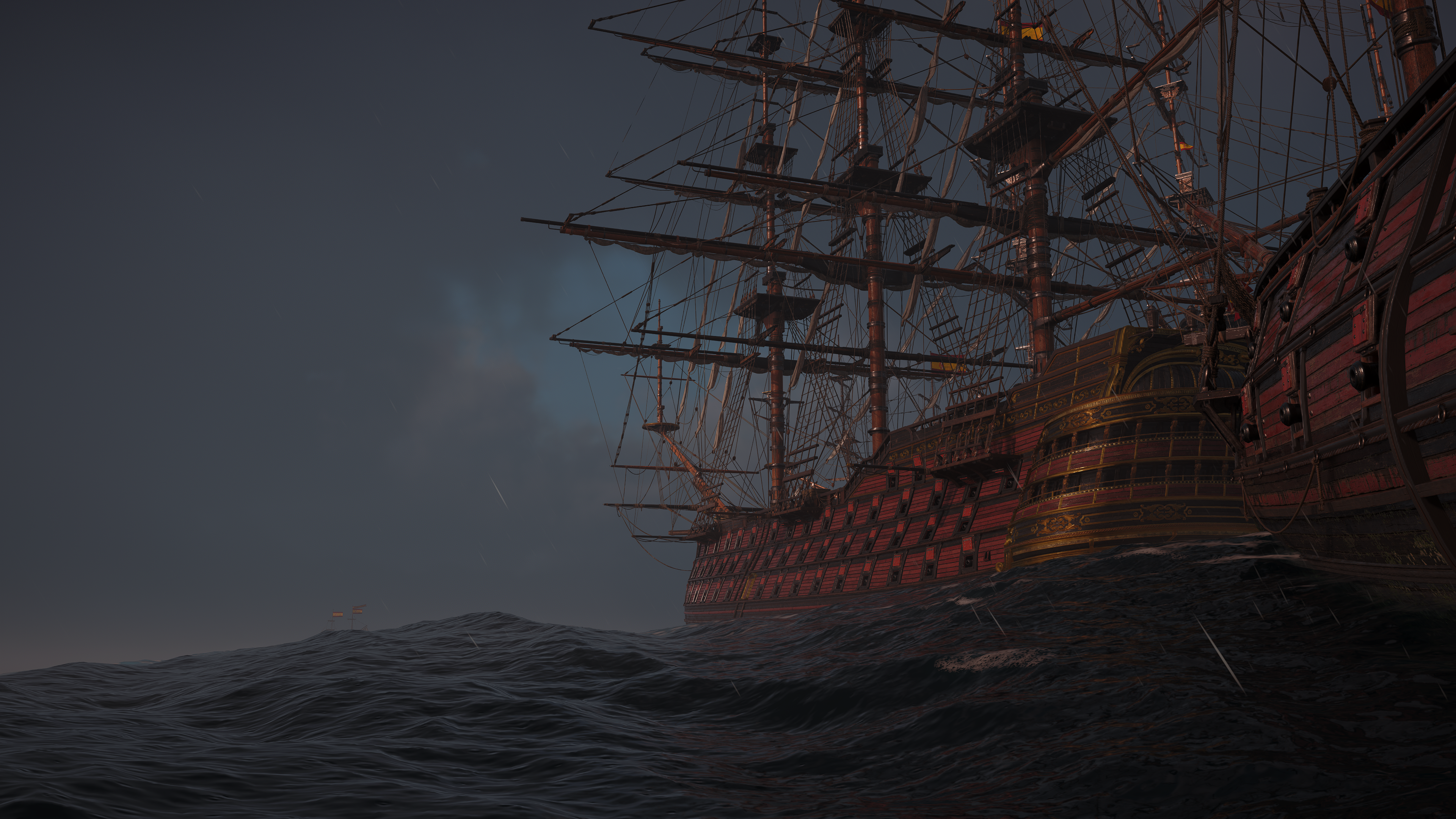
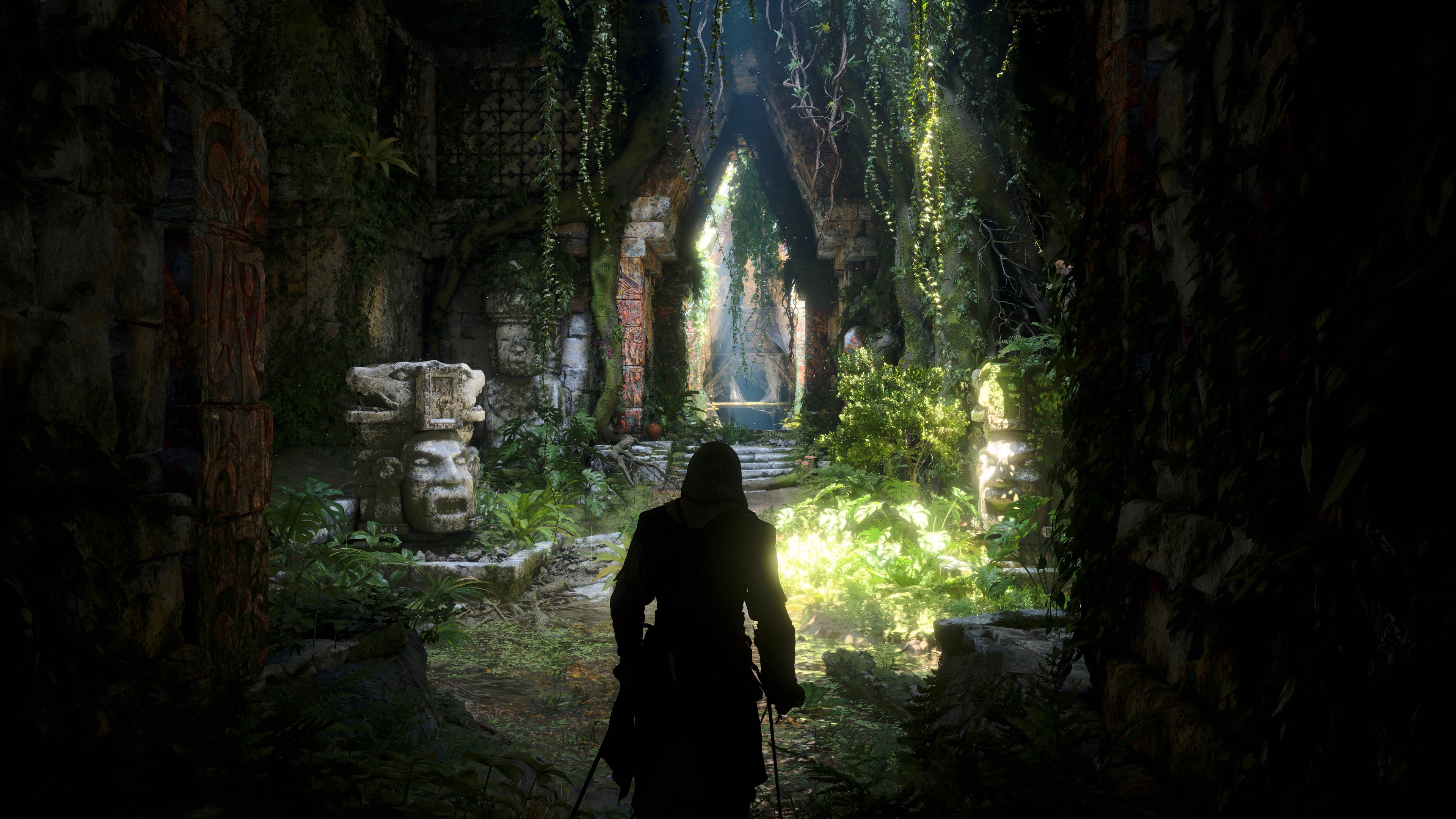
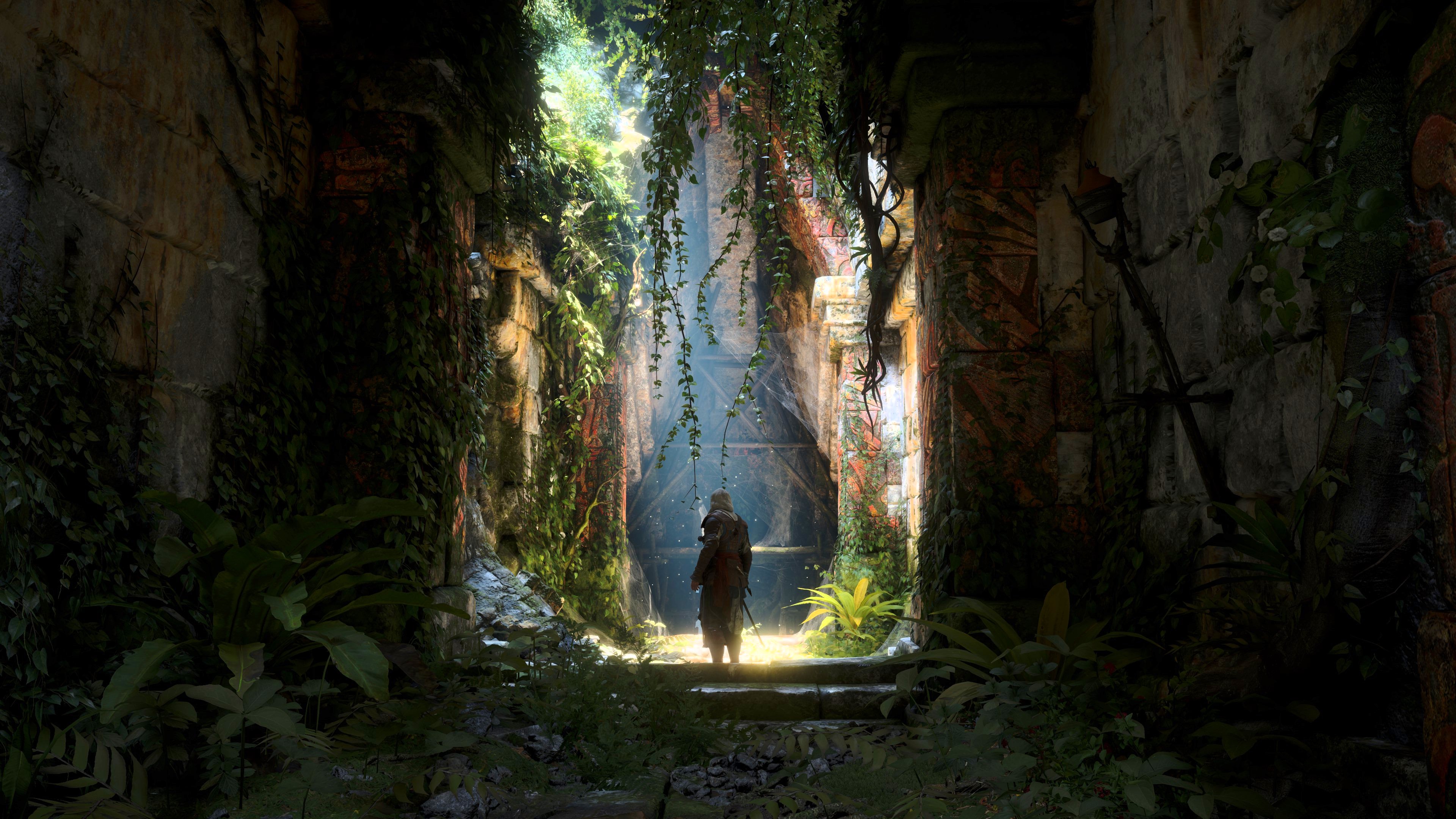
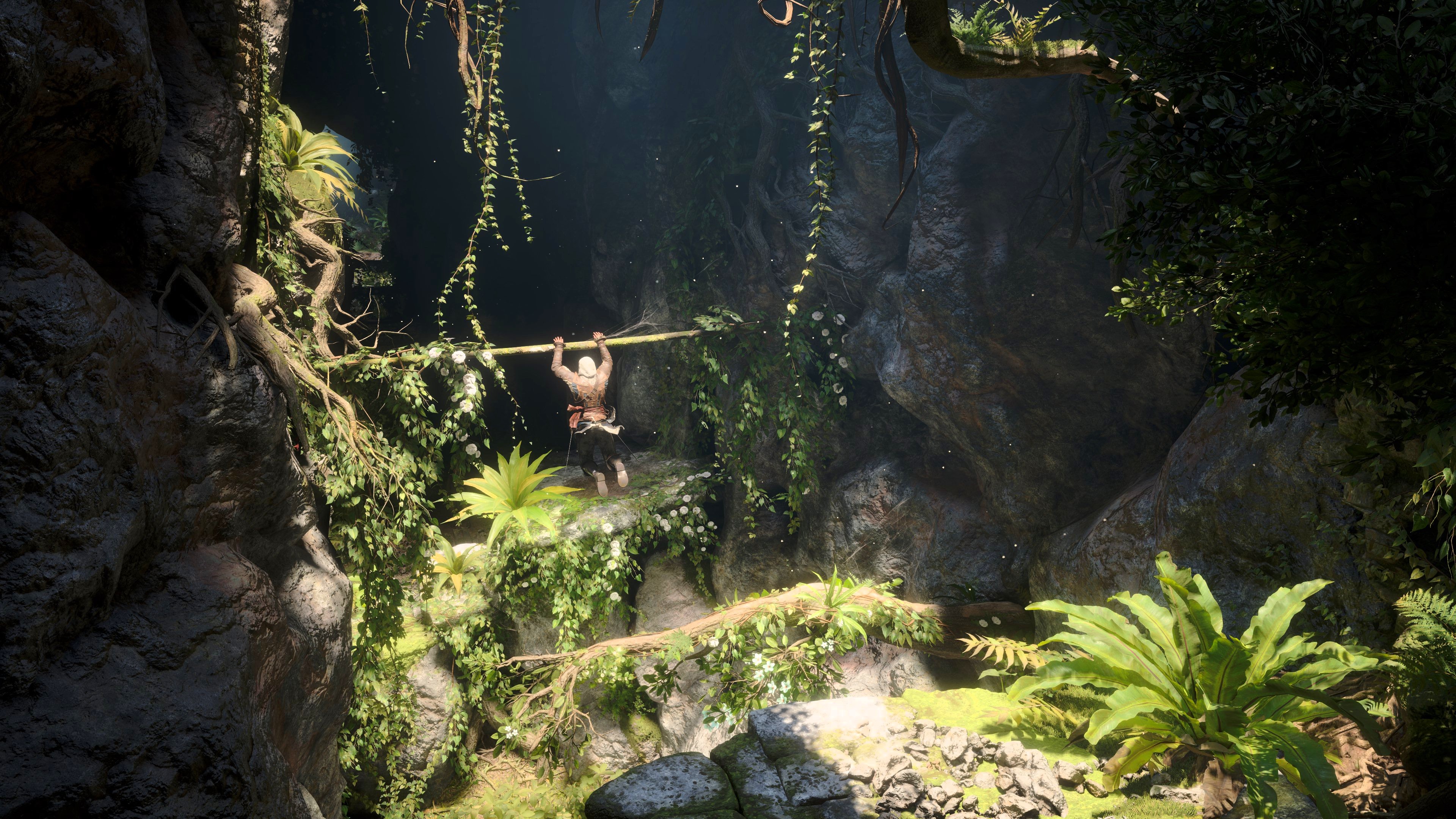
But if the game is designed with the new lighting transport in mind from the get go, like black flag resync, none of these are issues. A dynamic, adaptable system will objectively provide better, more varied artistic results, as long as technical challenges, such as noise and performance are within control. Don't like the lighting? Change the lights. Throw in fake lights, add fake reflectors, rim lights, color grading or other post processing, remove select assets from the BVH altogether etc. whatever art direction wants. Nothing is stopping them. In fact, the more dynamic the system, the
fewer the limitations. It's not some runaway train that you can't control.
Like I said, there is no magic you can do in baked lighting that you can't also do with RT/PT. You could even make a painterly or anime looking game with PT. All the technique provides is
more lighting/shadowing data at higher granularity for each frame. You could take that data and flatten it completely before the shading stage, or run shader code to modify it as needed. Set a threshold to turn all shadows green, or disable them for certain materials, or turn them to circular blobs like good ol' games. Photorealism doesn't have to be the only goal of PT. All that is up to the dev. It could be overkill for some games if the artstyle doesn't require such accuracy, but it is never inferior.
It's like having a supercomputer to do math problems. We could still ask it to do 1+1 and expect the same result from it as our fingers.